

 Medically Reviewed
Female Reproductive Health
How PMDD Gets Misdiagnosed as Bipolar or BPD
Similar symptoms between PMDD, bipolar disorder, and borderline personality disorder prove to be a challenge, but there is clarity when you can track them.
Sep 27, 2024
•6 min read
Share Article

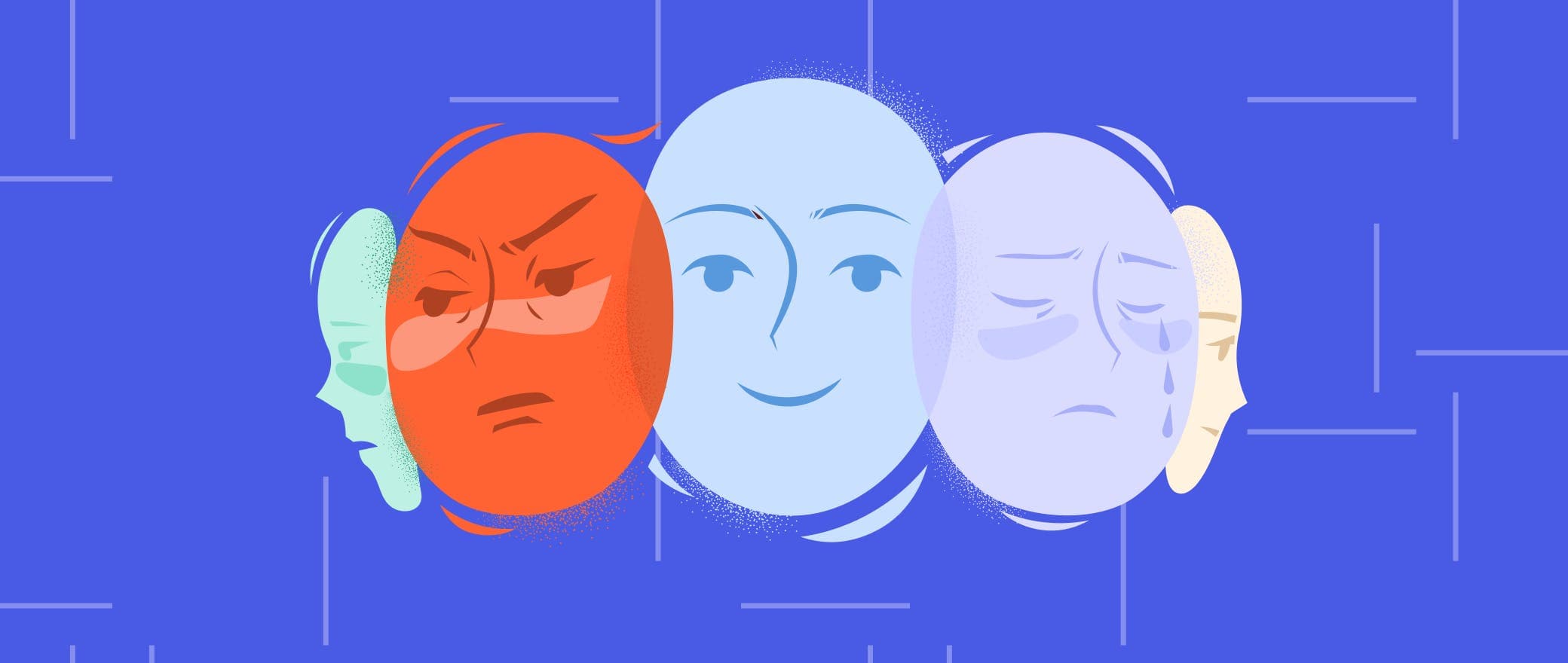
‘That time of the month’ brings a host of unpleasant emotions—sadness, an increased appetite, mood swings, brain fog, and anxiety, to name a few.
Commonly known as Premenstrual Syndrome (PMS), these symptoms appear a week before and usually subside once you start your period. But for some, PMS morphs into a more severe form called Premenstrual Dysmorphic Disorder (PMDD).
What is PMDD?
PMDD is marked by intense mood disturbances and physical symptoms like aches and breast tenderness. The symptoms are so acute that they interfere with daily life till the onset of the period. PMDD often gets misdiagnosed as a mental health disorder since the emotional symptoms are far more severe than PMS.
What causes a Premenstrual Dysmorphic Disorder (PMDD) misdiagnosis?
The defining feature of PMDD is the intensity of symptoms, particularly those related to your emotional health. Someone experiencing PMS may feel sad. But for someone with PMDD, the sadness turns into hopelessness coupled with persistent suicidal thoughts.
Research shows that this happens due to the heightened sensitivity to reproductive hormones before your period begins. The hormones trigger changes in brain chemicals and neurological pathways responsible for mood management. It has also been found that those with PMDD have alterations in their genes responsible for controlling these hormones. This is precisely what leads to a potential misdiagnosis.
Bipolar disorder and borderline personality disorder have a few overlapping symptoms, such as mood swings, heightened emotional reactions, suicidal thoughts/behaviour, etc.
When these symptoms are reported but no enquiry is made regarding the timing of the symptoms, it can result in PMDD being misdiagnosed as a mood or personality disorder such as bipolar or BPD. Mental health research's gender-neutral or biased nature sees BPD affecting women more, while hormonal stereotypes may predispose women to a BD diagnosis.
BD and BPD are not associated with the menstrual cycle. The symptoms may appear without a predictable pattern. But in the case of PMDD, the symptoms show up during a particular phase of the cycle and impact your daily functioning for that duration.
PMDD is marked by intense mood disturbances and physical symptoms like aches and breast tenderness.
Key differences between BPD and PMDD
Although both conditions involve significant mood changes, Borderline Personality Disorder and Premenstrual Dysphoric Disorder differ notably in their timing, causes, and overall symptom patterns.
- Timing and pattern of symptoms
In BPD, emotional shifts can occur at any time and are often rapid, intense, and reactive to interpersonal situations or perceived rejection. These fluctuations are not tied to a specific biological cycle. In contrast, PMDD symptoms appear only during the luteal phase of the menstrual cycle, typically one to two weeks before menstruation, and usually subside shortly after the period begins.
- Type of mood changes
BPD is characterised by heightened emotional sensitivity, sudden mood swings, fear of abandonment, impulsivity, and difficulty regulating emotions. PMDD, however, is characterised by severe irritability, emotional sensitivity, anxiety, and low mood, all specifically tied to hormonal fluctuations in the menstrual cycle.
- Causes and triggers
BPD is generally linked to a combination of genetic vulnerability, early life experiences (such as trauma or unstable relationships), and differences in brain function related to emotion regulation. These symptoms occur independently of the menstrual cycle. PMDD, on the other hand, is triggered by the body’s response to normal hormonal changes, particularly sensitivity to shifts in oestrogen and progesterone.
- Duration of mood episodes
Mood shifts in BPD can be intense but often short-lived, lasting from a few hours to a day, depending on triggers or emotional stressors. However, the overall pattern of instability is persistent and chronic. PMDD symptoms are much shorter-lived, occurring only in the premenstrual phase and easing within a few days once menstruation begins.
- Impact on daily functioning
BPD can cause long-term difficulties in daily life, often affecting relationships, work, self-image, and emotional stability. PMDD also significantly impacts daily life, but the impairment is temporary, occurring only during specific weeks of the menstrual cycle, with functioning returning to normal afterwards.
- Diagnosis process
Diagnosing BPD involves assessing long-term patterns of behaviour, emotional regulation, relationships, and self-perception through a comprehensive psychiatric evaluation. PMDD diagnosis requires tracking symptoms of menstrual cycles to confirm that the distress follows a consistent, cyclical pattern.
The causes of bipolar disorder are generally linked to genetics, neurochemical imbalances, and environmental influences.
Can there be a dual diagnosis?
BD and BPD can co-exist. Research shows that while BD and BPD are distinct disorders, a fair share of patients receive a dual diagnosis. Menstruators with these disorders/other mood disorders may also experience exacerbated symptoms before their period. This is known as Premenstrual Exacerbation (PME).
What’s it like to have both BPD and PMDD?
Living with both BPD and PMDD can feel like navigating two intense emotional forces that often collide and amplify one another. BPD brings chronic sensitivity, intense emotions, and relationship difficulties, while PMDD adds a predictable surge of severe premenstrual mood symptoms.
During the PMDD phase, the 1–2 weeks before menstruation, a person with BPD may experience their usual challenges in a heightened form. Irritability can spike, sadness may deepen, and feelings of rejection or abandonment can become more overwhelming, leading to a temporary dip in emotional resilience.
These shifts can affect relationships too, making a person more reactive, sensitive to conflict, or withdrawn out of fear of causing harm. The changes can feel confusing both for the individual and those around them, especially as symptoms intensify in a short space of time.
Physical symptoms like exhaustion, brain fog, and heaviness can also make coping harder. Combined with BPD’s already high emotional load, this can create a sense of being mentally overloaded. Symptoms typically ease once menstruation begins, but the distress during the premenstrual phase remains very real.
One of the biggest challenges is distinguishing between the two conditions. BPD fluctuates daily, while PMDD follows a cyclical pattern, creating emotional waves that can be hard to separate and sometimes delay accurate diagnosis.
How to receive a correct diagnosis for PMDD?
To be diagnosed with PMDD, you must:
1. Experience at least one or more of the following symptoms related to your mood:
- Heightened irritability or anger
- Intense feelings of sadness or depression
- Overwhelming anxiety or stress
2. Experience at least one of the following symptoms related to your overall health:
- Having trouble concentrating on a task
- Persistent fatigue and low energy levels
- Engaging in binge eating or experiencing specific food cravings
- Disruptions in sleep patterns, such as excessive sleeping or difficulty falling asleep
- Feeling overwhelmed or out of control
- Uncomfortable physical symptoms, such as breast tenderness, bloating, body aches, and weight gain
- Intense mood swings or becoming suddenly tearful for no apparent reason
3. Notice these symptoms only in the week or two before you get your period
Observe an improvement in the symptoms once you get your period, and note their absence in the postmenstrual weeks. To make a diagnosis, the doctor may also ask you to keep track of your symptoms. If any of the symptoms are present outside the two weeks before your period, it may indicate a mood disorder but not PMDD. Ideally, track your symptoms for at least two menstrual cycles for accuracy.
Research shows that while BD and BPD are distinct disorders, a fair share of patients receive a dual diagnosis.
The final takeaway
PMDD is often misdiagnosed as Bipolar Disorder or Borderline Personality Disorder because its intense mood symptoms can resemble mood swings, emotional reactivity, and irritability seen in these conditions. Without careful tracking of the menstrual cycle, these cyclical mood changes may appear random, leading to incorrect diagnoses. Recognising the hormonal pattern behind PMDD is key to ensuring individuals receive the right treatment and avoid unnecessary stigma or ineffective interventions.
Frequently Asked Questions
1. Why is PMDD often mistaken for Bipolar Disorder?
Both conditions involve severe mood changes, but PMDD’s symptoms are cyclical and linked to the menstrual cycle, whereas Bipolar episodes are longer and not hormone-driven.
2. How can PMDD be confused with Borderline Personality Disorder?
Both conditions involve emotional sensitivity and sudden mood shifts, but PMDD follows a predictable monthly pattern, while BPD symptoms are ongoing and triggered by interpersonal stress.
3. Can someone have PMDD alongside Bipolar Disorder or BPD?
Yes. PMDD can co-exist with other mood or personality disorders, and in these cases, symptoms often intensify premenstrually due to hormonal sensitivity.
Sources:
Share Article


