

 Medically Reviewed
Longevity
Omega-3s and Ageing: How Good Fats Support Brain and Heart Health
Dec 23, 2025
•7 min read
Share Article

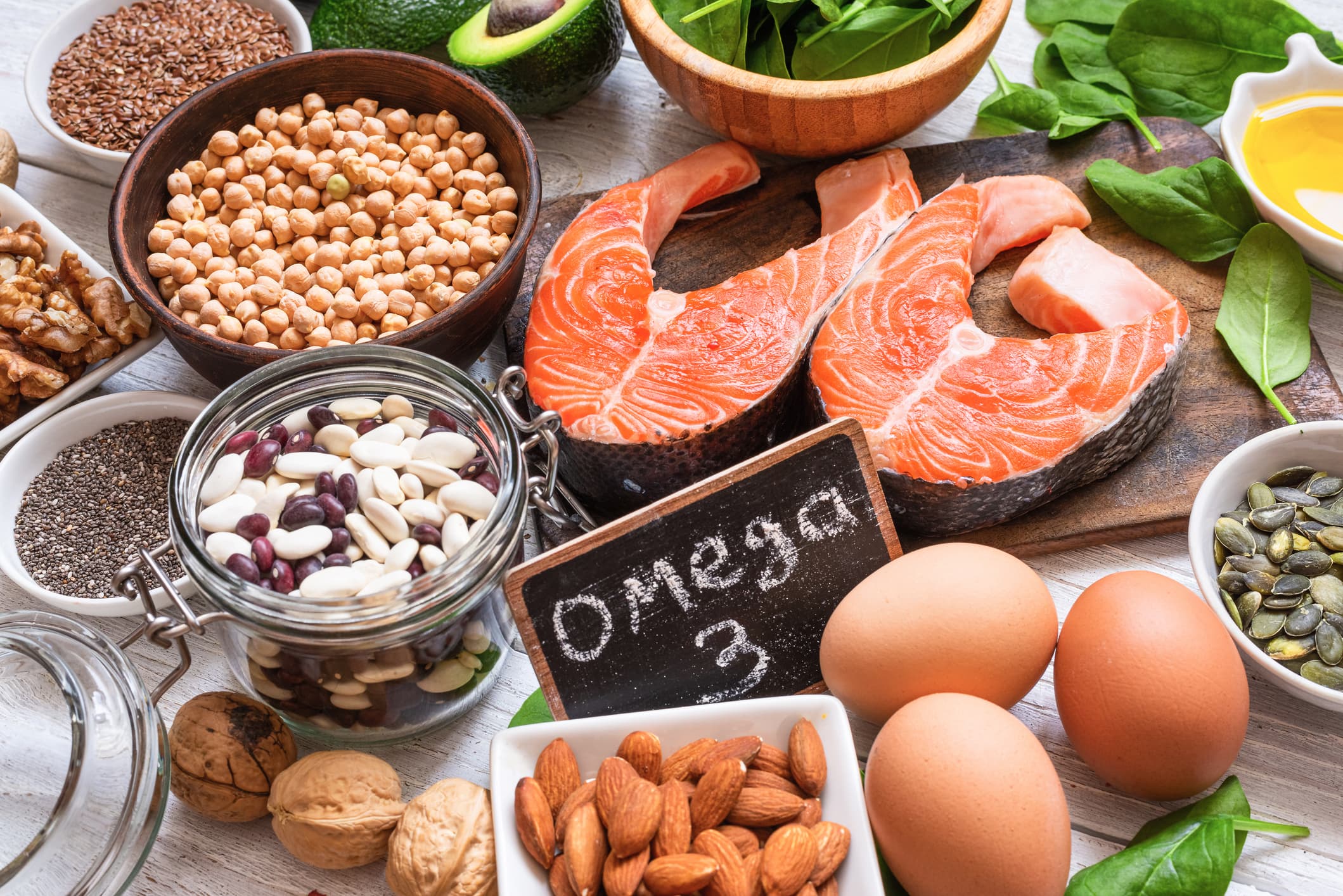
Healthy ageing depends on several lifestyle-related decisions, including the food that individuals consume daily. However, one of the many nutrients that can be singled out as having benefits in the long-term well-being is omega-3 fatty acids, which have been known to be beneficial to the heart, the brain and overall well-being in the years. Such fatty acids also may contribute to the stability of cognition and emotion, along with the maintenance of cardiovascular functioning in an ageing person.
Current research is being done to explore the use of omega-3 fatty acids in reducing age-related degeneration, improving memory responses and healthier inflammatory responses. In older adults, ageing and omega-3 attention can significantly benefit an individual in terms of remaining active, intellectually alert and physically strong.
Understanding the role of omega-3s in healthy ageing
Omega-3 fatty acids are the required fats that cannot be produced by the body itself. With that said, it is possible to obtain them with the help of food rich in nutrients. They are structural components of cell membranes and are especially abundant in respective tissues as the heart and brain.
These fats also play the role of controlling inflammation, which is a normal body process that is likely to deteriorate as individuals age. Excessive or delayed inflammation has been linked to age-related changes in health, including reduced mobility, cognitive and cardiovascular disease.
Some reports also indicate that omega-3 and ageing are further related. They preserve membrane activity, facilitating cell-to-cell communication, as well as boosting the natural inflammatory response of the body. To elderly individuals, such benefits may be involved in maintaining daily activity, mood, and vitality, and thus omega 3 benefits of seniors is a scientific issue of much interest.
Omega-3 fatty acids are the required or good fats that cannot be produced by the body itself.
Omega-3s and brain health
Ageing usually involves a decline in memory, attention, and processing speed. Omega-3 fatty acids are vital to the brain, contributing to neural plasticity and cell-cell communication. The studies have indicated that higher levels of some omega-3 fatty acids are associated with better cognitive function among older adults. In one of the studies, better brain structure preservation was observed in adults with higher fatty acid concentrations with age.
Recent reviews indicate that omega-3s provide modest and inconsistent cognitive benefits in older adults. Their effects vary with dose, duration, and baseline cognitive function, and several large trials show no clear advantage, suggesting omega-3s are best considered a supportive rather than primary intervention.
These fatty acids also seem to be an aid to emotional well-being. Certain studies indicate that healthy eating habits that are high in omega-3 can be associated with a steadier mood and fewer fluctuations in mood with age, though this can be different in different people. Cognitive and emotional resilience gains greater significance with age as people vie to live a better life, thus leading to better memory and increased confidence in their day-to-day duties. Because of its DHA it is important for fetal brain and eye development.
Omega-3s and heart health
Natural age changes affect the heart, and they include stiffening of blood vessels and a change in cardiovascular effectiveness. Omega-3 fatty acids have long been known to support heart health, specifically by promoting healthy circulation and balanced inflammatory responses. According to studies, omega-3 fatty acids assist in maintaining a normal heart rate and healthy blood vessels.
The consumption of fats in food has been seen to lead to decreased chances of heart failure that comes with old age. Enhanced cardiovascular comfort, improved blood circulation, and increased vessel elasticity are some benefits that may be experienced by older people who are mindful of omega-3 intake. These advantages make the omega-3 benefits for elderly individuals a valuable consideration in long-term wellness planning. Because of its EPA it helps in reducing inflammation and supports heart health.
Omega-3s help maintain the elasticity of cell membranes, which aids nutrient exchange.
How Omega-3s Influence Ageing
Many factors are involved in ageing, and some of them are cellular health, oxidative balance, and inflammatory processes of the body. Some of these factors may be modulated by omega-3 fatty acids. They have been linked with:
- Cell membrane integrity: Omega-3s help maintain the elasticity of cell membranes, which aids nutrient exchange.
- Inflammatory balance: These fats also aid in balancing inflammation, which naturally increases with age.
- Cognitive preservation: Backed by studies that associate omega-3s with healthier ageing of the brain.
- Heart activity: By allowing vascular and circulatory wellness.
Researchers have also investigated the question of whether omega-3 levels affect biological ageing markers. Other observational studies indicate a relationship between omega-3 intake and slower deterioration of protective structures in DNA called telomeres. More studies are necessary, but evidence suggests the potential for long-term effects on cellular ageing.
Meta-analyses and clinical trials suggest a modest link between higher omega-3 intake or levels and longer leukocyte telomere length, or slower telomere shortening, in certain cohorts. However, results are inconsistent, and larger randomized trials are needed before any definitive anti-ageing claims can be made.
Best sources of omega-3s
Different foods contain omega-3 fatty acids. These sources provide a healthy base of nutritional supply to those individuals who are older and want to maintain the functioning of their heart and brain with the help of their diets. Foods rich in omega-3 include:
- Fatty fish (e.g., salmon, mackerel, sardines)
- Certain seeds (e.g., flaxseeds, chia seeds)
- Certain nuts (e.g., walnuts)
- Oils of seeds containing omega-3 (e.g., flaxseed oil, chia seed oil)
- Algae-based ingredients (e.g., seaweed, spirulina)
Eating a diversity of these foods would be useful in guaranteeing sufficient consumption. Others might prefer vegetarian sources, whereas others will add marine sources to their diet to have a wider nutrient base. Foods such as these should be included as part of balanced meals in a practical, day-to-day effort to promote long-term health.
In older adults, main meals and snacks can be topped with foods naturally rich in omega-3, which can be used to keep the levels acceptable. For eg: fruit plate topped with mixed seeds or adding seeds in smoothie or in ladoo, etc.
Recommended intake for seniors
The amount of omega-3 to be taken varies modestly depending on certain health guidelines, but most of the health authorities of the population recommend the incorporation of foods rich in these fatty acids in the diet as part of a balanced diet. Several studies encourage the inclusion of marine-based meal options in weekly plans to support both brain and heart function, highlighting the relationship between omega-3 and ageing.
In older adults, main meals and snacks can be topped with foods naturally rich in omega-3, which can be used to keep the levels acceptable. Since personal needs might differ depending on the diet, physical health, and personal life, elderly people can find it beneficial to consult a medical expert regarding their diet, particularly in case they have certain doubts or want to receive individual instructions. This can further support the omega-3 benefits for seniors in promoting long-term well-being.
Signs you may be low in omega-3s
Although omega-3 fatty acids are not produced by the body, in the long term, a deficiency of this nutrient in the diet can manifest itself. Potential signs of inadequate intake of omega-3 may include:
- Dry skin
- Discomfort in joints
- Reduced concentration
- Mood fluctuations
- Fatigue
- Reduced cardiovascular discomfort
There are various reasons that these signs may occur, and not necessarily because of the intake of omega-3. However, regular eating habits that are highly rich in foods that contain omega-3 can alleviate some of these fears and contribute to improving overall health during ageing.
Ageing better with omega-3s
The beneficial effects of omega-3 fatty acids are on healthy ageing of the body, particularly the brain and heart. When people age, proper consumption of foods rich in omega-3 may help in upholding mental acuity, heart health, and overall fitness. As we have indications that omega-3s can be correlated with lowered age-associated deterioration, they continue to be an attribute of a balanced diet for older adults who want to stay energetic, self-contained, and emotionally healthy.
An inquiry into the omega-3 benefits of seniors and a dietary intake of food sources that contain omega-3, which are inherently found in nature, could help in ensuring a healthier long-term ageing process.
Frequently Asked Questions
1. Why are omega-3s important in the elderly?
The omega-3 fatty acids are known to assist in sustaining the functioning of the brain, cardiovascular, and inflammatory balance, which is even more pronounced with age.
2. Do omega-3s aid memory in older persons?
Studies indicate that a diet rich in omega-3 will be linked with better cognitive impairment and a healthy brain structure among older adults, potentially aiding in memory and attention.
3. How can seniors include more omega-3s in their diet?
The elderly would increase their intake of omega-3 by including fatty fish, some seeds, plant oils, and nuts in their meals.
Share Article