

 Clinically Reviewed
Longevity
Telomeres and Ageing: How Cellular Timekeepers Shape Longevity
Jan 9, 2026
•6 min read
Share Article

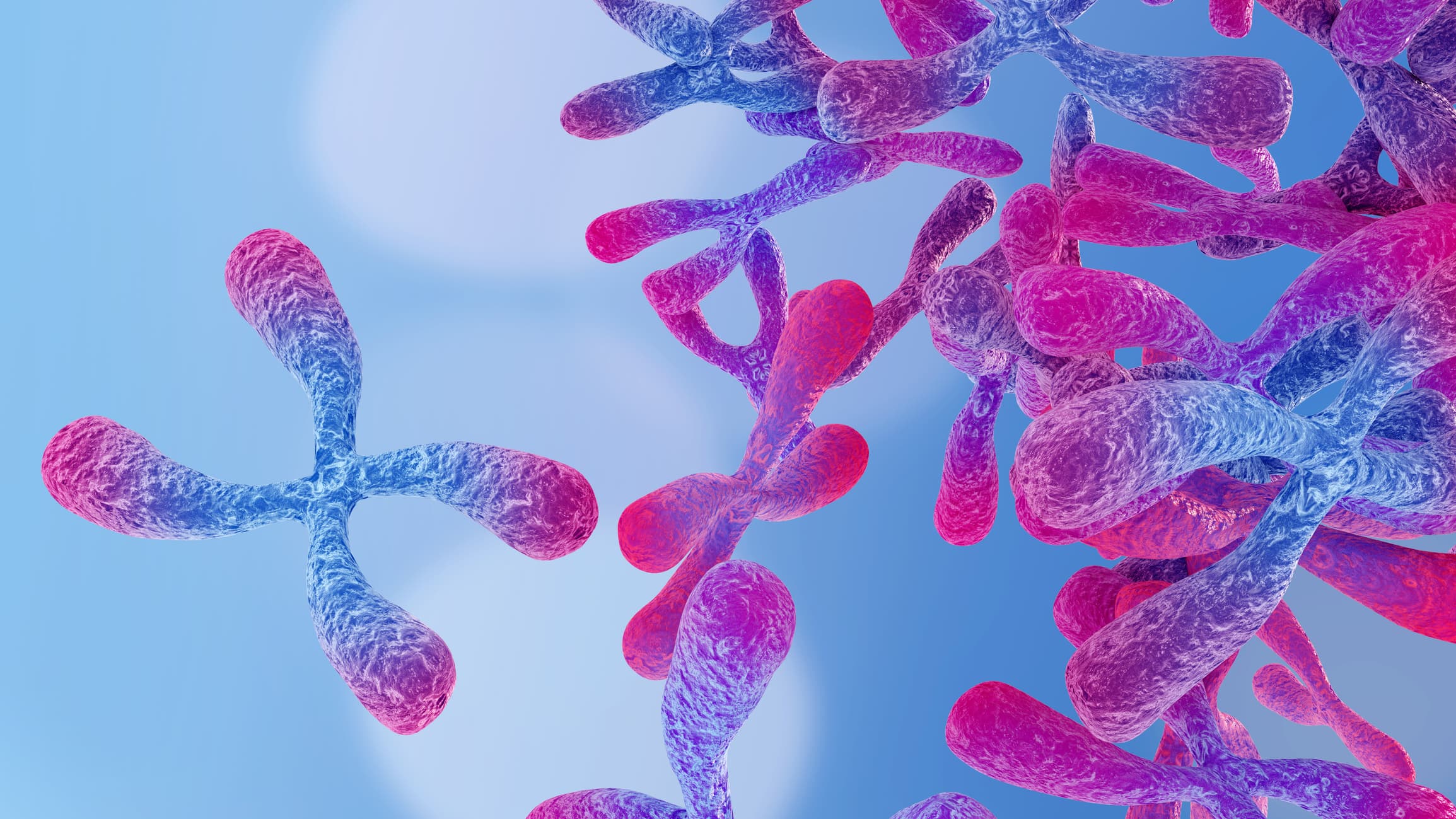
The secret to the lifespan of a human body lies within each and every cell. The telomeres, or the ends of the chromosome, play the role of a protective cap, as the genetic material would not be damaged during cell division. With time, these telomeres shorten, and the progression of this loss has been recognised as a reliable age indicator.
Scientists now know that telomeres and ageing are closely related. Once the telomeres are too short, the cells are no longer able to divide efficiently, resulting in cellular senescence, the slow death of cells. The factors that contribute to the speed of this process include lifestyle decisions, environmental pressures, and genetic factors. Telomere health implications offer crucial information regarding longevity and its natural and sustainable support.
What are telomeres and why do they matter?
Telomeres are repetitive DNA sequences found at the ends of chromosomes. They perform the role of protection that shields the genetic code in the process of cell reproduction. Telomeres get shorter every time a cell splits, which restricts the ability of a cell to multiply.
Telomerase is an enzyme that can partially restore telomere length in certain cells. While normal adult somatic cells have low telomerase activity, lifestyle factors such as regular exercise, stress reduction, and plant-based diets have been shown to modestly enhance its activity, helping maintain telomere length.
This occurs as a biological clock, whereby the number of divisions of the cell is counted until a time when the cell is no longer able to divide. When this limit is attained, the cell dies or undergoes a dormant state referred to as senescence.
Good telomeres are required to maintain genomic stability and cell renewal. In their absence, chromosomes would either fuse or degrade, causing genetic instability, tissue deterioration, and premature ageing.
Telomeres are repetitive DNA sequences found at the ends of chromosomes.
Telomere shortening: The cellular clock of ageing
Telomere shortening is a normal process that can be accelerated by external and internal stressors. The telomeres shorten each time a cell divides, because the DNA replication complexes cannot replicate all chromosome end. This is called the end-replication problem.
In the long run, the net effect of the lengthening of telomeres is a slower rate of tissue regeneration, impaired immune performance, and ageing. This process is often referred to as the ageing telomere shortening effect.
Telomeres can also be eroded through environmental and psychological stress. It has been proven by scientists that people who are exposed to stress or poor lifestyle choices have shorter telomeres as compared to those who lead a balanced life.
What causes telomere damage and shortening?
A number of biological and lifestyle factors contribute to telomere degradation. Some of the greatest causes are:
- Oxidative stress: Metabolically produced or environmental toxin-produced free radicals destroy DNA, including telomeric regions.
- Inflammation: Chronic inflammation causes cellular stress and mediates telomere attrition.
- Unhealthy lifestyle habits: An unhealthy lifestyle, such as an unhealthy diet, lack of exercise, and disturbed sleep patterns, can be a contributory factor to accelerated shortening of telomeres.
- Psychological stress: Prolonged experience of emotional stress can initiate hormone reactions that cause cells to age faster.
People who are exposed to stress or poor lifestyle choices have shorter telomeres as compared to those who lead a balanced life.
Telomere health and longevity: What science shows
It has been shown that there is a close correlation between the health of telomeres and the longevity of an individual. It has been discovered that people who have longer telomeres tend to be more metabolically efficient, have a better developed immune system, and have fewer age-related diseases occur.
The processes involve maintaining the cells. Long telomeres support active DNA repair, efficient protein synthesis, and stable chromosomal structure. On the contrary, extremely short telomeres trigger pathological dysfunction in the cell and favour inflammation - a major biological ageing agent.
New data has hinted at the possibility that telomere length preservation has the potential to not only slow ageing but also extend healthspan, the number of years one spends in good health, and not just living longer.
How to lengthen telomeres naturally
The positive aspect is that there are habits that can be used to lengthen telomeres naturally or at least artificially more slowly. Scientific studies support the following strategies and aim to promote balanced cellular functioning.
Regular physical activity
Regular moderate exercise improves the efficiency of mitochondria, the mitochondrial oxidative injury, and maintains their length. People who are habitual movers exhibit longer telomeres than their non-movers.
Balanced nutrition
Antioxidant, healthy fats, and micronutrient-dense whole foods can help prevent oxidative stress and support telomere length. The diet is rich in nutrients which help in promoting the stability of DNA and the regeneration of cells.
Adequate sleep
Sleeping well enables cells to repair and re-establish hormonal balance, which indirectly slows down telomere erosion.
Environmental mindfulness
Restricting air pollution, toxins, and UV radiation can play a great role in reducing damage to telomeres due to oxidative stress.
Best foods for telomeres and healthy ageing
Eating is crucial for telomere stability. Vegetarian diets and medications with a high content of antioxidants are always linked to telomeres of longer length and better cellular health.
- Coloured fruits and vegetables: Have substances that neutralise active molecules, which contribute to the slowing of telomere degradation.
- Whole grains and legumes: Maintain a stable metabolism and supply energy without too much oxidative stress.
- Well-saturated fats: They are present in nuts, seeds, and natural oils, and help to keep the cell membranes intact and suppress inflammation.
- Fermented foods: Help maintain digestive balance and nutrient absorption and support cell health indirectly.
- Herbs and spices: A lot of natural plant compounds are antioxidants, as well as anti-inflammatories, and they can help you live longer.
Sleeping well enables cells to repair and reestablish hormonal balance, which indirectly slows down telomere erosion.
Can you reverse telomere shortening?
One of the main questions of longevity research is whether telomere length can be replaced. Existing data indicate that although telomere shortening is irreversible, it can be slowed down and, under certain circumstances, slightly lengthened with the help of lifestyle changes.
Enzymes that stabilise telomeres are supported by positive lifestyle habits, such as proper nutrition, physical exercise, and stress management. Although heredity determines the normal telomere length, the rate or speed at which the telomere length decreases with age is dependent on environmental elements.
The stress should, therefore, be on prevention and protection. The natural repair systems in the body are realistic and effective in supporting the maintenance of telomere length and longevity, as well as a healthier life.
Protect your telomeres, protect your youth
Telomeres are cellular timekeepers that mark the flow of biological time each time a cell divides. The natural process of ageing is that they become shorter with time, but the decision taken each day can make it either go slowly or faster.
Telomere health can be ensured by living mindfully, including proper nutrition, regular exercise, and sleeping, as well as lowering stress levels, which is a good source of long-term vitality. Although getting old is normal, shortening of telomeres is not pre-determined. Through adopting healthy habits, people are able to preserve their telomeres and, as a consequence, their youth can be preserved internally.
Frequently Asked Questions
1. What are telomeres?
Telomeres are hedges on the ends of the chromosomes that stop the genetic material from unravelling or attaching. They are major biological signs of ageing in cells.
2. What causes telomeres to shorten as we get older?
The telomeres shorten each time a cell divides. With time, this accrual process reduces the capacity of a cell division and leads to the manifestations of ageing.
3. Are lifestyle habits associated with a delay of telomere shortening?
Yes. Eating habits, exercise, sleep, and appropriate coping with stress are all capable of slowing down the telomere shortening and contributing to a long life.
Share Article