

 Medically Reviewed
Pregnancy Health
The Pressure is on — Understanding Preeclampsia Through 4 FAQs
Expectant parents prepare for joy along with challenges. Here, we shine a light on Preeclampsia, offering essential insights for a safe pregnancy journey.
Sep 27, 2024
•6 min read
Share Article

The nursery has been decorated; the pregnancy books have been read from page to page; the Lamaze class hasn’t been missed even once— every expectant parent has a never-ending checklist of things they need to do to prepare for their baby's arrival.
Unfortunately, for 2% to 10% of birthing individuals globally and up to 15% in India, this excitement is overshadowed by concern as they are diagnosed withPreeclampsia. Suddenly, they find themselves navigating a sea of new information, medical terms, and concerns about their health and that of their unborn baby.
We shed light onPreeclampsia, meaning high blood pressure during pregnancy, a common yet complex condition affecting many expectant parents. Ticking off five frequently asked questions about Preeclampsia, we guide birthing people as they navigate their pregnancy, offering insights into managing the health and well-being of both themselves and their babies.
Commonly asked questions about preeclampsia
Preeclampsia, meaninghigh blood pressure during pregnancy, often causes damage to organs like the liver and kidneys. It is known to occur after the 20th week of pregnancy and can pose significant risks if not properly managed.
While rare, Preeclampsia can also develop after childbirth, most commonly within 48 hours but potentially up to 6 weeks post-delivery.
1. What puts you at risk for developing Preeclampsia?
Preeclampsia, meaning high blood pressure during pregnancy, often causes damage to organs like the liver and kidneys.

Preeclampsia causes are not well known, but certain factors may put one more at risk, for example:
First-time pregnancy
Women in their first pregnancy are at a higher risk of developing preeclampsia. This is thought to be related to the body’s first exposure to the placenta and the immune and vascular adaptations required to support pregnancy, which may not function optimally in some women.
Previous history of preeclampsia
Women who have experienced preeclampsia in a previous pregnancy are more likely to develop the condition again. The risk is greater if preeclampsia occurred early in pregnancy or was severe, suggesting an underlying predisposition.
Multiple pregnancy (twins, triplets, or more)
Carrying more than one baby increases the strain on the placenta and the maternal cardiovascular system. This heightened demand can interfere with normal placental development and blood flow, increasing the risk of preeclampsia.
Family history of preeclampsia
A family history of preeclampsia, particularly in a mother or sister, increases risk. This suggests that genetic factors may play a role in susceptibility to the condition.
Obesity
Obesity is a well-established risk factor for preeclampsia. Excess body fat is associated with inflammation, insulin resistance, and abnormal blood vessel function, all of which may contribute to raised blood pressure and placental dysfunction during pregnancy.
Advanced maternal age
Women aged over 35 years have a higher risk of developing preeclampsia. Age-related changes in blood vessels and a higher likelihood of underlying medical conditions may contribute to this increased risk.
Pre-existing medical conditions
Certain long-term health conditions increase the likelihood of preeclampsia. These include chronic high blood pressure, diabetes, kidney disease, and autoimmune disorders such as lupus. These conditions can impair blood vessel health and placental development, making hypertensive disorders of pregnancy more likely.
2. What signs of Preeclampsia should you look out for?
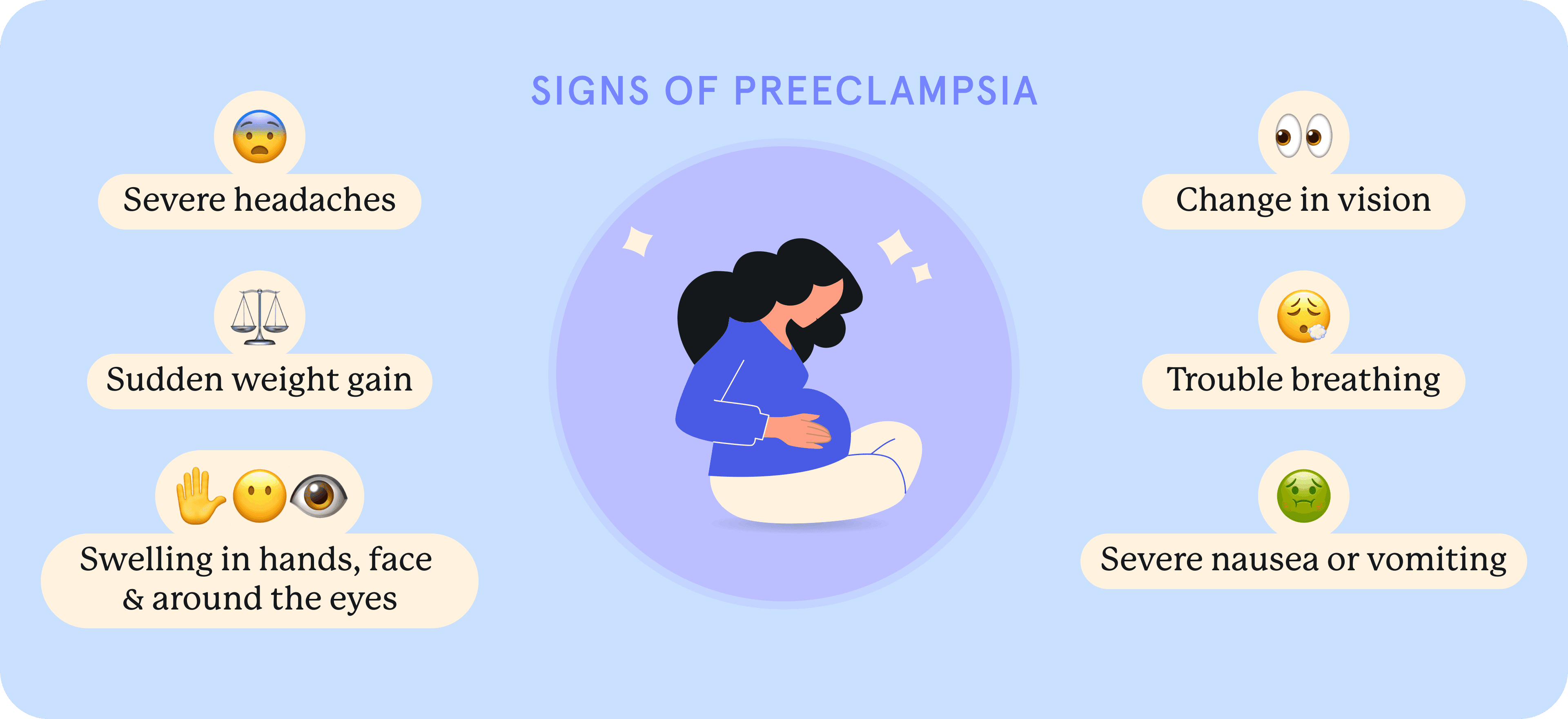
People often don’t notice or recognise preeclampsia symptoms, making regular prenatal check-ups even more important.
Key symptoms include:
- Swelling (hands, face and around the eyes)
- Sudden weight gain over a short period
- Headaches that are severe and persistent
- Vision changes (blurriness, light sensitivity, seeing spots or flashing lights)
- Stomach pain, especially under the ribs on the right side
- Nausea or vomiting in the later stages of pregnancy
- Difficulty breathing or gasping for air
The last is often thepreeclampsia symptom that hits the hardest.
3. What could happen if preeclampsia isn't managed properly?
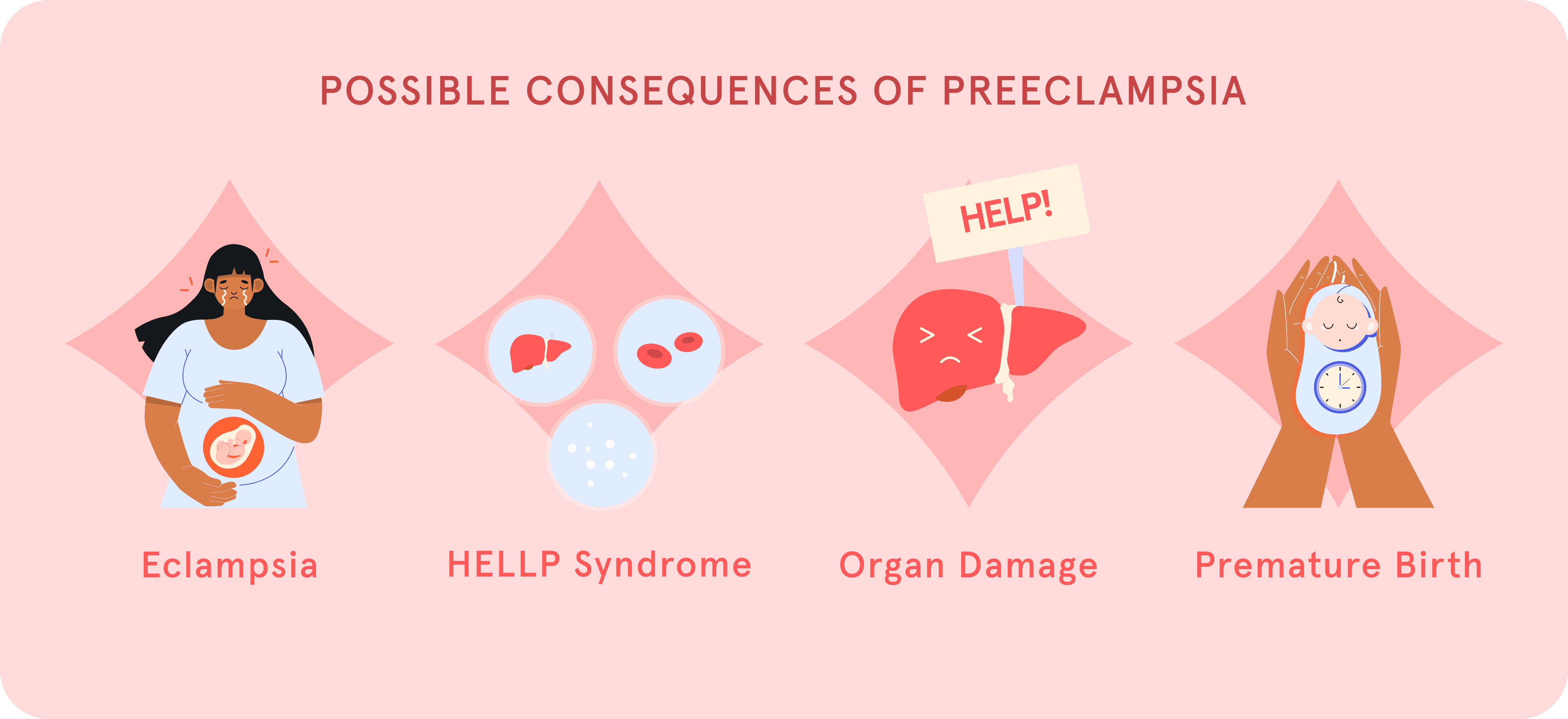
HELLP syndrome occurs in less than 1% of all pregnancies but in 10–20% of cases with severe preeclampsia and significantly increases health risks in the form of excessive bleeding.
Without timely and effective management, preeclampsia can escalate into serious health issues that endanger both the mother and the baby. Key complications include:
- Eclampsia:
This severe progression of Preeclampsia involves maternal seizures and can be life-threatening for both the mother and her child. - HELLP Syndrome:
This stands for Hemolysis, Elevated Liver enzymes, and Low Platelet count; HELLP syndrome occurs in less than 1% of all pregnancies but in 10–20% of cases with severe preeclampsia and significantly increases health risks in the form of excessive bleeding and need for blood transfusion. - Organ Damage:
Preeclampsia can lead to damage to vital organs, notably the liver and kidneys. This damage can result in long-term health problems. - Premature Birth:
Early delivery may be needed to prevent further health complications, exposing the newborn to various health risks, from repeated infections, low birth weight and stunted growth.
4. What steps are taken to manage preeclampsia?
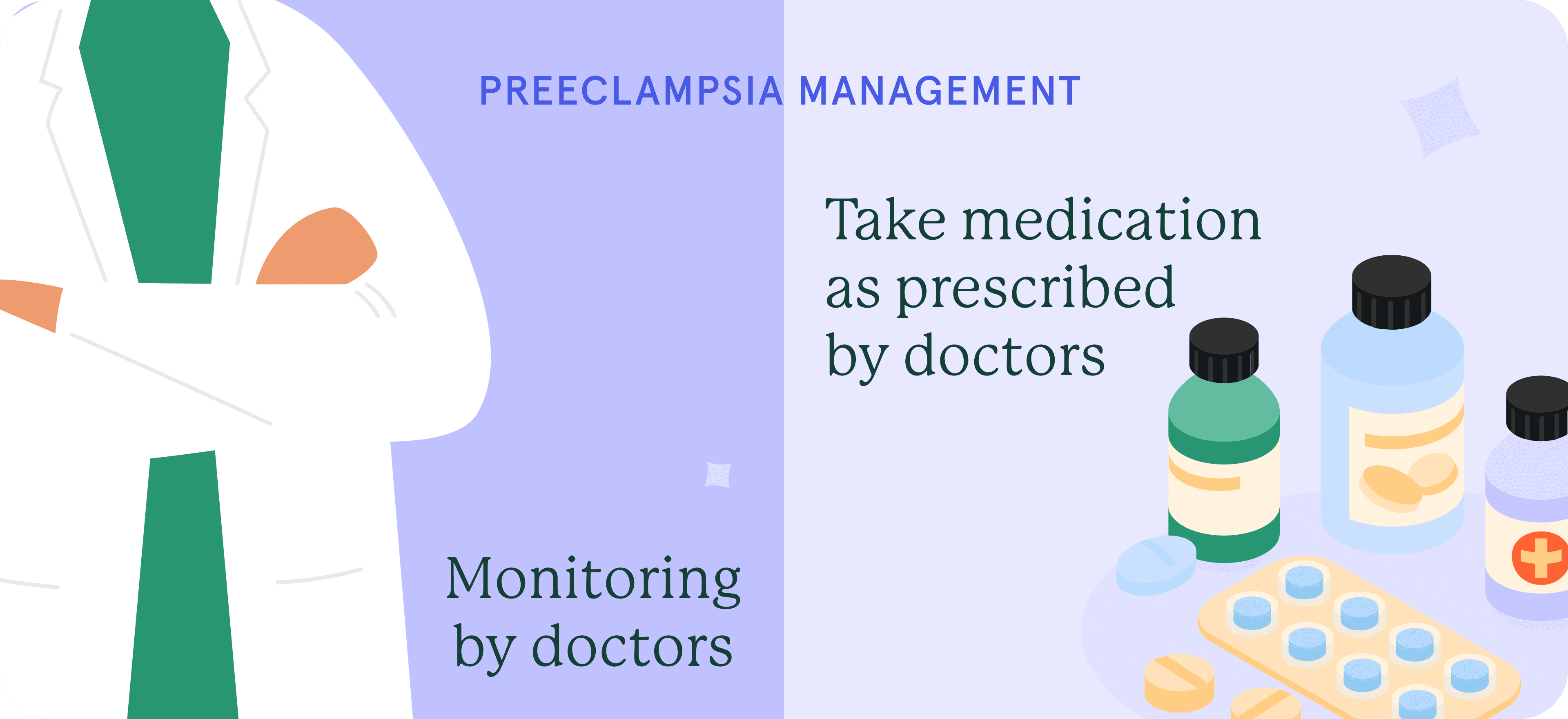
The management of preeclampsia aims to protect both the mother and the baby by controlling blood pressure, monitoring for complications, and preventing the condition from worsening.
- Regular blood pressure monitoring
Frequent monitoring of blood pressure is essential in managing preeclampsia. This may be carried out during antenatal appointments, through home blood pressure checks, or in a hospital setting for more severe cases.
- Rest and reduced physical strain
Rest is often recommended to help lower blood pressure and reduce stress on the cardiovascular system. In mild cases, this may involve taking regular breaks during the day and avoiding strenuous activities.
- Medication to control blood pressure
Medication may be prescribed to help lower and stabilise blood pressure, reducing the risk of complications such as stroke or organ damage. The choice of medication is carefully made to ensure it is safe for use during pregnancy.
- Dietary advice and safe physical activity
This typically includes advice on adequate fluid intake, limiting excessive salt where appropriate, and ensuring sufficient intake of essential nutrients. Gentle, pregnancy-safe exercise may be encouraged if blood pressure is stable.
- Ongoing monitoring of the mother and baby
In addition to managing symptoms, regular checks are carried out to assess kidney and liver function, urine protein levels, and the baby’s growth and well-being.
In some cases, if the preeclampsia is severe, delivering the baby earlier than the due date might be the safest option. However, it is mainly recommended for those at high risk.
Adequate fluid intake, limiting excessive salt where appropriate, and ensuring sufficient intake of essential nutrients can help manage preeclampsia.
Navigating the unknown: The emotional impact of preeclampsia
Preeclampsia often takes expectant mothers on a challenging journey, both emotionally and physically. Described as a "condition of uncertainty," parents often find themselves with more questions than answers, struggling to understand the complexities of their preeclampsia diagnosis and its implications for both themselves and their unborn child.
“I felt like it was my fault for delivering my girls early. I started therapy to help with these feelings, and it is something I definitely recommend doing, so mothers know they didn’t do anything wrong,” says Emily Rubel as she shares her story with the Preeclampsia Foundation.
The emotional toll of navigating preeclampsia highlights the importance of support, understanding, and comprehensive care for those affected.
Awareness matters
Awareness is crucial to enhance early detection, improve outcomes, and reduce the health risks associated with preeclampsia. In that spirit, World Preeclampsia Day on May 22 aims to spotlight the condition and cut global cases from 7 million to 3 million annually. The 2023 theme focuses on "Advancing Preeclampsia Research" to learn more about the causes.
A diagnosis of preeclampsia might seem overwhelming, but knowledge and awareness are powerful tools in navigating this challenge. Listening to the body's signals and connecting with support networks can guide families toward a positive and healthy pregnancy outcome.
Frequently Asked Questions
1. How do you prevent preeclampsia?
Preeclampsia cannot always be prevented, but regular antenatal care, managing existing health conditions, maintaining a healthy weight, and following medical advice can help reduce the risk and allow early detection.
2. What organ is most affected by preeclampsia?
The kidneys are most commonly affected, as preeclampsia causes reduced kidney function and protein leakage into the urine.
3. Can drinking lots of water prevent preeclampsia?
Drinking adequate water supports general health but does not prevent preeclampsia, as the condition is related to placental and blood vessel abnormalities rather than dehydration.
4. What triggers preeclampsia in pregnancy?
Preeclampsia is thought to be triggered by abnormal placental development, leading to poor blood flow and widespread effects on the mother’s blood vessels.
Share Article


