

 Medically Reviewed
Longevity
The Role of Circadian Rhythm in Longevity & Hormonal Balance
Jan 12, 2026
•5 min read
Share Article

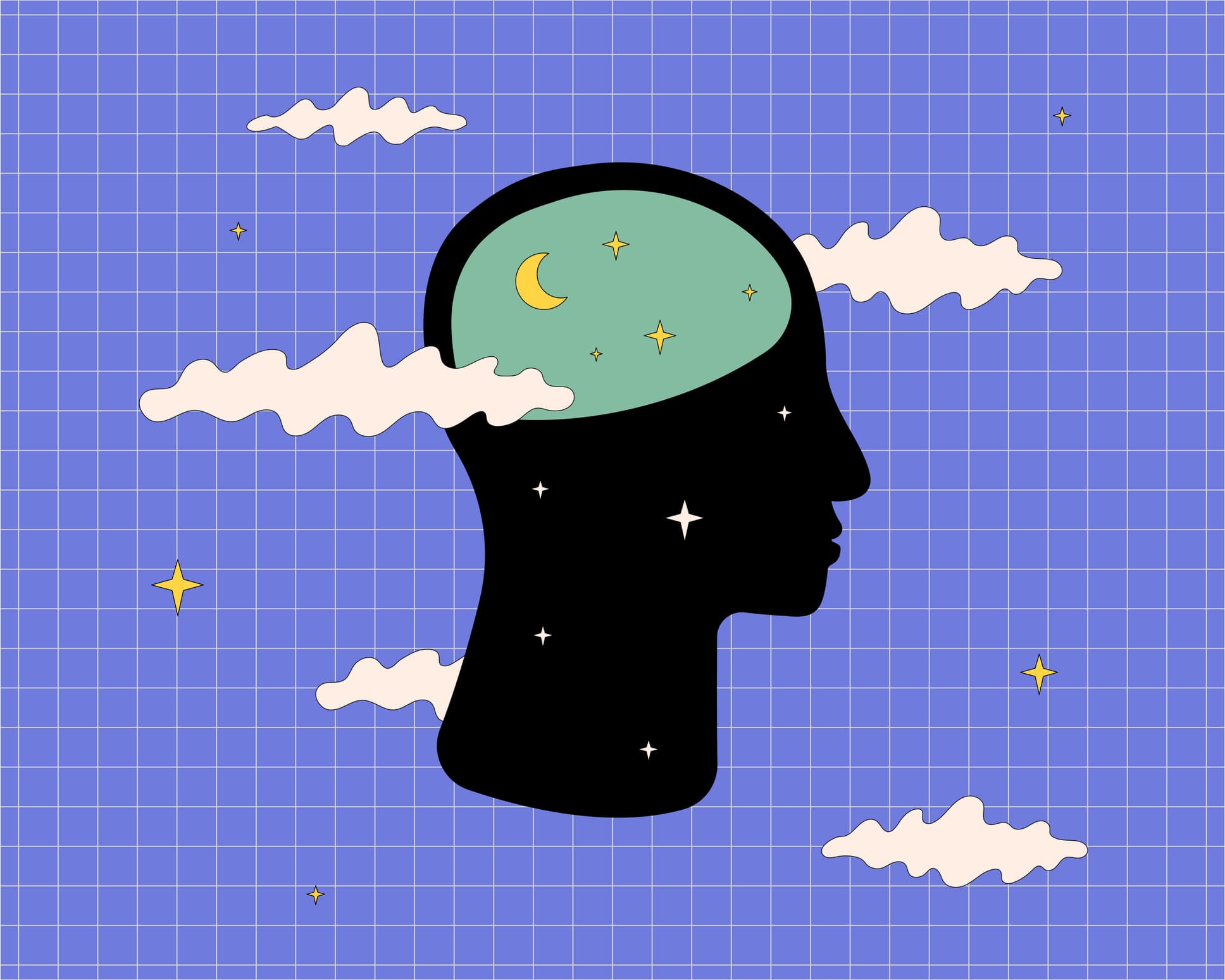
The circadian rhythm is an internal body clock that controls sleep, wakefulness, energy, and hormone secretion on a daily basis. With such a natural rhythm, the body works more effectively. This helps to repair cells, stabilise metabolism, feel good, and have a long, healthy life.
Studies have shown that regular day-to-day rhythms help in enhancing physical strength, ageing well, and maintaining normal hormonal levels. The significance of the day-night cues in determining the internal processes of the body makes it easy to make wise choices that can aid one's well-being throughout life.
The strong relationship between circadian rhythm and health and general longevity is evident in the many ways a healthy body clock has been shown to affect cognitive sharpness and hormonal messaging, among others. Disruptions, in turn, affect mood, metabolism and the functions of main hormones. This rhythm can be reinforced through basic life changes and awareness, enabling healthier ageing.
What is a circadian rhythm?
Circadian rhythm is the term which denotes the approximately 24-hour cycle which dictates physiological, behavioural and biochemical functions. It acts by a central clock found in the brain and peripheral clocks found in the body tissues. These timepieces are very sensitive to light exposure, daily tasks, and environmental conditions. Research has indicated that circadian timing affects cellular maintenance, energy generation, digestion and cognitive ability.
This time clock system allows the body to maintain the necessary processes, including hormone release, temperature control and restorative rest, at the best time. The appropriate circadian rhythm contributes to the establishment of balance and long-term well-being, and it is important to underline the fact that circadian rhythm and health are closely related to each other.
Studies have shown that regular day-to-day rhythms help in enhancing physical strength, ageing well, and maintaining normal hormonal levels.
Circadian rhythm and hormones
Hormones have predictable cycles that are influenced by the circadian timing. Hormonal communication follows a stable rhythm, from morning energy signals to nighttime repair mechanisms. Studies indicate that hormonal secretion usually peaks at certain times of day, and disturbances can affect metabolic stability, mood, and sleep.
The profound connection between the circadian rhythm and hormones demonstrates that the regular everyday pattern promotes the effectiveness of hormones. There are numerous circadian hormones that are released in response to light, meal timing, and activity. Once the cues are bizarre, the body is unable to maintain balance. Maintaining circadian timing supports long-term mood regulation, digestion, and hormonal clarity.
Circadian rhythm’s impact on longevity
The efficient repair of cells, stabilised metabolic activity, and decreased oxidative stress are vital to healthy ageing processes that are highly dependent on circadian timing. According to scientific research, properly balanced circadian systems help the body to fight age-related wear and tear, including the expression of genes associated with a long lifespan.
The body clock determines how cells use energy, repair damage, and maintain the integrity of their structure. The repair processes in the body can decrease when the rhythm is disoriented by irregular sleep patterns or lack of a consistent routine. The relationship between the circadian time, metabolic homeostasis and cell defence is what makes the circadian rhythm effects on long-term wellbeing.
Individuals with regular day-night schedules are more likely to have better cognitive performance and mood and more stable energy patterns. And in the long run, these benefits add up and lead to healthier and more graceful ageing.
According to scientific research, properly balanced circadian systems help the body to fight age-related wear and tear, including the expression of genes associated with a long lifespan.
Common factors that disrupt your circadian rhythm
Habits have a great effect on circadian timing. Once the external cues develop discord, the internal clock fails to keep harmony. Disruptors are prevalent and include the following:
- Abnormal sleeping and wakefulness.
- Late exposure to bright screens.
- Having meals at irregular times throughout the day.
- Long-distance commuting or shift work.
- The absence of natural daylight, in particular at dawn.
- Very exciting games near bedtime.
- Stress levels are high in the evenings and disrupt the natural increase of relaxation.
- Artificial light was too high at night.
The disturbances affect hormonal release, the timing of metabolism, and emotional balance. In the long run, this influences the uniformity in circadian rhythm hormone cycles and overall health.
How to align your circadian rhythm for optimal health
The circadian rhythm must be aligned using consistent signals that set the day-night rhythms. It was found that regular behaviour routines reinforce the internal clock and help to maintain physiological balance. Close observation of natural light, meal organisation, and daily routine can help people to improve their well-being and promote long-term health.
These are healthy energy distribution, stable mood, and effective hormonal correspondence that a strong circadian rhythm promotes. Having daily habits that are predictable, the body is able to foresee its needs and control its timing in the body better. Consequently, the restoration of the balance is facilitated, and the positive effects of enhanced circadian alignment are experienced in the energy levels, cognitive clarity, and metabolic stability.
A consistent schedule of everyday activities helps to strengthen stable hormonal cues.
Practical lifestyle tips for hormonal balance
Hormonal communication is largely affected by daily lifestyle habits. Stability promotes the sensitive timing of hormonal discharge and increases long-term well-being. To be in balance, it can be achieved by the following in practice:
- Develop a regular sleep-wake pattern even when off work.
- Spend natural daylight during the first hour of waking up.
- Create a relaxing evening ritual to help relax.
- Eat regularly throughout the day to avoid irregular cues.
- Participate in moderate physical activity during the day to adopt natural rhythms.
- A consistent schedule of everyday activities helps to strengthen stable hormonal cues.
- Limit nighttime exposure to intense artificial lighting
These habits support the body’s internal balance and help stabilise circadian hormones and their effects on wellbeing.
Harnessing your body clock for longevity
The circadian rhythm is among the most influential natural processes in the body, which determines daily energy, hormonal communication, cognitive well-being, and long-term health. The effect on ageing and wellness shows the extent to which the effects of the circadian rhythm internalise the functioning. With the awareness of the linkage between hormones and the circadian rhythm, humans can implement daily decisions that will be beneficial in the long term.
To keep the body clock safe, there is no need to have complicated schedules; all that is required is routines or habits that are in harmony with nature. Even minor lifestyle changes can add up to significant benefits that support hormonal balance, restful sleep, and healthy ageing. By valuing their inner rhythm, people strengthen the principles of wellbeing in the future.
Frequently Asked Questions
1. What is the circadian rhythm, and why is it significant?
A circadian rhythm is the 24-hour body clock that regulates sleep, energy, and hormone release. Maintaining a steady beat is a major contributor to long-term well-being and healthy ageing.
2. What is the effect of circadian timing on hormones?
Most hormones are daily cycles that are dictated by the light and lifestyle patterns. Routine can also be used to reinforce more definite hormonal communication.
3. Are daily routine activities beneficial to circadian health?
Yes. Consistent sleeping, exposure to natural light, appropriate timing of meal consumption, and minimisation of night stimulation are all aspects that reinforce circadian alignment.
Share Article