

 Clinically Reviewed
Female Reproductive Health
The Truth About Perimenopausal Periods
Dec 17, 2025
•6 min read
Share Article

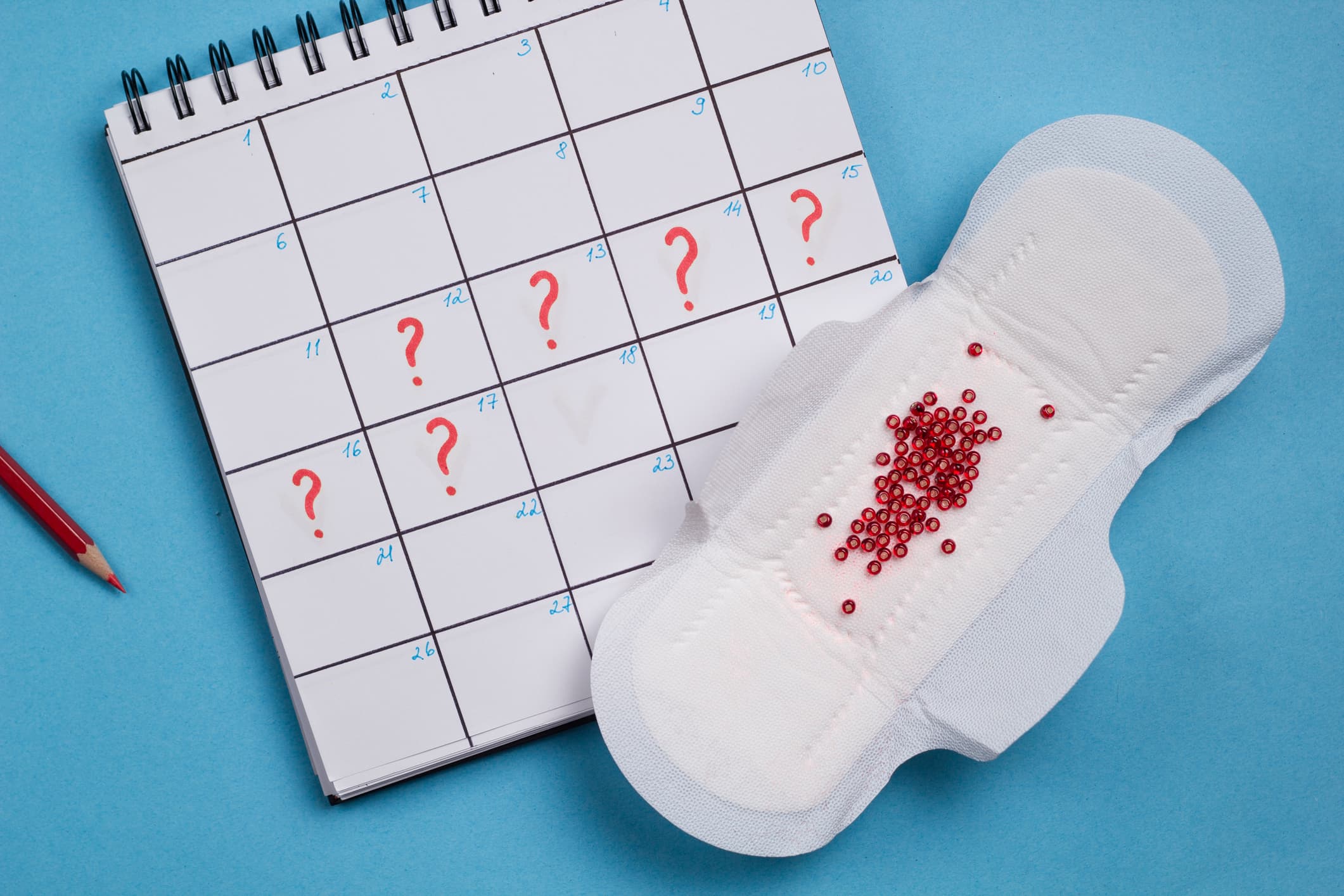
Perimenopause is the time period before menopause , during which the hormone secretion by the ovaries becomes unpredictable and result is that the menstrual cycle become irregular varying. in frequency, duration, and amount of menstrual bleeding in total,
Other symptoms that usually come with this stage include mood changes, hot flashes, sleep problems, and exhaustion, among others, which are normally termed as horrible perimenopause symptoms by the sufferers. Being aware of the signs/symptoms of perimenopause and knowing how perimenopausal bleeding is influenced by the changes in hormones will enable women to make sound/effective lifestyle changes and receive help in a timely manner.
Understanding perimenopause
Perimenopause normally starts several years before a final menstrual period. In general, the age onset is 45 to 50 years; in some individuals, the onset may be earlier, i.e., in their late 30s. The transition period may be four to eight years.
- The physiological background
Oestrogen aids in the thickening of the uterine lining, whereas progesterone stabilises it. With irregular ovulation, progesterone can decrease, causing heavier or longer bleeding. Since oestrogen spikes sometimes, it can cause perimenopausal bleeding without ovulation. This is the reason why periods can be unexpected or even more intense during this stage. Estrogen hormone secreted in the 1st half of the menstrual cycle builds up the endometrial lining and progesterone which is secreted after ovulation, helps to stabilize the endometrium. During puberty and perimenopause, the ovulation is irregular, hence the progesterone secretion is also irregular. This results in irregular and heavy periods.
- Emotional and physical effects
Neurotransmitters are also influenced by varying hormones in the brain; hence, the changes in mood, anxiety, and lack of concentration are usually frequent signs of perimenopause. This is what women tend to call not being themselves as a result of a mixture of hormonal and psychosocial factors.
Perimenopause normally starts several years before a final menstrual period. In general, the age of onset is 45 to 50 years.
Hormonal changes and menstrual cycles
The characteristic of perimenopause is hormonal imbalance. All of them, including oestrogen and progesterone, follicle-stimulating hormone (FSH), and luteinising hormone (LH), change unpredictably, interfering with the menstrual cycle.
Cycle variations
Initially, cycles can become shorter, between 28 days of average duration and 24 or 25 days. Subsequently, with less frequent ovulation, cycles can either lengthen or temporarily cease. Cycles can either get lighter or get heavier abruptly. These differences are an indication of the erratic hormonal regulation of the ovaries and uterus.
What causes the irregularity
As a result of irregular ovulation, the level of progesterone becomes inconsistent.
- The excess thickening occurs as a result of surging oestrogen in the uterine lining.
- Lining can come off irregularly, causing spotting or perimenopausal bleeding between periods.
For many, this stage coincides with busy life demands, work, and family, amplifying the perceived burden of horrible perimenopause symptoms like fatigue and irritability.
Common period changes during perimenopause
Changes in the hormone variability lead to several noticeable perimenopause changes. The cognisance of these changes aids in differentiating harmless changes and changes that demand professional intervention.
- Heavier or longer periods
Others experience more bleeding and prolonged menstrual periods because of the excess levels of oestrogen and lack of progesterone to stabilise the uterine lining. The outcome might be excessive bleeding and clotting.
- Menstrual irregularities or absenteeism
Absence of periods or cycles with a gap of several months is a frequent symptom of ovulation that is interrupted. These missed cycles are not always indicative of menopause, just perimenopause.
Accompanying symptoms
- Hot flushes or night sweats
- Sleep disruption
- Mood swings and low energy
- Tenderness and bloating of the breast.
- Reduced libido
These perimenopausal symptoms are a result of hormonal changes in various systems, in addition to the menstrual disturbances
Perimenopause is the biological change that occurs gradually before menopause, during which the menstrual cycle becomes irregular as a result of varying hormones.
When to seek medical guidance
Menstrual irregularity is considered normal during perimenopause, but some patterns are a cause for concern and call for medical attention to eliminate other reasons. Persistent heavy bleeding or post menopausal bleeding should never be disregarded.
When to consult a professional
- Excessively heavy or longer than seven days of bleeding.
- Difficult to pass a big clot/ Passage of large clots
- Weakness, dizziness or fatigue.
- Between-period bleeding becomes frequent./ Intermenstrual spotting
- Acute development of pelvic pain or discomfort.
- Menstruation stopped months before, and now it bleeds.
Return of periods after having stopped for a period of 1 year or more.
They can be an indicator of something that is not related to perimenopause periods, like endometrial or fibroids. Early assessment will guarantee the successful planning of the perimenopause therapy based on the individual's needs.
Hormonal stability is achieved through a balanced diet that is primarily composed of whole grains, fruits, vegetables, and healthy fats.
Lifestyle and preventive health considerations
Although the hormonal changes are unavoidable, there are a number of lifestyle practices that help to maintain balance and address the symptoms during perimenopause.
- Nutrition and hydration
Hormonal stability is achieved through a balanced diet that is primarily composed of whole grains, fruits, vegetables, and healthy fats. Having enough water can normalise body temperature and mood. Avoiding Too much/ Reducing the consumption of caffeine, alcohol, and processed foods can alleviate hot flushes and mood swings.
- Exercise and movement
Regular physical activity helps improve mood, cardiovascular health, and bone density. Exercises that include muscle strengthening, cardio and exercises to improve balance, and flexibility involve weight lifting of body parts and joints, along with low-weight exercises like walking or swimming, improve circulation and energy.
- Sleep hygiene
Sleep is especially important during perimenopause, as hormonal changes can interfere with the ability to sleep well. Having a regular bedtime, avoiding screens before going to bed, and having a dark and quiet room enhance the quality of sleep.
- Stress management
Stress over a long period of time increases hormonal imbalance. Stress response and emotional well-being can be managed through relaxation techniques or mindfulness.
- Regular healthcare engagement
Regular health examinations permit clinicians to track the development of the symptoms, assess the changes in bleeding, perform screening tests for preventable diseases and prescribe safe and evidence-based treatment during the perimenopause.
A holistic approach to nutrition, movement, rest, and stress relief can be used to relieve horrible perimenopause signs and promote a healthy transition to menopause.
Nurturing transition and confidence
The process of perimenopause is complicated yet natural; it signifies the change of the hormonal state of the body. In spite of the fact that perimenopause experiences and perimenopausal bleeding may be unpredictable, awareness and proactive lifestyle modifications allow one to remain stable and confident. Early detection of perimenopause enables women to deal with the symptoms and emotional stress.
Comprehensive approaches to perimenopause treatment, including self-care, professional advice, and preventive health care, enable women to take this stage with confidence and empowerment. Moreover, it’s always best to consult a professional and not rely solely on second-hand information.
Frequently Asked Questions
1. Can perimenopause begin before the age of 40?
Yes. Even though the majority of women develop it in their 40s, they can also observe the symptoms of perimenopause in their late 30s. Early maturation is normally attributed to either genetic or environmental influences.
2. What is the duration of perimenopause?
The duration varies. It takes an average of 4-8 years before the functioning of the menstrual cycle is completely terminated. The transitional degree will be based on hormonal changes and general health.
3. Why do menopausal periods become heavier?
This is due to the fact that oestrogen dominance in the absence of enough progesterone leads to an increase in the thickness of the uterine lining, leading to heavier bleeding during certain menstrual cycles.
Share Article


