

 Medically Reviewed
Parenthood
Baby Heat Rash: A Complete Guide to Identification & Management
May 27, 2026
•4 min read
Share Article

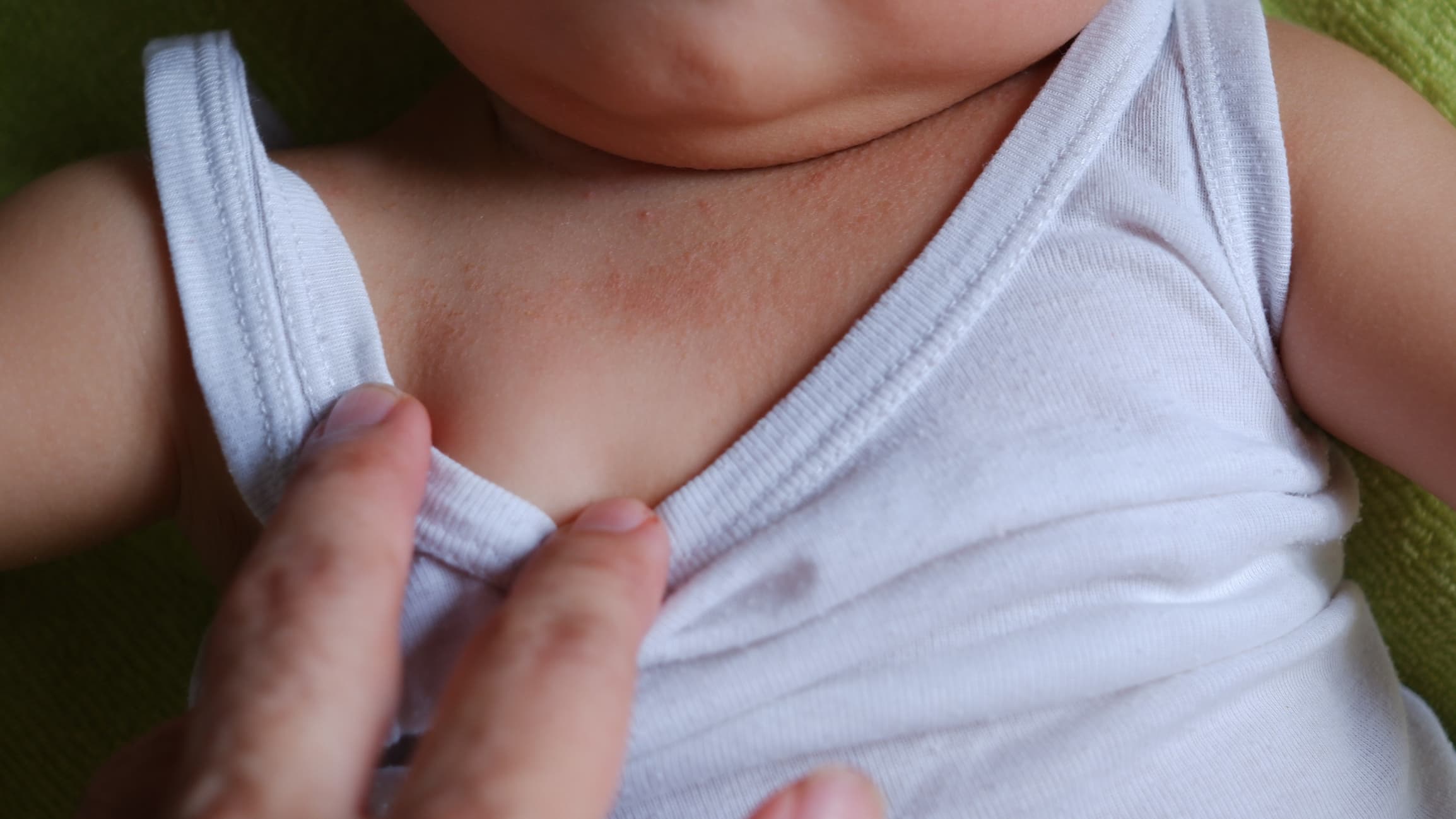
Heat rash is a common concern in babies, especially after hot weather, cosy swaddling, or overdressing. While it may look worrying, it is usually harmless and temporary.
Heat rash develops when sweat gets trapped under the skin. Since babies' sweat glands are still developing, they are more likely to develop irritation and prickly bumps than adults.
In this blog, we explain what causes baby heat rash, how to identify it, simple home care tips, and ways to keep your baby cool and comfortable.
What causes prickly heat rash in babies?
Prickly heat rash happens when sweat ducts become blocked, trapping sweat beneath the skin. This leads to irritation, redness, and tiny bumps on a baby's sensitive skin.
Because babies cannot regulate body temperature as efficiently as adults, heat rash is especially common during warm or humid weather.
Common triggers include:
- Too many layers of clothing
- Tight outfits that trap heat
- Warm blankets or bedding
- Long periods in car seats or carriers
- Hot and humid weather
- Heavy creams or skincare products
Heat rash is not contagious and usually settles quickly with simple cooling measures. Most babies remain comfortable even if the rash looks noticeable.
Sweat normally travels through tiny ducts in the skin and evaporates to cool the body. In babies, these sweat glands and ducts are still developing, making them more likely to get blocked and cause heat rash.
Common symptoms and types of heat rash in infants
Heat rash in babies can look different from heat rash in adults, which is why it often worries parents. It usually appears in areas where sweat and moisture get trapped, especially in skin folds.
Common symptoms include:
- Tiny red or pink bumps
- Mild patches of redness
- Rough or prickly-feeling skin
- Mild itching or fussiness
Prickly heat rash is one of the most common baby rashes. While some babies may feel slightly uncomfortable or fussy, many continue feeding and sleeping normally.
Heat rash can vary in appearance depending on how deeply the sweat ducts are blocked. Some rashes remain mild and close to the skin's surface, while others may appear redder and more irritated.
How to identify heat rash on a baby's neck and other body folds
The neck is one of the most common places for baby heat rash because skin folds easily trap sweat, warmth, and moisture.
During feeding, sleeping, or cuddling, moisture can build up in these creases and irritate the skin if not kept dry.
Heat rash on a baby's neck may appear as:
- Clusters of tiny red bumps
- Mild redness within skin folds
- Slight roughness or prickliness to touch
Other common areas include:
- Under the arms
- Behind the knees
- Inside elbow creases
- Around the nappy area
Keeping these areas cool and dry after feeds and baths can help prevent heat rash. Dressing babies in soft, breathable cotton clothing also improves airflow and reduces moisture buildup. In most cases, heat rash is mild and clears up quickly with simple care.
Dressing the baby in breathable cotton clothing also promotes airflow and reduces moisture buildup.
Effective ways to manage baby heat rash
The best treatment for baby heat rash is to keep the baby cool and allow the skin to breathe. Since heat rash develops due to trapped sweat, reducing sweating is the main goal.
Helpful steps include:
- Dressing the baby in loose, lightweight cotton clothing
- Removing extra layers, hats, or blankets
- Keeping rooms cool and well-ventilated
- Gently patting the skin dry instead of rubbing
- Avoiding heavy creams, oils, or ointments
Most cases of heat rash are mild and settle on their own without special treatment. Soft, breathable fabrics and a comfortable room temperature can help prevent overheating and reduce irritation.
Heat rash can look different depending on how blocked the sweat ducts are. Some rashes stay close to the skin's surface and look mild, while others may appear redder or more inflamed.
Safe home remedies for heat rash in babies
Home care for baby heat rash should focus on cooling the skin, reducing moisture, and keeping the baby comfortable.
Simple remedies include:
- Gentle cleansing with lukewarm water
- Dressing the baby in breathable cotton fabrics
- Allowing airflow around irritated areas
- Keeping skin folds clean and dry
Avoid applying thick lotions, oily creams, or heavy pastes, as these can block sweat ducts further and worsen the rash.
Heat rash usually does not affect a baby's feeding, sleep, or activity levels. However, parents should consult a doctor if:
- The rash becomes severe or keeps returning
- There are pus-filled bumps or abscesses
- The baby seems unusually uncomfortable or unwell
- Feeding or activity levels change noticeably
Most baby heat rashes improve quickly with gentle care and cooling.
Frequently Asked Questions
1. How do you manage heat rash in babies?
The best way to manage baby heat rash is to keep the baby cool, lightly dressed, and comfortable. Loose cotton clothing, good airflow, and keeping the skin dry usually help the rash settle on its own. Most heat rashes are mild and self-limiting.
2. Is coconut oil good for a baby's heat rash?
Not always. Heavy oils, including coconut oil, may trap heat and block sweat ducts further, which can sometimes worsen heat rash. New skincare products or irritants may also irritate sensitive baby skin. It is usually better to keep the area clean, cool, and dry instead of applying thick products.
3. How long does heat rash last in babies?
Most baby heat rashes improve within 2–3 days if the skin is kept cool, dry, and clean. However, parents should speak to a paediatrician if the rash is severe, keeps coming back, or does not improve.
Seek medical attention immediately if there are signs of infection, such as:
- Pus-filled bumps
- Swelling or warmth
- Fever
- Increased redness or pain
Share Article