

 Medically Reviewed
Best Fibre-rich Foods in India to Include in Your Diet
Jun 3, 2026
•5 min read
Share Article

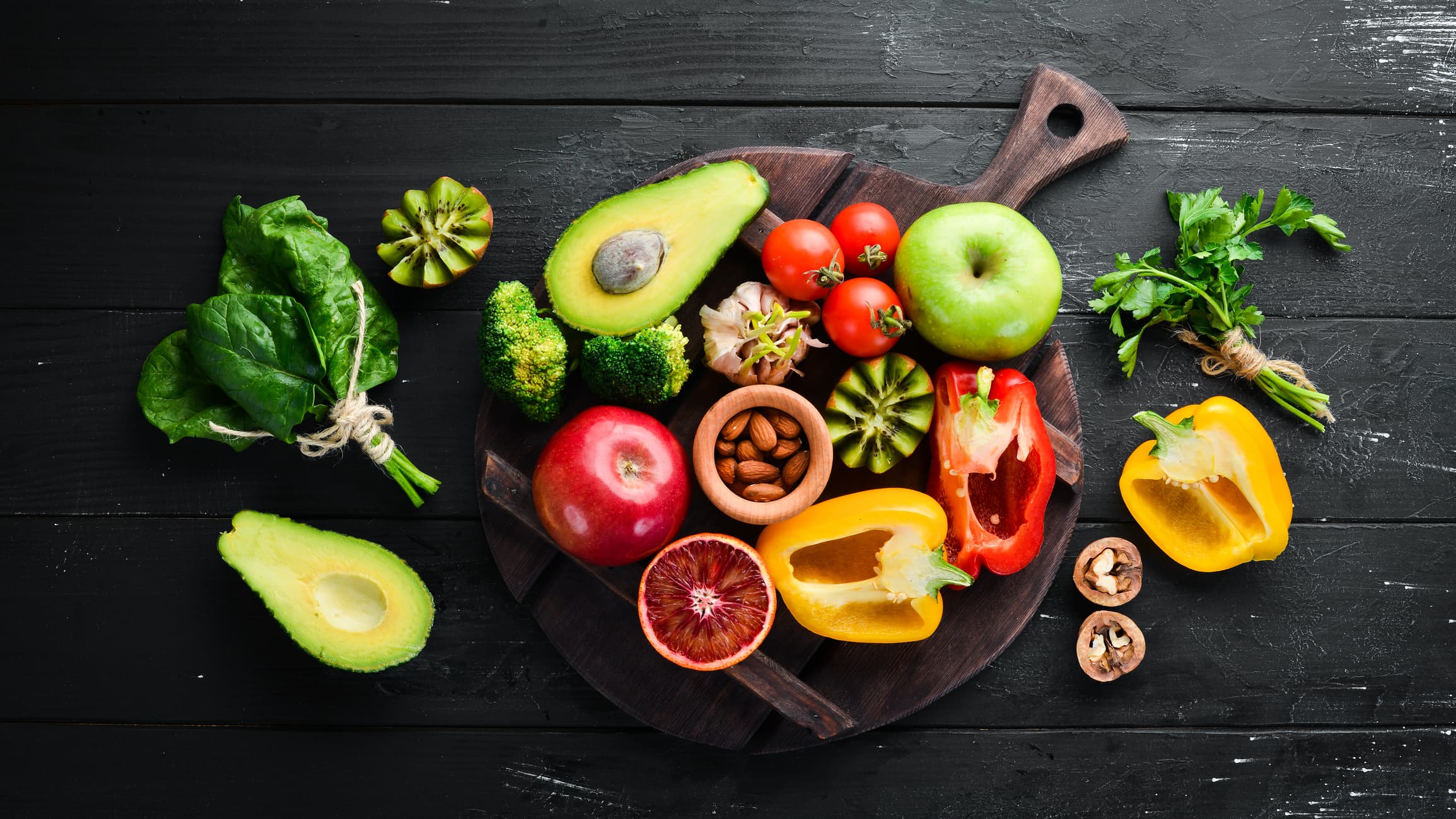
Fibre may not get as much attention as protein or vitamins, but it plays a vital role in supporting digestion, gut health, and overall wellbeing. It helps keep the digestive system running smoothly, supports fullness after meals, and contributes to better long-term health.
In India, where traditional meals often include dals, vegetables, fruits, and whole grains, getting enough fibre should seem easy. Yet modern eating habits, refined foods, and busy lifestyles have caused fibre intake to steadily decline.
The good news is that improving fibre intake does not require a major diet overhaul. Small, practical changes using familiar everyday foods can make a big difference. In this blog, we'll explore simple ways to add more fibre-rich Indian foods to your daily meals.
Why are high fibre foods essential?
Fibre plays an important role in keeping the digestive system healthy. It adds bulk to stool, helping food move more smoothly through the digestive tract and supporting regular bowel movements. Fibre also helps nourish the gut microbiome, which is closely linked to overall health.
Beyond digestion, fibre can help regulate blood sugar levels and support heart health by helping manage cholesterol levels. Since it slows digestion and the absorption of food, it also helps maintain steadier energy levels throughout the day.
Fibre-rich foods may also support healthy weight management by increasing fullness, which can help reduce unnecessary snacking and overeating.
Fibre aids in controlling blood sugar levels and maintaining cholesterol levels.
Best Indian fibre-rich foods (veg)
India offers a wide variety of naturally fibre-rich foods that are affordable, accessible, and easy to include in daily meals. Here are some common options found in many Indian kitchens.
Lentils and legumes
Lentils and legumes are staples in Indian diets and excellent sources of fibre. Foods such as dal, rajma, black gram, and chickpeas contain both soluble and insoluble fibre, supporting healthy digestion and gut balance. They also provide plant-based protein, making meals more filling and nutritious.
Including them regularly in meals can help manage appetite and reduce sudden hunger cravings, making them one of the simplest ways to increase fibre intake without drastically changing everyday eating habits.
Whole grains
Whole grains such as brown rice, whole wheat, millets, and oats retain their natural outer layers, making them richer in fibre than refined grains. They digest more slowly, helping maintain stable energy levels and supporting better digestion.
Millets, a traditional Indian grain, are especially valued for their fibre and nutrient content. Replacing refined grains with whole grains is an easy and effective way to add more fibre to everyday meals.
Fibre-rich vegetables
Vegetables are among the most accessible sources of fibre in the Indian diet. Options such as spinach, carrots, beans, peas, and okra help support digestion and overall health.
Light steaming or sautéing can help preserve fibre while improving taste and digestibility. Including a variety of vegetables in daily meals can support long-term gut health and balanced fibre intake.
Fruits high in fibre
Fruits such as guava, apples, bananas, papaya, and pears are naturally rich in fibre and easy to include in everyday diets. They support digestion, provide steady energy, and help satisfy sweet cravings in a healthier way.
Guava is considered one of the richest fibre sources among commonly available fruits in India. Eating fruits with edible peels, such as apples and pears, can further increase fibre intake.
Nuts and seeds
Almonds, flaxseeds, chia seeds, and sunflower seeds are concentrated sources of fibre that can easily be added to breakfasts, salads, smoothies, or snacks.
Along with fibre, they also provide healthy fats that support heart health and help increase fullness, which may reduce overeating and support healthy weight management.
Guava is one of the richest sources of fibre among the fruits that are widely available in India.
Cheap high-fibre foods in India
Fibre-rich foods in India do not have to be expensive. In fact, many traditional Indian staples are naturally high in fibre and budget-friendly. Affordable options such as lentils, seasonal vegetables, bananas, whole wheat, and millets already form the foundation of many Indian meals.
Choosing local and seasonal produce can help keep costs low while also providing fresher and more nutritious foods. With so many accessible options available, increasing fibre intake does not require a major increase in food expenses.
Including lentils regularly in meals can help manage appetite and prevent sudden hunger spikes.
Popular high-fibre veg Indian dishes
Including fibre-rich foods in your diet does not have to be complicated or boring. Many popular Indian vegetarian dishes are naturally high in fibre while also being flavourful, filling, and nourishing.
Popular high-fibre veg Indian dishes
Including fibre-rich foods in your diet does not have to be complicated or boring. Many popular Indian vegetarian dishes are naturally high in fibre while also being flavourful, filling, and nourishing.
- Dal: Rich in both soluble and insoluble fibre, dal supports digestion and gut health while also providing plant-based protein, making it a wholesome everyday meal option.
- Chana masala: Chickpeas are packed with fibre and protein, helping keep you full and energised for longer.
- Mixed vegetable sabzi: Made with seasonal vegetables, this dish provides fibre, vitamins, and antioxidants that support digestion and overall health.
- Vegetable upma: Prepared with semolina and fibre-rich vegetables, vegetable upma is a light yet satisfying option that offers steady energy and supports digestion.
- Sprout salad: Sprouts such as moong and chana are rich in fibre and nutrients that help support gut health. They make for a refreshing snack or nutritious side dish.
Frequently Asked Questions
1. Which Indian foods are high in fibre?
Many everyday Indian foods are naturally rich in fibre. These include lentils, whole grains, fruits, nuts, seeds, and vegetables such as spinach, beans, peas, and okra, all commonly used in traditional Indian meals.
2. How can you increase fibre in chapati?
You can make chapatis richer in fibre by using whole wheat flour and adding ingredients such as bran or millets to the dough. Kneading the dough with grated vegetables like carrot, spinach, or methi can further boost fibre content. Pairing chapatis with fibre-rich sabzis and dals also helps create a more balanced meal.
3. How can you meet your daily fibre needs?
Including whole grains, lentils, fruits, vegetables, nuts, and seeds regularly throughout the day can help you meet your daily fibre requirements. Eating a variety of fibre-rich foods is the simplest way to maintain healthy intake levels.
4. What are the main sources of fibre?
Some of the most common fibre-rich foods in India include:
- Fruits: Guava, apples, pears, oranges, and berries
- Vegetables: Spinach, cabbage, carrots, broccoli, beans, and okra
- Whole grains: Brown rice, oats, whole wheat, and millets
- Legumes: Lentils, chickpeas, rajma, and black gram
- Nuts: Almonds, walnuts, and pistachios
- Seeds: Flaxseeds, chia seeds, and sunflower seeds
- Root vegetables: Sweet potatoes, beetroot, and carrots
These foods help support digestion, gut health, fullness, and overall well-being.
Share Article