

 Medically Reviewed
Longevity
Boosting Longevity: The Link Between Brain and Ageing
Dec 17, 2025
•5 min read
Share Article

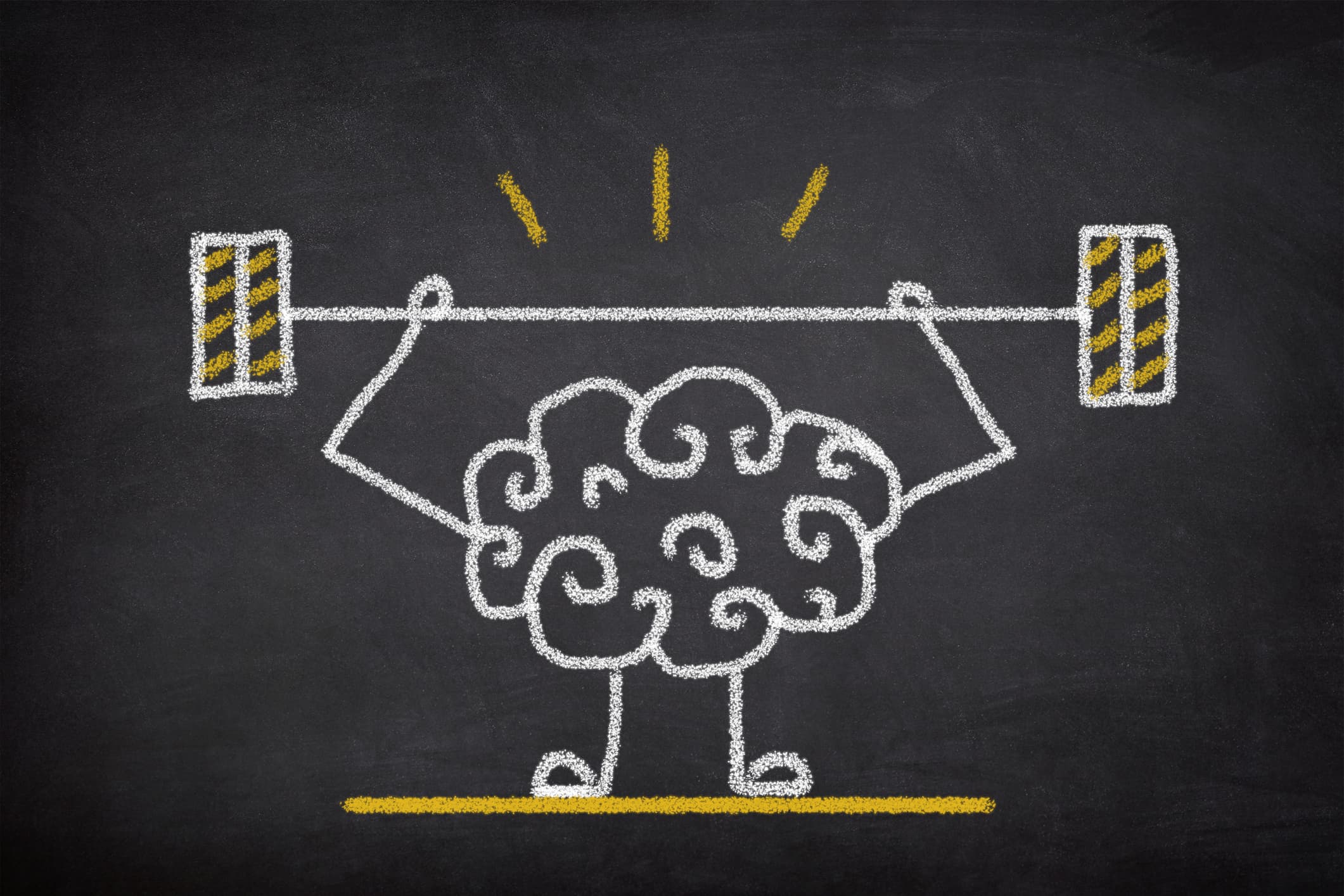
The relationship between brain health and ageing is more important than most people care to acknowledge. A healthy brain boosts memory and concentration, and it also provides a direct link to physical health and lifespan. It has been found that cognitive resilience helps prevent age-related deterioration, which supports emotional stability and functional competence in daily life.
A healthy ageing and brain maintenance program is more than just memory exercises; it also includes lifestyle, social life, and lifelong learning. Mental activity promotes neural development and neural structural integrity, which are determinants of healthy brain ageing. Just as physical exercise keeps the body fit, mental fitness keeps and strengthens the mind and postpones ageing.
This blog discusses the scientific connection between the brain and lifespan, the processes by which the brain is interconnected with longevity. It also explores daily routines that can be used to maintain the health of the brain as you grow older.
The connection between brain health and longevity
The human brain controls all the processes that keep a person alive- movement and memory, hormonal balance, and stress reaction. Research shows that a healthy brain is directly associated with increased life span and a minimised possibility of developing chronic illness.
A healthy brain promotes better decision-making, emotional control, and motivation, which subsequently promote positive health behaviours, including balanced nutrition, socialisation, and exercise, all of which are related to longevity of brain health.
At a cellular level, lifelong mental work encourages neurogenesis, the creation of new neurons, particularly in the hippocampus region, which is important in learning and memory. These mechanisms preserve the plasticity of the brain, decelerate biological ageing, and enhance cognitive flexibility.
Research shows that a healthy brain is directly associated with increased life span and a minimised possibility of developing chronic illness.
How does mental fitness support longevity?
Mental fitness is more than intelligence; it is the brain's ability to adapt, recuperate, and perform optimally in the presence of stress. Neural pathways are reinforced and enhance memory retention through regular cognitive tasks like language acquisition, reading, or playing strategic games.
Mental activity of the brain leads to better physiological activity, like blood circulation and oxygen transportation, which increases the brain's capacity to get rid of toxins. This helps prevent inflammation and oxidative stress, which cause cognitive decline and accelerated ageing.
Moreover, good mental health facilitates social activity, which is one of the major predictors of healthy brain ageing. Individuals with an active social and intellectual life have improved emotional balance and reduced chances of mood disorders, linked to accelerated biological ageing.
Cognitive decline and ageing: What to watch for
Ageing is a normal process that impacts memory, attention, and processing speed; however, when it is abnormal or rapid, then those are signs of a problem that should be addressed. Common early signs include:
- Problems with recalling recent happenings or talks.
- Difficulty in concentrating on complex tasks.
- Reduced speed of decision-making/problem-solving.
- Loss of motivation or withdrawal.
Although age-related deterioration is natural, the loss can be slowed down by ensuring brain health is preserved throughout age. Mental, physical, and social activity are beneficial as they help to counteract a great number of changes associated with advancing age.
Persistent stress, insomnia, or an extended period of social isolation increases the rate of wear and tear in the neurons, as well as diminishing the flexibility of the brain. Solving them at an early age will help maintain attention, reasoning, and memory during a later, more advanced age.
Chronic stress, insomnia, and isolation damage neurons and weaken brain function.
Habits that boost brain health for longevity
The everyday life decisions are crucial in maintaining brain health. The integration of cognitive, physical, and emotional well-being practices can be used to safeguard neural structures and ensure long-term functioning.
- Mental stimulation
Stimulating the mind by means of reading, acquiring new talents, or playing riddles reinforces neural circuits and helps the brain age gracefully. These are exercises that enhance concentration, imagination, and retention, which develop cognitive sustainability.
- Physical activity
Motion improves the circulation and delivery of oxygen, increasing brain activity and energy. Moderate exercise can also help the brain stay healthy longer by preserving neurons and lowering inflammation. A 12-month randomized trial found that adults aged 26-58 who engaged in moderate-to-vigorous aerobic exercise had a 0.6-year lower brain-predicted age difference (brain-PAD) compared to those receiving usual care, indicating that regular physical activity may help slow brain ageing.
- Nutrition and hydration
Antioxidants to keep the brain cells safe are found in a balanced diet based on fruits, vegetables, and healthy fats. Proper hydration ensures communication among neurons and the general functioning as well.
- Sleep and stress management
Sleep helps restore brain connections, while stress management through mindfulness promotes hormonal balance, keeping the brain alert.
- Social engagement
Meaningful relationships support emotional and brain health, even as we age, reducing the risk of cognitive decline.
- Foster social interaction
Humans are social beings, and meaningful connections are vital for brain health as we age. Regular interaction with friends, family, or community groups boosts emotional resilience, lowers stress, and activates areas of the brain linked to empathy and wellbeing.
Sleep helps restore brain connections, while stress management through mindfulness promotes hormonal balance.
Key takeaways on brain health and longevity
The key to living well and ageing gracefully is cognitive vitality. A good and flexible mind is useful in maintaining emotional stability, decision-making, and physical well-being, all of which are crucial to a long lifespan.
The mental exercising, social interaction, and healthy habits are daily undertakings in sustaining brain health and ageing. Combined, the practices enhance resilience to cognitive decline and the prolonged quality of life.
Frequently Asked Questions
1. What is the effect of the mind on lifespan?
Regular mental exercise enhances blood circulation, neural regeneration, and hormone equilibrium, all of which contribute to brain health and slow down the effects of ageing.
2. Can brain training help prevent the effects of ageing?
Yes. Tasks that demand memory, attention, and reasoning can keep the neural plasticity sustained, which is beneficial in the healthy ageing of the brain and enhancing daily life functioning.
3. What are the lifestyle practices that keep your brain healthy as you grow older?
Some of the known ways of conserving brain health as you age and continue to enjoy cognitive vitality through life encompass balanced nutrition, sleep, physical movement, and social interaction.
Share Article