

 Medically Reviewed
Parenthood
Danger Signs of Pneumonia in Infants
May 26, 2026
•6 min read
Share Article

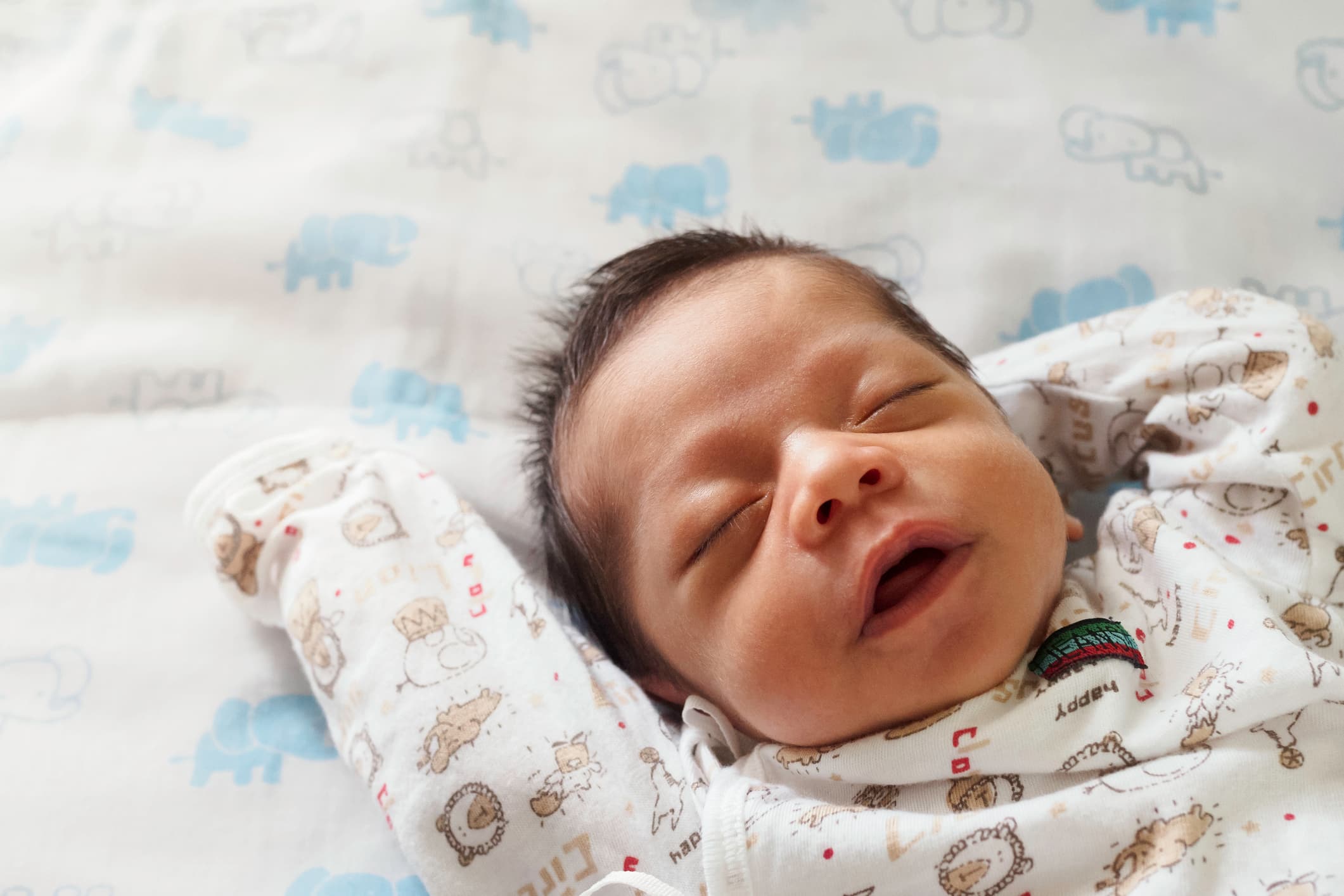
When your baby is ill with a cold, you anticipate a runny nose, perhaps a cough and an occasional two or three disrupted nights. However, once the breathing begins to appear abnormal or your baby appears to be abnormally quiet and frail, it can be very frightening very soon. But what is pneumonia in infants? It is an infection that directly influences breathing and oxygen. Point to note here is that since infants are unable to report on the tightness of the chest or breathlessness, the parents have to rely on observable barriers.
Understanding the danger signs of pneumonia in infants can help parents seek medical attention promptly. Moreover, timely treatment has a significant impact on the recovery process and minimisation of complications.
What is pneumonia in infants?
Most parents will ask questions like, "What is pneumonia in infants?" and "What is the difference between pneumonia and a cold?" Without raising any alarms, here is a clear view of the condition. Pneumonia is a lung infection that causes inflammation of the very tiny air sacs (alveoli), most of the times result of a viral or bacterial infection. Such air sacs can be filled with fluid or pus, making it hard to breathe and decreasing the oxygen in the blood.
Infants are more susceptible due to:
- Immunity is still not mature
- Airways are narrow, mucus clearance is smaller in volume.
- Symptoms may worsen faster than in older children.
There are instances in which pneumonia sets in with or without a prior symptoms like cold. Fever would present most of the times, however in infants fever is sometimes absent. In other patients, it can manifest abruptly with difficulty in breathing and fever. Knowledge about the definition of pneumonia in infants assists parents in noting that breathing changes are the most important indication of pneumonia.
Pneumonia is a lung infection that causes inflammation of the very tiny air sacs (alveoli).
Causes of pneumonia in infants
Informing parents about the causes of pneumonia in infants may help prevent the condition by identifying its risk factors. The infection can be caused by viruses, bacteria, or predispositions.
Viral infections
The most prevalent of the causes of pneumonia in babies, particularly in those below one year old, is viruses. Respiratory diseases usually start as a cold and slowly evolve into the lungs.
Bacterial infections
Another significant cause of pneumonia amongst infants is bacterial infection. Such a type can be developed more quickly and often needs antibiotic treatment. They can also make the child dehydrated, irritable and often warrants in house care.
Prematurity or weakened immunity
Infants who are premature or those who have medical conditions are more prone to this since their immune system is not well-developed.
Environmental exposure
Cigarette smoke, pollution, or overcrowded living are all contributing factors to the development of respiratory infections.
Remember, not every cough becomes pneumonia. However, persistent or worsening symptoms should be monitored closely.
The most prevalent of the causes of pneumonia in babies, particularly in those below one year old, is viruses.
Common symptoms of pneumonia in infants
The symptoms of pneumonia in infants can initially resemble a severe cold, which makes early detection challenging.
Common symptoms include:
- Persistent cough
- Fever (though not always present)
- Rapid breathing, noisy breathing, whopping sound
- Reduced feeding
- Increased irritability
- Vomiting after coughing
- Excessive irritability, sometimes lethargy and drowsiness and not accepting feeds.
Some infants may sweat more during feeding or seem uncomfortable while lying flat.
It is important to observe whether symptoms are improving or worsening over time.
Key danger signs of pneumonia in infants that parents should watch for
Some of the symptoms are life-threatening. These are danger signs of pneumonia in infants that must not be disregarded.
Very fast or laboured breathing
When the baby breathes faster than normal or when you can see the chest pulling in between or under the ribs (chest retractions), then this is a sign of respiratory distress. Another of the warning signs is nostrils flaring with every breath.
Grunting or persistent wheezing
Constant grunting can be an indication that your baby is having a problem keeping the air moving. Wheezing could be a sign of inflamed or constricted airways.
Bluish lips, face, or fingertips
The colour of a bluish hue is an indication of low oxygen in the blood. It is a health emergency and in need of hospital care.
Refusal to feed
When your baby is rejecting feeds or too exhausted to suck, then the body may be experiencing a lot of stress. Changes to breathing in combination with difficulty feeding are of concern.
Extreme drowsiness or unresponsiveness
In case of a baby who is hard to wake, floppy, or less responsive than normal, there is an urgent need to be evaluated.
Treatment options for pneumonia in infants
Pneumonia in infants can be distressing for both the child and their caregivers, as young babies are particularly vulnerable to respiratory infections. The following are treatments commonly recommended by healthcare professionals based on the infant's condition and specific needs.
Supportive care
Mild cases of viral pneumonia can be treated with an emphasis on rest, fluids, and the observation of breathing. Congestion could be alleviated by saline drops and humidified oxygen.
Hospital monitoring
In extreme cases, the individual may need intravenous fluids, a breathing apparatus, and close monitoring. Early intervention has a large effect on the course of complications as well as rapid recovery.
When to seek emergency medical care for infant pneumonia
Immediate medical care is necessary if you notice:
- Severe or worsening breathing difficulty
- Bluish lips or skin
- Persistent high fever in a young infant
- Refusal to feed with lethargy
- Signs of dehydration, such as very few wet nappies
If something feels unusual or concerning, it is always safer to consult a healthcare professional. Infants can deteriorate quickly, and early intervention can be life-saving.
Washing hands thoroughly with soap and water before handling your baby, and encouraging others to do the same, helps minimise the transfer of bacteria and viruses.
Preventive measures
While pneumonia cannot always be completely prevented, adopting certain healthy habits can significantly reduce your baby's risk of developing serious respiratory infections.
Practise frequent handwashing
Germs spread easily through touch, especially in households with multiple family members. Washing hands thoroughly with soap and water before handling your baby, and encouraging others to do the same, helps minimise the transfer of bacteria and viruses that can cause respiratory infections.
Avoid exposing your baby to sick individuals
Infants have developing immune systems, making them more vulnerable to infections. Limiting contact with individuals who have coughs, colds, flu, or other contagious illnesses reduces the likelihood of your baby being exposed to harmful pathogens.
Maintain a smoke-free home
Exposure to second-hand smoke can irritate a baby's airways and weaken their natural defence mechanisms, increasing the risk of respiratory infections, including pneumonia. Keeping your home and car smoke-free creates a healthier environment for your child's lungs to develop properly.
Breastfeed if possible to support immunity
Breast milk contains antibodies and essential nutrients that help strengthen an infant's immune system. Exclusive breastfeeding for the first six months, where possible, can provide added protection against infections and support your baby's ability to fight off illnesses more effectively.
Vaccinations
Yearly influenza vaccines and RSV passive immunisation especially in children with prematurity, low birth weight, chronic heart or lung disease. Also pneumococcal vaccines as per the schedule.
Don't ignore prolonged coughing in infants
Infant pneumonia is a critical condition that responds to timely diagnosis. Knowledge of what pneumonia is in infants and understanding the signs of pneumonia in infants can help parents take prompt action. Timely diagnosis and having the knowledge of how to manage pneumonia in young children help them to recover faster and avoid long-term complications.
But remember not to panic. Watch breathing patterns. Monitor feeding. Trust your instincts and always consult a doctor. When medical care is given in time, babies can heal and once more resume their usual healthy practices.
Frequently Asked Questions
1. When to worry about pneumonia in babies?
Consult a doctor in the case of rapid breathing of your baby, bluish lips, difficulty feeding, excessive drowsiness, or continual fever.
2. What are the four danger signs of pneumonia?
Rapid breaths, chest draw-ins, bluish lips or skin and extreme lack of energy or refusal of food are a few of the major signs of pneumonia in infants.
3. What is silent pneumonia in babies?
It is characterised by cases of apparent cough or high fever absence accompanied by changes in breathing.
4. What's the worst symptom of pneumonia?
The most serious symptom is severe breathing difficulty, where the levels of oxygen in the body are low, and emergency care is needed.
Share Article