

 Clinically Reviewed
Longevity
Glycation and Ageing: What Sugar Does to Your Proteins
Jan 11, 2026
•5 min read
Share Article

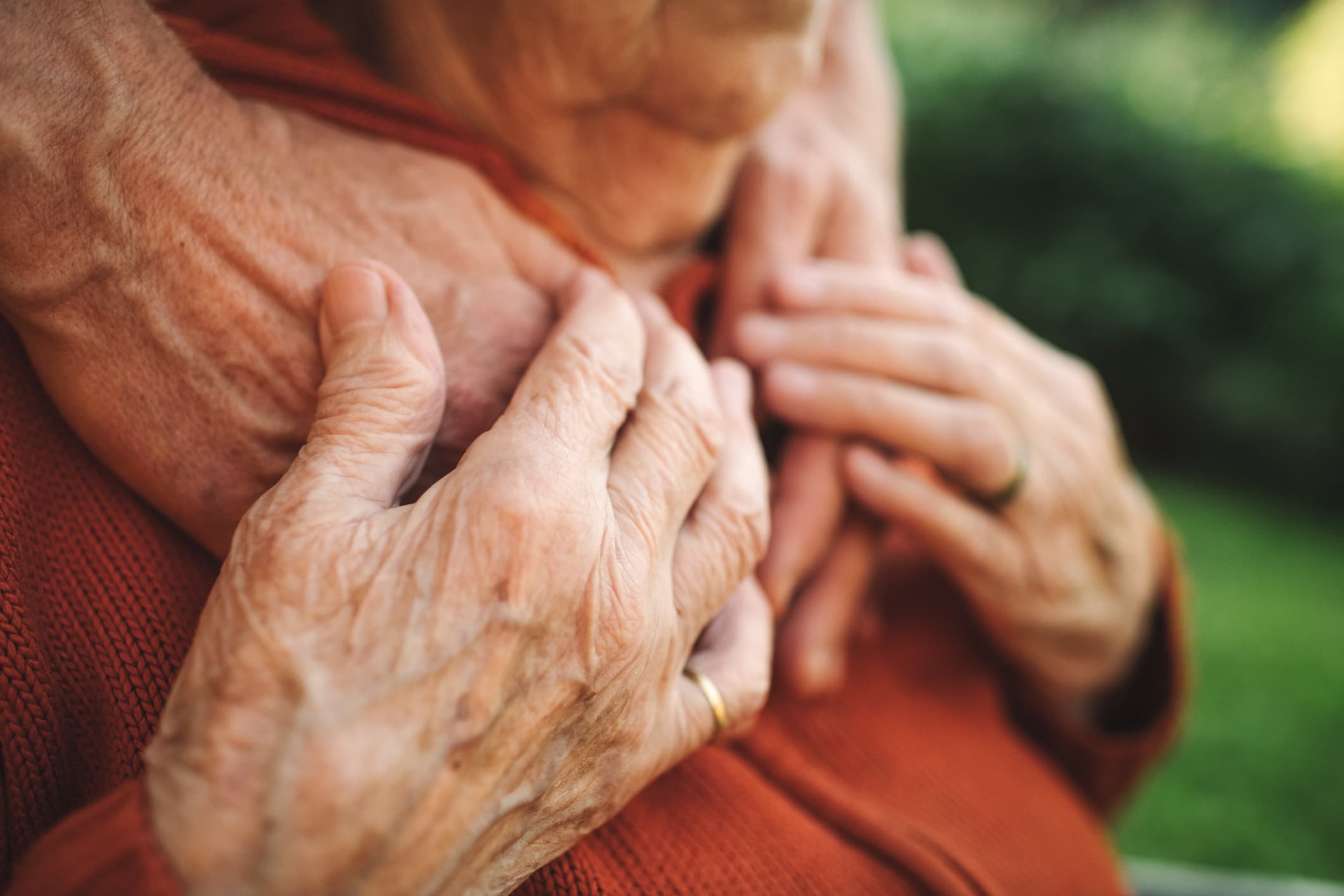
Ageing is a normal process, yet some biochemical responses can hasten this process. Glycation and ageing are also correlated. It is one of the most prominent reactions between sugars and proteins and can weaken tissues, change the way skin looks, and affect overall long-term well-being.
This process can be attributed to many of the changes that many adults in the middle ages are experiencing, including loss of skin elasticity or slow recuperation. Understanding what glycation is and its role in ageing enables people to adopt a healthy lifestyle to safeguard their cells' health.
Studies show that prolonged exposure to high sugar levels enhances the production of toxic substances that are associated with tissue damage and the appearance of micro-ageing. It is possible to lessen the effect of this process and preserve the structural proteins of the body with the help of awareness, diet changes, and easy habits in everyday life.
What is glycation?
Glycation is an enzyme-independent process in which the sugar molecules bind to proteins or fats. This results over time in the development of advanced glycation end products (AGEs), which accumulate in tissues and reduce cell efficiency. This has been studied to have the AGEs influence structural proteins, which are supposed to maintain elasticity, strength and smooth functionality of different tissues.
The increase in this process is more pronounced in the case of steady, high sugar consumption, indicating that it is also relevant to long-term wellbeing and the manifestations of glycation and ageing. Glycation of structural proteins reduces their flexibility, impairing optimal performance of their functions and affecting the appearance and sensation of the body in the long term.
Glycation is an enzyme-independent process in which the sugar molecules bind to proteins or fats.
Glycation and skin ageing
Glycation has one of the most visible impacts on the skin's appearance. Ageing can weaken fibres that maintain the skin's firmness and elasticity when sugar interacts with proteins. It has been found that these changes in chemical makeup are among the factors leading to fine lines, dullness, and uneven texture. This association between glycation and skin ageing justifies the reason why certain individuals can observe an accelerated change in the quality of their skin texture as sugar levels increase.
AGEs can also impair the capacity of the skin to regenerate following daily exposure to the environment. The stiffening of proteins causes the skin to be less firm, hence changes are more pronounced. Even though glycation is a natural process, lifestyle decisions have the ability to affect the rapidity of the glycation process.
Foods that promote glycation
Some foods play a significant role in the development of AGEs. Foods that contain a lot of added sugar, refined carbohydrates or have too many processed components tend to put additional glycation load on the body. Numerous research studies have demonstrated that frequent consumption of these foods increases circulating AGE levels and alters metabolic stability. Such glycation food stuffs entail baked goods, sweets and foods that are exposed to high dry heat in their cooking.
This leads to the internal environment in which sugar reacts more easily than proteins and promotes the glycation process when these products are taken regularly. Although every person can indulge once in a lifetime, some habits can influence the overall health and physical appearance of old age.
Ageing can weaken fibres that maintain the skin's firmness and elasticity when sugar interacts with proteins.
Anti-glycation foods and lifestyle
Formation of AGEs can be reduced by a balanced diet aimed at reducing unnecessary exposure to sugar. Several food items rich in nutrients are natural boosts to the defences of body that counter glycation-related modifications. Among these anti-glycation foods are the varieties that contain natural antioxidant that combats the oxidative stress that is caused by the AGEs.
There is also a significant difference in lifestyle habits. It was also found that moderate physical exercise facilitates metabolic activities, which aid in the prevention of AGEs accumulation in tissues. Proper hydration, mixed meals, and careful cooking can be used to maintain AGEs down too; steaming or very gentle simmering may be used.
Healthy everyday habits do not eradicate glycation, yet they greatly slow down its development, contributing to the safeguarding of the proteins and preservation of their quality over time.
Health risks of excessive glycation
It is not the appearance alone that is affected by excessive glycation- there are long-term well-being consequences. Researchers have shown that elevated AGE levels relate to tissue damage, a lack of flexibility, and strain on other organs. Such effects result in early glycation and ageing of the body, and the body is more susceptible to the alterations that normally appear in life much later.
The AGE accumulation can also affect the metabolic balance and can be a source of oxidative stress and inflammation. With time, this combination is able to influence normal communication within the cell and the repair of tissues. Although glycation is a normal ageing process, keeping the level of sugar within normal healthy limits can go a long way in minimising the risks.
Minimise products with high content of added sugars in order to diminish the surroundings where glycation thrives.
Practical tips to reduce glycation daily
Simple daily routines are effective in reducing glycation levels and stabilising the exposure to sugar and safeguarding the structural proteins. Such minor changes, which are practised regularly, would slow down the process of AGEs and allow the body to age healthily.
- Select balanced food that has plant foods rich in fibre to encourage stabilised sugar release.
- Minimise products with high content of added sugars in order to diminish the surroundings where glycation thrives.
- Use moist cooking techniques like simmering or steaming as opposed to dry cooking, which consumes a lot of heat.
- Ensure one remains hydrated throughout the day to aid in efficient metabolism.
- Eat foods that contain natural antioxidants to overcome oxidative stress associated with AGEs.
- Engage in routine mild exercises to facilitate general metabolic rate.
- Scheduling meals and consuming slow-release carbohydrates helps to avoid frequent sugar spikes.
Protect your proteins, protect your youth
Understanding what is glycation provides valuable insight into how daily habits influence long-term wellbeing. Although glycation is a natural process, lifestyle dictates the rate at which it progresses, the visible and internal symptoms of ageing. The consumption of balanced meals, careful sugar consumption, and antioxidant-containing foods can help the body to protect itself against the development of AGEs better.
Through adopting anti-glycation food and a sustainable lifestyle, people can help the ageing process, improve the tissue health, and improve the health of the skin in the middle ages and later stages. The end result of preserving structural proteins is safeguarding vitality, appearance and general comfort over time.
Frequently Asked Questions
1. What is glycation, and why is this important?
Glycation takes place when proteins are bound by sugar, creating AGEs that lead to tissue damage and observable ageing. Such a process has an impact on long-term well-being.
2. What is the impact of glycation on the appearance of the skin?
Glycation makes structural proteins weak and less elastic, and firm. This creates fine lines, dullness and ageing.
3. Do routine practices lower glycation?
Yes. By eating balanced meals, reducing sugar consumption, and cooking consciously, the AGEs can slow down and help to age more healthily.
Share Article