
 Medically Reviewed
Lung & Respiratory Health
Health Adversities from Indoor and Outdoor Air Pollution
Whether you are sitting behind closed doors or going out, the pollution level in the environment is progressively impacting our health. Improve ventilation, choose low-VOC products, and seek medical advice for concerns.
Feb 17, 2026
•6 min read
Share Article

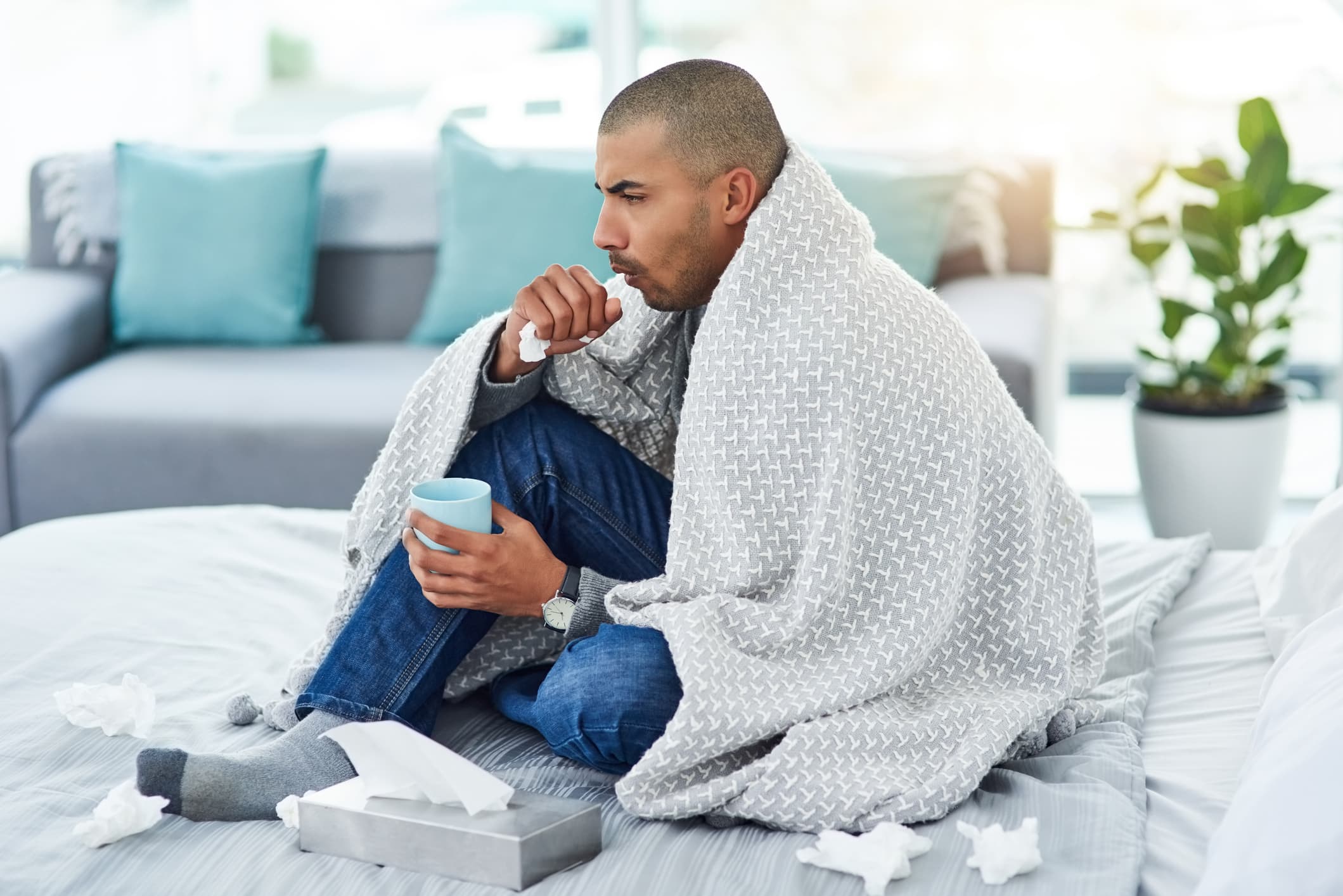
We breathe approximately 20,000 times a day, often without a second thought. Health risks from air pollution, both indoors and outdoors, pose a significant threat to our health and depend on several factors, including various economic factors and accessibility to healthy-living infrastructures. Air pollution, in general, is related to cardiovascular diseases and respiratory ailments. Both indoor and outdoor air pollution have different characteristics. Let's dive deeper into the insidious world of air pollution and explore its health adversities on our well-being.
Indoor air pollution
Indoor air pollution refers to the presence of air pollutants and contaminants in buildings and homes. Indoor air pollution can trigger various non-communicable diseases that can even have fatal effects on human lives.
Improving air quality both at home and outside is equally important for us to breathe safely while in our homes or stepping outside. Encouraging afforestation and planting more green trees in the surroundings can lead to better absorption of harmful gases and the release of more oxygen. Similarly, using air filters at home can purify the indoor air, and one can use many indoor plants which help purify the air inside.
Sources of indoor air pollution
There are different sources of indoor air pollution. These pollutants can be generated in the home itself or can enter a premise from the outside, polluting the indoor air. The most common sources of indoor air pollution are:
- Combustion engines:
Fuel combustion engines, such as stoves, furnaces, and water heaters, can release pollutants such as carbon monoxide. Nitrogen dioxide, particles, etc. - Volatile organic compounds (VOCs):
VOCs are emitted from household products such as paints, cleaning agents, and pesticides can cause breathing issues. - Construction materials and furnishings:
Plywood, particleboard, and insulation can release formaldehyde and other volatile organic compounds that can disrupt good respiratory health. - Humidity and mould:
Excessive humidity can cause mould to grow, which can release spores and toxins into the air, causing significant respiratory allergies. - External pollution:
External pollutants such as particles, ozone, nitrogen dioxide, etc., can enter buildings through ventilation systems or open windows, causing various health adversities. - Pet irritants and allergens:
Pets can secrete irritants and allergens that may become airborne and make respiratory problems more severe.
Exposure to indoor air pollution can cause allergic reactions, sensitivity, and irritation in the eyes, nose, and throat.
Health effects of indoor air pollution
Starting from respiratory issues, allergies, to even cancer, indoor air pollution can trigger these adversities over time. Neglecting these issues can take a rough toll on health. The health effects of indoor air pollution are-
- Respiratory problems:
Indoor air pollution can promote or worsen conditions such as asthma, chronic obstructive pulmonary disease (COPD), and other respiratory problems. - Allergies and sensitivity:
Exposure to indoor air pollution can cause allergic reactions, sensitivity, and irritation in the eyes, nose, and throat. - Cancer and long-term health effects:
Some indoor air pollutants, such as radon and VOCs, known or suspected carcinogens, can induce asthma and lung cancer. - Effects on the nervous system:
Exposure to indoor air pollution is associated with effects on the nervous system, such as headaches, fatigue, and other symptoms.
Outdoor air pollution
Outdoor air pollution refers to the presence of pollutants and contaminants in the air outside buildings and homes. These pollutants can come from many natural and man-made sources.
Outside sources of air pollution
There are different sources of outdoor air pollution. These pollutants are generated from the open environment or in the workplace. Over time, they can have serious impacts on human health.
- Fossil fuel combustion:
Greenhouse gas emissions from vehicles, power plants, and industrial processes that burn fossil fuels such as coal, oil, and gas can trigger worse health impacts, like breathing problems. - Industrial processes:
Greenhouse gas emissions from industrial activities such as mining, smelting, and manufacturing will trigger similar health impacts to fossil fuels - Agricultural activities:
Greenhouse gas emissions from agricultural practices such as crop burning, fertiliser use, and livestock production are not only dangerous to living beings, but can significantly harm the environment. - Waste management:
Greenhouse gas emissions from waste disposal activities, such as landfills and incineration, are one of the leading causes of outdoor air pollution. - Construction and demolition:
Greenhouse gas emissions from construction and demolition activities, such as dust and particles, can trigger conditions like asthma and allergies.
Outdoor air pollution can promote or worsen conditions such as asthma, chronic obstructive pulmonary disease (COPD), and other respiratory problems.
Health effects of outdoor air pollution
There are several impacts of outdoor air pollution. These are similar to those of indoor air pollution. Respiratory problems are common in both cases.
- Respiratory problems:
Outdoor air pollution can promote or worsen conditions such as asthma, chronic obstructive pulmonary disease (COPD), and other respiratory problems. - Cardiovascular disease:
Exposure to outdoor air pollution can increase the risk of heart attack, stroke, and other cardiovascular diseases. - Lung cancer:
Prolonged exposure to outdoor air pollution may increase the risk of lung cancer.Effects on the nervous system: Exposure to outdoor air pollution has been linked to effects on the nervous system, such as headaches and fatigue. and performance decreases. - Effects on childbirth development:
Exposure to outdoor air pollution during pregnancy is associated with low birth weight, premature birth and developmental delays. - Mortality:
The severity of outdoor air pollution can increase fatality rates in patients with various co-morbidities and complicated care needs.
Vulnerable populations to air pollution
Vulnerable populations disproportionately affected by outdoor air pollution include children, older adults, and those with pre-existing medical conditions like asthma, diabetes and heart diseases. Low-income communities are also affected due to proximity to pollution sources and limited access to healthcare.

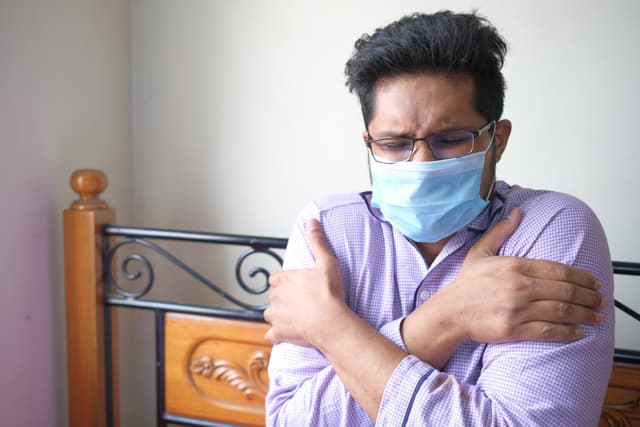
It is important to wear masks when pollution is high outside. Indulging in aerobic activities and indoor yoga can significantly improve immunity. Also, a person needs to have a healthy diet to protect their defence mechanism during excessive pollution.
Dr Nikhil Modi, Pulmonology Respiratory Medicine Specialist, New Delhi
Precautions and prevention
Preventing air pollution starts with small but mindful changes, both indoors and outdoors. At home, ensure proper ventilation, avoid smoking indoors, and limit the use of harsh chemical cleaners to reduce indoor air pollution. Using air purifiers and keeping indoor plants can also help improve air quality.
Outdoors, reducing vehicle use, opting for public transport or walking, and avoiding burning waste can make a positive impact. Wearing masks on high-pollution days and staying informed about air quality levels can further protect your health. By adopting these simple precautions, you can help minimise exposure to polluted air and contribute to a cleaner, healthier environment.
Key takeaway
So, air pollution is gradually rising in our cities and societies. The impacts from the same can induce gradual fatalities. It is important for us to take strict actions to ensure that we control this before it gets too late for us to thrive in this world.
Frequently Asked Questions
1. What are the main sources of indoor air pollution?
Combustion from fuels, VOCs, contaminants resulting from constructions, and allergens from pets and dust are some preliminary sources of indoor air pollution
2. What are the primary pollutants found in outdoor air?
Greenhouse gases like carbon dioxide, carbon monoxide, Sulphur dioxide, and methane are primary pollutants found in the outside air.
3. How does indoor air pollution affect our health?
Indoor air pollution can cause breathing issues, allergies, and even lung cancer in the long run.
4. What are the health effects of outdoor air pollution?
Outdoor air pollution can progressively develop asthma, COPD, and even allergies
5. Who is most vulnerable to the effects of air pollution?
Children, old people, and people from lower economic backgrounds are susceptible to air pollution
6. How can I improve indoor air quality in my home?
By using indoor plants and air filters, one can purify the air quality at home.
Share Article