

 Clinically Reviewed
Longevity
Ice Bath Therapy: Freeze Your Way to Better Health
Nov 20, 2025
•5 min read
Share Article

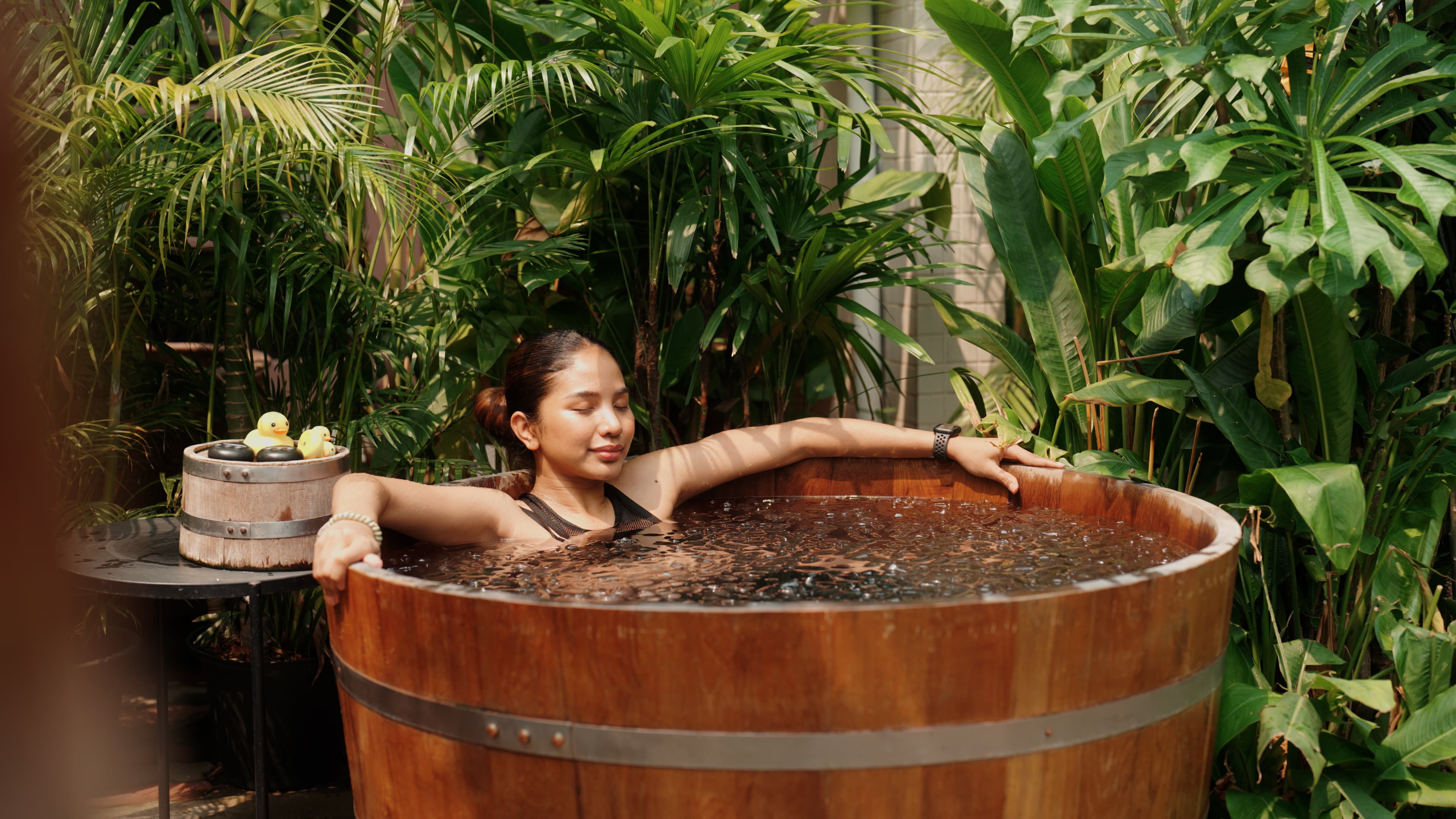
“Cold as ice” isn’t just a catchy phrase; it’s quickly becoming a proven method for enhancing overall health. Immersing yourself in ice bath therapy may start as a shock to the system, but many find it to be a powerful way to boost recovery, strengthen resilience, and promote longevity. What was once limited to athletes and adventurers is now gaining broader recognition as a valuable wellness practice.
This blog delves into the science behind ice tub therapy and highlights how regular cold exposure can revitalise your body and mind. Whether you’re aiming to enhance recovery or boost your long-term wellbeing, discover why this chilly ritual is gaining momentum in the health community.
What is ice bath therapy, and how can it support longevity?
For centuries, cold water immersion has been used in Nordic and Japanese cultures to promote healing and resilience. Today, it’s making waves in modern wellness circles for its role in reducing inflammation and speeding up muscle recovery. Typically, individuals submerge themselves in water between 5°C and 15°C for 2 to 20 minutes. This practice, known as ice bath therapy, is now being explored for more than just post-workout benefits. Some researchers believe it may support longevity by improving cardiovascular health, reducing chronic inflammation, and enhancing mitochondrial function.
It may also trigger autophagy, a natural process where the body clears out damaged cells, helping to maintain cellular health and function. As interest in cold plunge therapy grows, many experts suggest that brief exposure to cold water acts as a beneficial stressor, training the body to become more resilient over time. While more studies are needed, the early signs are promising.
For centuries, cold water immersion has been used in Nordic and Japanese cultures to promote healing and resilience.
How does cold exposure affect the body?
A 2025 systematic review of 11 studies involving 3,177 participants found that cold-water immersion can lower stress levels within about 12 hours, enhance sleep quality, and boost overall quality of life — though these benefits tend to be time-sensitive and most noticeable in the short term.
Feeling brave enough for a plunge into icy water? Beyond the initial shock, cold exposure sparks a cascade of powerful physiological responses that may benefit both body and mind. Here’s what happens when you embrace the cold.
- Activates the sympathetic nervous system
The sudden chill triggers your “fight or flight” response, leading to a spike in adrenaline, increased heart rate, and rapid breathing.
- Boosts circulation
Blood vessels constrict in the cold, then dilate upon warming, which can help improve overall blood flow and cardiovascular efficiency.
- Releases mood-enhancing chemicals
Exposure to cold can significantly increase dopamine and norepinephrine levels, which are linked to improved focus, mood, and reduced stress.
- Reduces inflammation and muscle soreness
One of the key reasons athletes turn to ice tub therapy is for its ability to ease post-exercise soreness and support muscle recovery.
- Supports immune system function
Some research suggests that regular cold water immersion therapy may increase white blood cell count, enhancing immune defence over time.
Exposure to cold can significantly increase dopamine and norepinephrine levels, which are linked to improved focus, mood, and reduced stress.
Potential benefits of ice bath therapy
Ice tub therapy offers a refreshing way to rejuvenate the body and mind. Here are the potential benefits that make it a must-try for wellness seekers.
- Reduces muscle soreness and speeds recovery
Cold exposure helps flush out metabolic waste and reduce inflammation, making it a go-to for athletes after intense workouts. This accelerated recovery means less downtime and a quicker return to peak performance.
- Improves circulation
The constriction and dilation of blood vessels during and after cold exposure may boost blood flow and support cardiovascular health. Over time, this enhanced circulation can contribute to healthier skin and improved organ function.
- Enhances mental clarity and mood
Cold exposure triggers a release of endorphins and dopamine, often leading to a noticeable mood lift and improved focus. Many people also experience increased alertness and a reduction in symptoms of anxiety and depression.
- Supports immune function
Some studies suggest that regular ice bath therapy can enhance immune responses by increasing white blood cell activity. This boost may help the body fend off infections and maintain overall health during times of stress or illness.
- Promotes better sleep
Many users report improved sleep quality after cold exposure, likely due to reduced stress and a drop in core body temperature. Better sleep supports cognitive function, mood regulation, and overall recovery.
- Stimulates fat burning
Cold exposure activates brown fat, which burns calories to produce heat, supporting metabolism and weight management. This process can also improve insulin sensitivity and aid in maintaining healthy blood sugar levels.
- Builds mental resilience
The controlled discomfort of cold exposure can train the mind to handle stress more effectively, both physically and emotionally. Over time, this can foster greater emotional balance and boost confidence in facing daily challenges.
Risks and precautions
While cold water and longevity are often linked through the potential health benefits, it’s important to approach cold exposure with caution. Sudden immersion in icy water can trigger a shock response, which may be risky for individuals with heart conditions or high blood pressure.
Gradually building tolerance is key when starting ice bath therapy, as overexposure can lead to hypothermia or other complications. Always listen to your body and consult a healthcare professional if you have underlying health concerns before trying cold water therapies.
Ease your body in by starting with water around 15°C, gradually lowering the temperature over time to build tolerance safely.
How to start cold water therapy safely?
Starting cold water therapy can feel daunting, but with the right approach, it becomes a refreshing and rewarding experience. Taking simple precautions ensures you reap the benefits of this powerful practice without unnecessary risks.
- Begin with cool, not icy, water
Ease your body in by starting with water around 15°C, gradually lowering the temperature over time to build tolerance safely.
- Limit your exposure time
For beginners, 1 to 2 minutes is plenty. Slowly increase the duration as your body adapts, aiming for a maximum of 10 to 15 minutes per session.
- Listen to your body
If you feel dizzy, excessively cold, or uncomfortable, exit the water immediately. Cold water therapy isn’t about pushing through pain but cultivating resilience.
- Maintain a regular routine
Consistency helps your body adapt. Start with 2-3 sessions per week and increase frequency as you grow more comfortable with ice tub therapy.
The coolest way to reset
In a world obsessed with comfort, choosing the cold is a quiet rebellion, and one that just might pay off. Ice bath therapy invites you to slow down, breathe deep, and tap into the body’s natural strength. It’s not about chasing longevity at all costs, but about feeling energised, clear, and fully alive right now. And sometimes, all it takes is a little plunge to feel the shift.
Frequently Asked Questions
1. What is ice bath therapy?
Ice bath therapy involves immersing the body in cold water (typically 5°C–15°C) to trigger physical and mental health benefits.
2. Can ice bath therapy really support longevity?
While research is ongoing, cold exposure may support longevity by reducing inflammation, improving circulation, and boosting cellular repair.
3. How long should you stay in an ice bath?
Beginners should start with 2–5 minutes, gradually increasing up to 10–15 minutes based on comfort and tolerance.
Share Article