

 Clinically Reviewed
Parenthood
Newborn Hiccups: Are They Normal & How to Stop Them Safely
May 27, 2026
•3 min read
Share Article

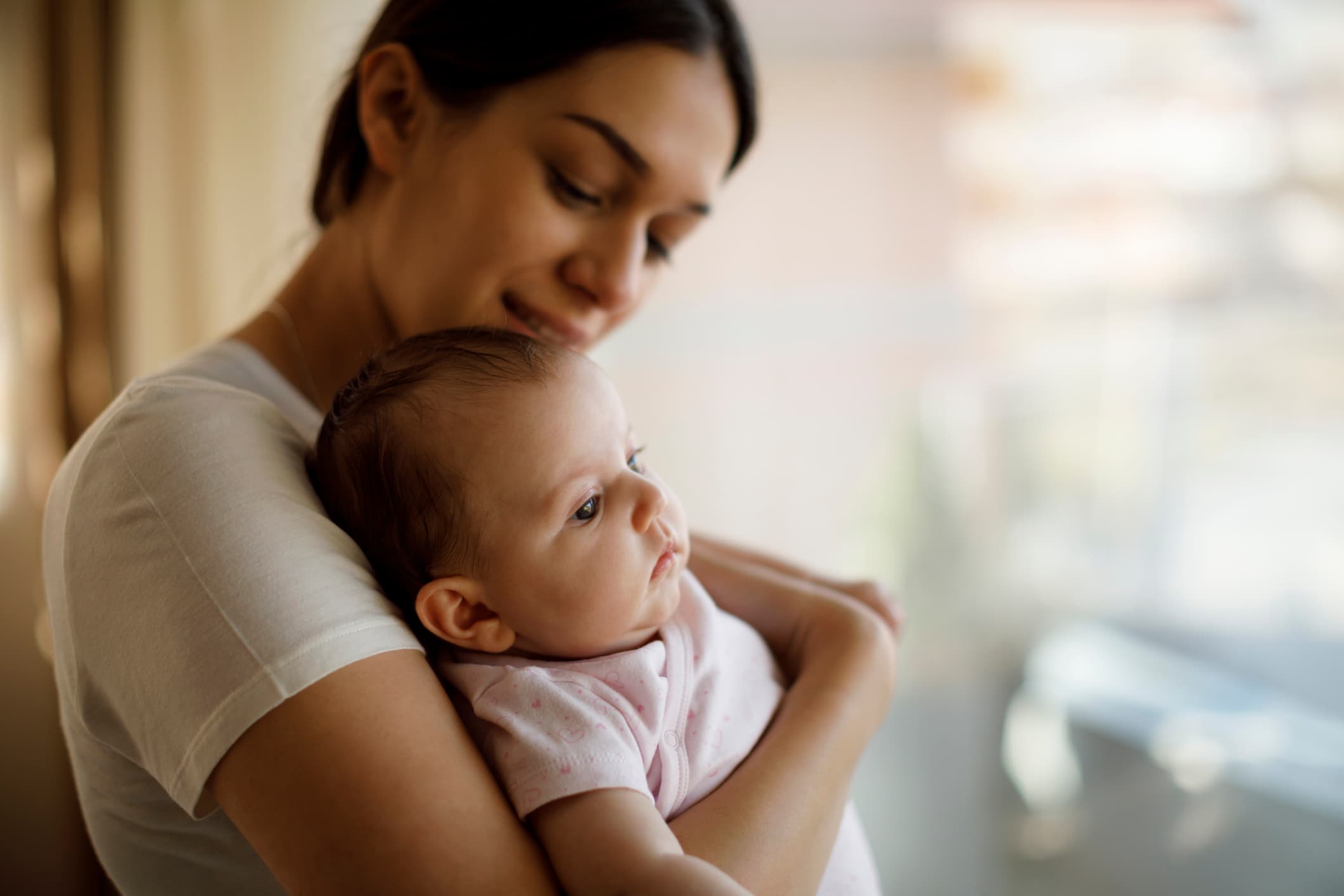
Newborn hiccups can seem worrying at first, especially for new parents, but they are usually completely normal and harmless. Many babies get hiccups within the first few days of life, often after feeding, waking up, or sometimes for no clear reason.
Hiccups happen when the diaphragm — the muscle that helps with breathing — contracts suddenly. This interrupts the normal breathing rhythm and causes the vocal cords to close quickly, creating the familiar "hic" sound.
In newborns, hiccups are most commonly linked to feeding. Babies may feed too quickly, swallow air, or drink more milk than their small tummy can comfortably handle, which can trigger hiccups. In most cases, newborn hiccups are harmless and settle on their own within 5–10 minutes.
Common causes of hiccups in newborns
- Swallowing air during breastfeeding or bottle feeding
- A full tummy pressing against the diaphragm
- Feeding too quickly or overfeeding
- Crying or excitement affecting breathing patterns
- Sudden temperature changes
- Gastroesophageal reflux (acid reflux) in some babies
Most hiccups are normal and do not need treatment unless they are frequent, prolonged, or make feeding difficult.
As the stomach fills, it can press against the diaphragm, triggering hiccups in babies.
Why do newborn hiccups occur after feeding
Hiccups after feeding are very common in newborns. During feeding, babies may drink milk too quickly, swallow air, or feed more than their tiny stomach can comfortably hold. As the stomach stretches, it can press against the diaphragm and trigger hiccups. Mild reflux can also sometimes contribute.
During feeding, babies may:
- Swallow milk and air together
- Feed too quickly when very hungry
- Have a small stomach that fills up rapidly
Although many parents worry that hiccups mean overfeeding, they are usually a normal response to a full tummy or swallowed air.
How to manage and stop newborn baby hiccups
Newborn hiccups are usually harmless and settle on their own within a few minutes. However, a few gentle steps may help soothe your baby:
- Hold the baby upright after feeding to support digestion
- Pause during feeds for burping breaks
- Burp the baby gently by rubbing or patting their back
- Feed slowly in a calm, quiet environment
- Adjust feeding techniques to reduce air swallowing
- Avoid active play immediately after feeding
In most cases, hiccups improve naturally without any treatment.
Holding the baby upright helps digestion and may reduce pressure on the diaphragm.
Effective ways to prevent newborn hiccups
Newborn hiccups are common and usually harmless, but a few simple feeding habits may help reduce how often they happen.
Helpful tips include:
- Feeding the baby in a calm, quiet environment
- Keeping feeds slow and steady
- Taking short burping breaks during feeds
- Holding the baby upright for some time after feeding
- Avoiding sudden exposure to cold air
Even with these measures, hiccups can still happen because a newborn's digestive system is still developing.
What to avoid when treating newborn hiccups
Many home remedies for baby hiccups are unsafe and should be avoided. Parents should never:
- Try to frighten or suddenly shock the baby
- Press on the baby's tummy
- Give water to babies below 6 months
- Use forceful methods to stop hiccups
Gentle comfort, patience, and time are usually the safest and most effective approach.
When to see a paediatrician for frequent hiccups
Most newborn hiccups are harmless. However, parents should speak to a paediatrician if:
- The baby seems uncomfortable or in pain
- Feeding regularly becomes difficult
- Hiccups last unusually long
- There is constant crying or back arching
- The baby has frequent spit-ups or signs of reflux
- Hiccups happen very often or continue for days or weeks
Persistent or excessive hiccups may occasionally point to an underlying issue and should be medically evaluated.
Frequently Asked Questions
1. What can be done to prevent hiccups in infants?
Most hiccups stop on their own, but there are ways to prevent hiccups. Holding the baby upright during and after feeding, feeding slowly and calmly, and giving the baby time to settle can all help.
2. Does a baby's hiccup mean they are overfed?
Not always. Newborn hiccups are very common and usually happen because the baby has swallowed some air during feeding or has a full tummy. Hiccups do not automatically mean the baby has been overfed.
3. Can a baby sleep with hiccups?
Yes, it is generally safe to put a baby down to sleep with hiccups if they seem calm and comfortable. In most cases, hiccups stop on their own without disturbing the baby.
Share Article