

 Medically Reviewed
Parenthood
Postnatal Exercise: Benefits, Types, Purpose & How to Get Started
May 26, 2026
•7 min read
Share Article

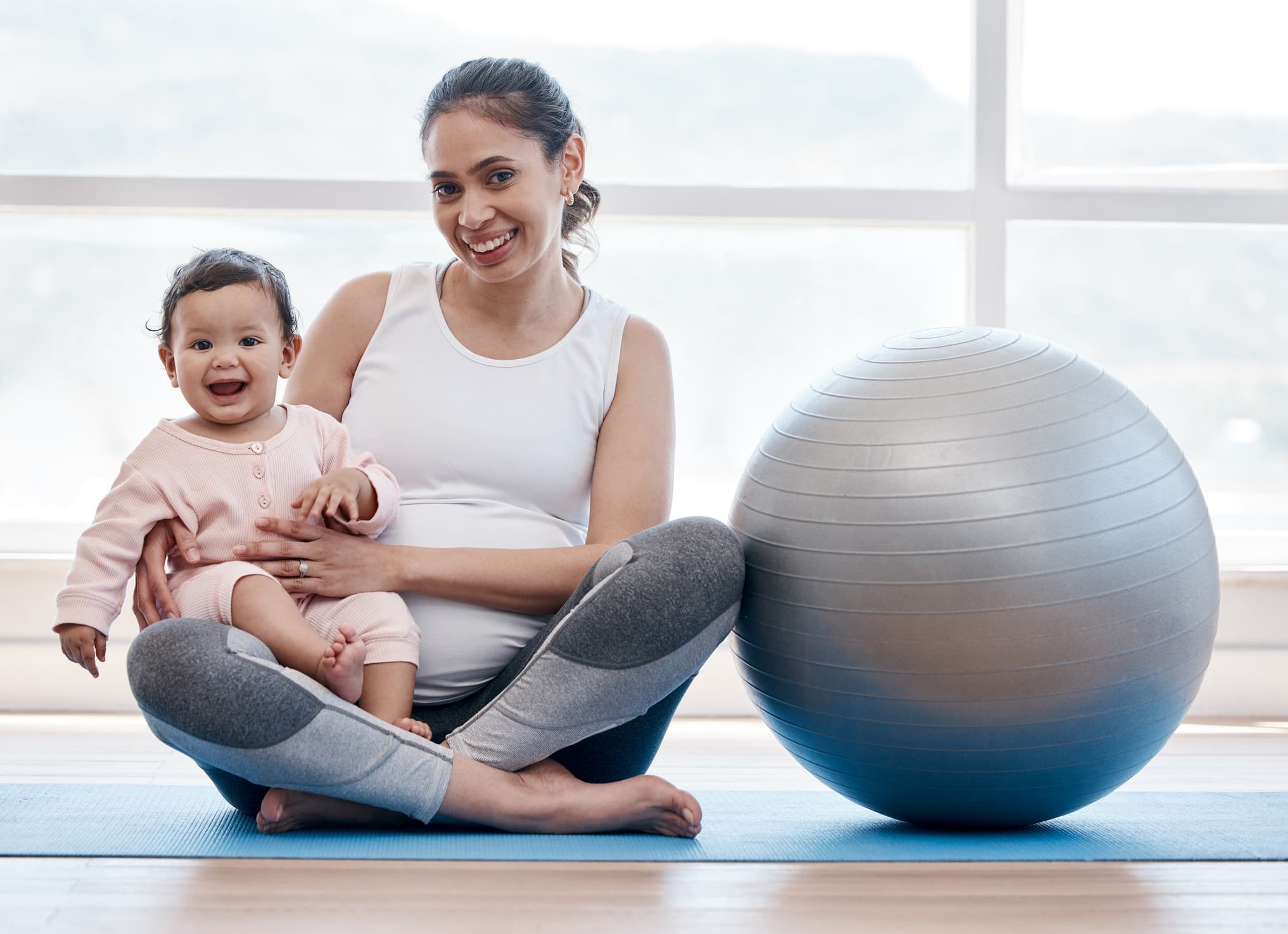
Your body has just done something extraordinary. Over the past nine months, it has grown, carried and delivered a new life, and that is no small achievement. Yet once the congratulations fade and reality settles in, many new mothers begin to notice the physical toll. An aching back, weakened core muscles, heavy limbs, and energy levels that feel permanently on low battery can quickly become part of daily life.
Somewhere between sleepless nights and nappy changes, another question quietly surfaces: Is it safe to start exercising again? And where do I even begin?
Postnatal exercise is not about rushing back to your pre-pregnancy shape or squeezing into old jeans. It is about recovery, restoration and rebuilding. It focuses on healing your body, regaining strength, improving posture, supporting your mental wellbeing, and helping you feel like yourself again, gradually and safely.
Dive into this blog to understand the benefits of postnatal exercise, the right time to begin, suitable types of workouts, and how to start safely and confidently.
What is postnatal exercise, and why does it matter?
Postnatal exercise can be described as guided physical exercises that are safe and conducted after childbirth. It is aimed at regaining and restoring strength slowly.
During pregnancy, your body changes in ways that are not always visible:
- Abdominal muscles stretch
- Pelvic floor muscles weaken
- Posture shifts forward
- Hormones loosen ligaments
- Core stability reduces
Postnatal exercise can be described as guided physical exercises that are safe and conducted after childbirth.
Purpose of postnatal exercise after childbirth
Postnatal exercise serves a restorative purpose before it becomes about fitness. One of the primary areas of focus is the pelvic floor. These muscles support the bladder, bowel and uterus, and can become stretched or weakened during pregnancy and birth. Strengthening the pelvic floor helps prevent urinary leaks and improves overall core stability.
Equally important are the deep core muscles, particularly those that stabilise the spine and pelvis. The hips and gluteal muscles also require attention. These muscles support walking, bending and lifting, activities that quickly become part of daily life with a newborn. Improving circulation is another important goal. Gentle movement encourages healthy blood flow, helps reduce swelling in the legs and feet, and supports overall recovery.
Key benefits of postnatal exercise for mothers
The benefits of postnatal exercise go beyond physical appearance. The following are some of the major benefits of postnatal exercises.
- Improved pelvic floor strength
Regular pelvic floor exercises can strengthen the muscles that support your bladder and uterus. In the long term, this reduces urinary leakage and enhances muscle control. Better stability is also provided by stronger pelvic muscles during day-to-day activities such as walking, lifting, and bending.
- Better posture
Rounded shoulders and strain on the back are prevalent during pregnancy and feeding positions. The upper back and core are the areas that should be strengthened to bring your posture back on track. This decreases the tension in the neck, shoulders and lower back in the routine.
- Reduced aches
Light strengthening exercises help the hips and the lower back, which experience additional stress following childbirth. As the muscles become stronger, daily movements become less painful and smoother. Minor changes in muscle balance can greatly eliminate persistent pain.
- Mood boost
Light exercise promotes the release of endorphins, commonly termed feel-good hormones. These assist in controlling mood and curbing stress in hormonal changes in the postnatal period. Even brief exercise can enhance emotional state and clarity of mind.
- Gradual return of stamina
Fatigue within the postpartum period is a usual phenomenon, and the energy levels might seem inconsistent. Frequent movement aids in re-establishing endurance at a slow and safe rate. Even though it can be exhausting initially, regular physical activity will help in both energy and strength in the long-run.
Regular pelvic floor exercises can strengthen the muscles that support your bladder and uterus.
When to start postnatal exercise safely
One cannot find a universal schedule. In the case of vaginal deliveries, simple breathing exercises and exercises on the pelvic floor can be practised within days, as long as it is comfortable.
When giving birth surgically, the abdomen takes a longer time to heal, and medical clearance is significant before core work. Most medical care providers recommend:
- Early gentle pelvic floor activation
- Waiting until around six weeks for structured workouts
- Stopping if pain, heavy bleeding, or dizziness occurs
Types of postnatal exercise to try
Different stages require different types of postnatal exercise.
- Pelvic floor exercises
Every postnatal mother requires these because they restore the muscles that hold up the bladder and uterus. Slow, repetitive contractions are effective with time because this enhances strength and stability.
- Breathing and deep core activation
These are the exercises that trigger the deep abdominal muscles after giving birth and bring them closer together and stronger. They enhance the stability of the core without straining the healing tissues.
- Walking
One of the easiest and safest postnatal exercises is walking. It enhances blood flow, helps one feel better, and slowly restores energy levels.
- Gentle stretching
Stretching helps relieve stiffness in the calves, hips, and shoulders. It also improves flexibility and reduces daily muscle tension.
- Light resistance training
Simple bodyweight exercises are safe and used to regain muscle strength once medically approved. Slow resistance leads to endurance and helps to maintain daily motion.
Light exercises for immediate postpartum recovery
During the initial weeks, less is more. Diaphragmatic breathing is an easy beginning. Sit comfortably. Take a deep breath, swell your belly. Breathe out as you squeeze the pelvic floor. Deep core is activated by pelvic tilts in a lying position and without strain. Little strolls around your house are also helpful for circulation.
One of the easiest and safest postnatal exercises is walking. It enhances blood flow, helps one feel better, and slowly restores energy levels.
Strengthening and core workouts for later stages
Medical clearance should then be followed by a gradual strengthening procedure. Glute bridges improve the hip and lower back support. Adjusted knee planks are involved in the core in a safe manner.
Bodyweight squats restore lower-body lifting and carrying strength. Resistance band rows enhance posture and shoulder stability. Avoid sit-ups, crunches, and double-leg raises until diastasis recti — a separation of the abdominal muscles common after pregnancy — has been assessed by a women's health physiotherapist and adequately closed. Progress at your own pace.
Postnatal exercise tips for breastfeeding moms
Breastfeeding mothers can safely include exercise in their routine, provided they take a few simple precautions.
- Mostly, it is safe to exercise during the time of breastfeeding, but comfort is an issue.
- Eating prior to exercising can alleviate pain. A supportive sports bra will help to avoid strain.
- Hydration is essential. Fluid requirements are increased with breastfeeding.
- Exercise of moderate intensity does not lower the milk supply in the majority of women.
Common mistakes to avoid during postnatal exercise
Certain common mistakes can delay recovery or lead to unnecessary setbacks after childbirth, as the body is still in the process of healing and regaining strength.
- Repeatedly performing high-intensity workouts too soon before your muscles and pelvic floor are back on their feet can add to the danger of strain or injury.
- Neglect of pelvic floor exercises with the onset of general strength training, even though such deep support muscles should be actively trained and focused on regularly.
- Measuring your time to get back on track against others, and being made to feel that you should be healing more quickly than other bodies do naturally after giving birth.
- Working out with acute or consistent pain rather than stopping and evaluating the problem, since pain is usually one of the indications that the body requires a break or revision.
When to get medical clearance before exercising?
Seek medical advice if you:
- Had a surgical birth
- Experience heavy bleeding
- Notice severe abdominal separation
- Feel pelvic pressure or pain
- Have dizziness or weakness
It is always safer to get an opinion.
Conclusion
Postnatal exercise is not concerned with recovery. It is about building forward. Something extraordinary has been done with your body. It is to be taken care of, not at a jump. Start small. Move gently. Rest when needed. There are days when you will feel energised. There are other days you will feel so exhausted. That is normal. Healing is not linear. The postpartum strength is different. And that is perfectly okay.
Frequently Asked Questions
1. What is the best exercise to do after giving birth?
The safest and most effective exercises that should commence in the aftermath of childbirth are pelvic floor exercises and low-intensity walking. They facilitate internal repair, enhance the blood flow and slow but surely assist in restoring the strength without straining recovering muscles and joints.
2. Is walking a good postpartum exercise?
Yes, postpartum walking is a good exercise since it is not intense and can be modified according to the levels of energy. It enhances blood circulation, boosts emotional health, and aids in the recovery of stamina at a slow pace without overworking the body.
3. Which postpartum core exercises are safe?
Core movements such as breathing exercises, pelvic tilts, glute bridges, and modified planks are generally safe to do, provided they are medically cleared. These exercises are gentle workouts of deep abdominal muscles without straining the healing tissues and sensitive body parts.
Sources:
Share Article