
 Clinically Reviewed
Female Reproductive Health
Spotting the Signs: Perimenopause or PCOS
Dec 17, 2025
•6 min read
Share Article

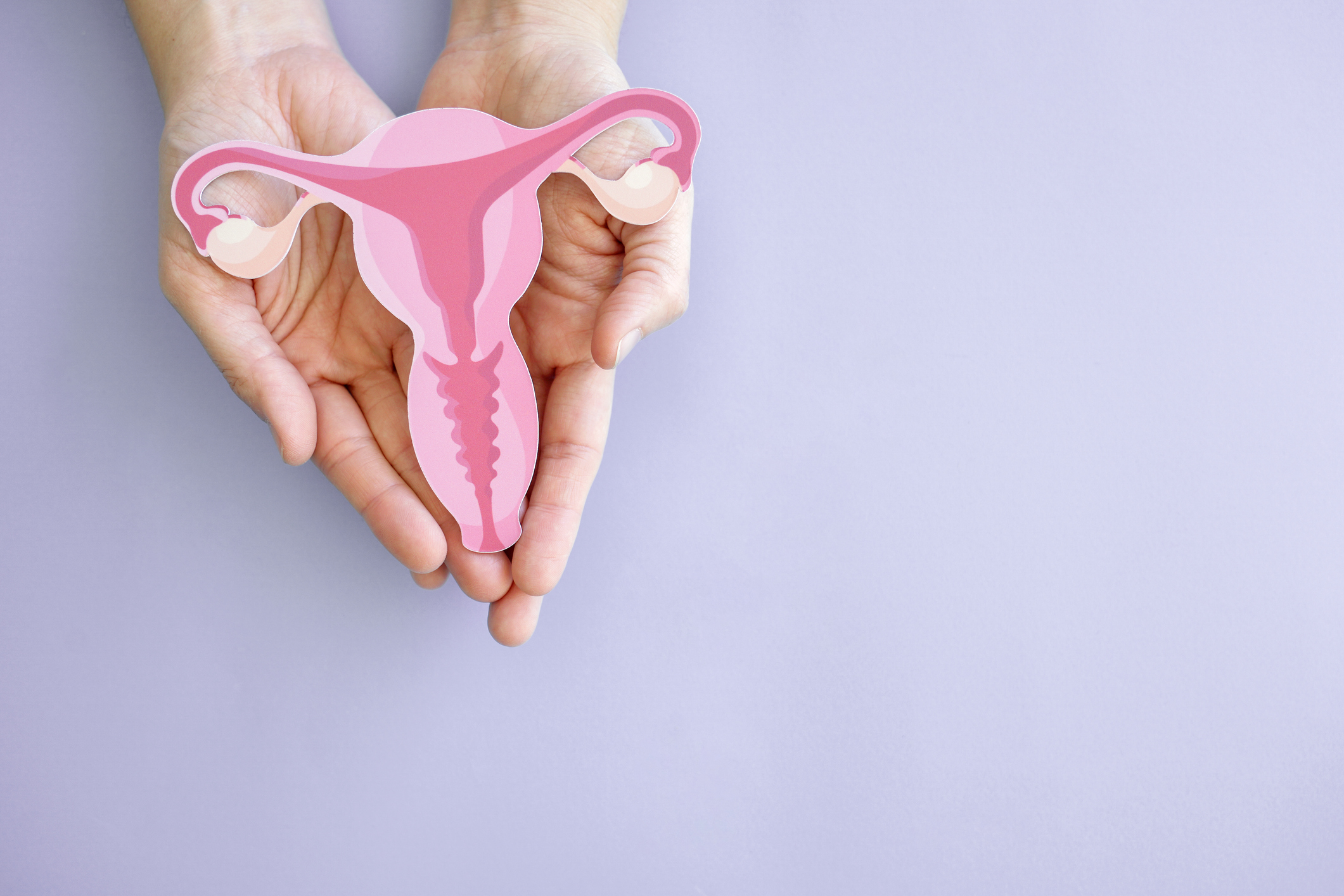
Women face confusing hormonal changes during the menopause, and this causes a combination of PCOS during the perimenopause and the normal symptoms of perimenopause.
The shift in perimenopause hormone levels may result in irregular periods, mood swings, and body alterations, and the hormonal condition has many similar signs.
Considering the same, this blog discusses changes in the perimenopause period, their comparison with long-term hormonal imbalance, and why understanding the differences can help enhance lifestyle, metabolic, and preventive treatments in this significant stage of life.
Overlapping symptoms between perimenopause and PCOS
Perimenopause is the stage leading up to a woman’s final menstrual cycle. It begins when the ovaries become less responsive, causing a gradual decline in hormone production. As a rule, the initial observable symptom is a change in the perimenopause periods. For example, cycles can be shorter or longer than normal, intermittent periods can vary in length, and menstrual flow can be altered.
This condition is usually known as polycystic ovary syndrome (PCOS), as it is marked by hormonal imbalance and alteration in the menstrual cycles. Some characteristic aspects include irregular or missing periods.
Key overlapping features include:
- Menstrual alterations: Both can cause irregular periods, missed menstrual periods or hematuria.
- Hormonal symptoms: Both can be associated with hormonal imbalances, but the causes differ.
- Metabolic and weight-related: Both can be associated with increased weight or alterations in the way the body processes glucose/insulin (especially in hormonal conditions).
Quick Fact
The period preceding the ultimate menstrual cycle of the reproductive life of a woman is known as perimenopause.
How to tell them apart?
Although overlapping is high, some features can distinguish between PCOS in perimenopause and those that are caused by perimenopause alone.
- Timing and history
In case an individual had a long history of cycle abnormalities, inability to ovulate easily, or the hormonal condition was diagnosed, it implies that the hormonal condition is before or coincides with the period of menopause transition.
- Menstrual pattern nuances
The hormonal condition is characterised by either long periods between cycles or regularly missed cycles because of ovulatory failure. During perimenopause, the change is more gradual and eventually ceases: cycles can become shorter or longer, lighter or heavier, but there is a tendency to permanently cease.
- Hormonal context
Perimenopause hormone levels are marked by declining oestrogen production and erratic ovulation. The hormonal disorder is associated with chronic hormonal imbalance, and ovulation may be regularly missed even at a younger age.
Why the distinction matters
It is important to know whether a woman is having the symptoms of perimenopause alone or along with PCOS in the state of perimenopause due to some medical and lifestyle factors.
- Management and care approaches differ
Perimenopause is a natural, time-bound change, and the management usually concentrates on lifestyle changes and alleviating symptoms. Conversely, the hormonal condition is a chronic endocrine illness that requires metabolic and cardiovascular health to be followed over a long period.
- Long-term health risks vary
The hormonal condition may also predispose women to more metabolic problems, including increased cardiovascular risk and insulin resistance. Recognising PCOS during the perimenopause stage will be possible with earlier detection of PCOS through diet, exercise, and regular medical check-ups.
- Problems can be hidden by misdiagnosis
When irregular periods and perimenopause symptoms are attributed solely to age-related hormonal changes, ongoing hormonal imbalances may go unnoticed. Conversely, focusing only on hormone levels can make it easy to overlook signs of perimenopause and its related health changes.
- Emotional and reproductive planning implications
Women between 30-40 years with the change in the cycles can be confused with fertility and future planning. Separating perimenopause and the hormonal condition will aid in creating realistic expectations about ovulation trends and reproductive options.
- Prevention measures of lifestyle are different.
Both conditions benefit from maintaining a healthy weight, staying active, and eating a balanced diet, although the focus for each may differ. As an example, during PCOS in perimenopause, it is important to control metabolic factors, whereas during perimenopause, it is important to support the bones and the cardiovascular system.
Quick Explainer
Women aged 30–40 may confuse cycle changes with fertility issues; distinguishing perimenopause from hormonal conditions helps set realistic expectations for ovulation and reproductive planning.
Lifestyle and preventive health considerations
Regardless of whether it is mainly the perimenopause or the hormonal state, there are some lifestyle and preventive health measures which are of paramount importance.
- Balanced diet:
A good balance of whole foods, vegetables, whole-grains and lean protein with a limited intake of processed sugars and saturated fat is suggested in both cases. The hormonal condition focuses on healthy eating to minimise the risk of metabolic disease.
- Monitoring cycles and symptom awareness:
It is possible to note the alterations in periods of perimenopause, whether the flow is heavier or lighter, whether certain symptoms are present (mood swings, sleep alteration, metabolic signals), and so on, which may allow one to see whether the changes have to be attributed to the perimenopause itself or to the ongoing hormonal trend. - Sleep, stress, and mental well-being:
Disordered sleep, elevated anxiety, or mood swings are typical of this period of life. Good sleep hygiene can facilitate adjustment.
Quick Tip
A diet rich in whole foods, vegetables, whole grains, and lean protein, with limited sugar and saturated fat, helps manage PCOS and perimenopause.
When to consult a doctor?
Although most of the women go through the perimenopause conditions without the necessity of extreme treatment, there are certain cases in which consultation can be suggested.
- If irregular periods or changes in cycles that are largely new, frequent, or heavier than anticipated are due to perimenopause.
- In case there is a history of the identified hormonal condition, and the new changes emerge in the course of the perimenopause years (i.e., PCOS during perimenopause), a consultation with a healthcare professional will guarantee the coordination of care.
- Should the passage of blood the perimenopause period after menopause (i.e., bleeding after one year of amenorrhoea) be unexpected and thus need to be assessed
- In case perimenopause symptoms that include hot flushes, sleep disturbance, or mood changes are proving to be a significant deficit to quality of life.
Managing PCOS as you approach menopause
It is imperative, but not always easy, to differentiate between the symptoms of perimenopause and a hormone-related condition like PCOS, but one must be able to do so during the period of perimenopause.
The acknowledgement of alterations in perimenopause years, the monitoring of irregular periods, the realisation of how perimenopause levels of urine vary, and the awareness of old cycle anomalies can influence informed decision-making. Through proper lifestyle and preventive decisions, and professional consideration at the right time, women will be able to pass through the transition more tangibly and confidently.
Frequently Asked Questions
1. What were the changes during periods that may indicate perimenopause instead of the hormonal condition?
Period changes denoting perimenopause are a gradual reduction in length or flow of the cycle and the time between the two cycle is prolonged and eventually ceases, whereas the hormonal condition can be characterised by a long-term cycle abnormality, frequently with no ovulation and an increased amount of interbleed interval.
2. Is it possible that a hormonal condition may persist even after the last period?
Yes, the hormonal condition does not just disappear after the last period takes place. Certain features continue into the post-reproductive years, but in a modified version.
3. Is it appropriate to rely on hormone level tests to distinguish perimenopause and the hormonal condition?
No - in perimenopause, levels of hormones vary, making tests unreliable; symptoms, history, and cycle pattern along with hormonal profile is are the most reliable methods for to rely on during diagnosis.
Share Article