
 Medically Reviewed
Hormonal Health
PCOS and Insulin: What You Should Know
Aug 28, 2025
•6 min read
Share Article


More and more people in India are becoming aware of polycystic ovary syndrome (PCOS), thanks to the efforts of celebrities including Sonam Kapoor and Shruti Haasan, who have spoken out about their personal experiences. This has helped change the discourse and raised awareness about the high prevalence of the condition, but misconceptions persist. Although prevalence rates of PCOS in parts of India are now as high as 35%, many people regard PCOS solely as a reproductive disorder that can affect fertility. In reality, PCOS can be far more insidious because of its complicated connection with insulin resistance.
In this blog, we’ll break down the connection between PCOS and insulin resistance, exploring what causes it, how to spot the symptoms, and what you can do through diet and lifestyle. We’ll also share a simple meal plan to help support better hormone and blood sugar balance.
What is insulin resistance in PCOS?
Insulin is a hormone that your pancreas produces to help your body utilise glucose as an energy source. When you have PCOS, the pancreas continues producing insulin, but the metabolic pathways that react to it no longer function properly. This is called insulin resistance, and it is a characteristic feature of PCOS, with more than 70% of all women with the condition developing insulin resistance.
This is highly concerning as the sluggish response to insulin causes glucose levels to rise since it is no longer being used efficiently for energy. This rise in glucose levels is termed hyperglycaemia, and if not recognised and dealt with early, it progresses to diabetes.

70%
Insulin resistance is a characteristic feature of PCOS, affecting more than 70% of women with the condition.
Signs & symptoms of PCOS-related insulin resistance
PCOS insulin resistance develops slowly, and there may be no visible symptoms until the condition progresses significantly. This is why routine screening and checks for glucose levels are important when you have PCOS. If symptoms do appear, they can include skin darkening and the formation of skin tags. As insulin resistance increases and progresses towards diabetes, you may notice the following PCOS insulin resistance symptoms :
- Skin changes: Darkening of the skin, especially around the neck, underarms, or groin (a condition known as acanthosis nigricans), is often one of the earliest visible signs.
- Persistent food cravings: Women with PCOS-related insulin resistance often experience strong cravings for sugary or high-carbohydrate foods. This is partly because insulin affects hunger and satiety signals, leading to increased appetite and difficulty feeling full.
- Unexplained fatigue: You may feel constantly tired or run down, even after a full night's sleep. This can be due to fluctuating blood sugar levels and the body’s inefficient use of energy.
- Frequent urination: As insulin resistance progresses and blood sugar levels rise, the kidneys work harder to flush out the excess glucose, which can lead to increased urination.
- Excessive thirst and dry mouth: Linked to frequent urination, you may notice you're drinking more fluids than usual due to dehydration caused by the body losing more water through urine.
- Weight gain or difficulty losing weight: Insulin resistance promotes fat storage, particularly around the abdomen, and makes weight management more challenging, even with diet and exercise.
How to know if you have insulin resistance
In many cases, insulin resistance develops silently, with little to no obvious symptoms in the early stages. This is particularly true for those with PCOS, where insulin resistance is common but may go unnoticed for years. Unfortunately, there is no reliable way to identify insulin resistance without medical testing, which is why regular screening is strongly advised for anyone diagnosed with PCOS. Doctors typically recommend checking fasting blood glucose levels to assess how your body processes sugar.
Early detection is key. Identifying insulin resistance before it progresses allows for timely intervention through diet, exercise, weight management, and sometimes medication. These measures can help restore insulin sensitivity, reduce the risk of developing type 2 diabetes, and improve other PCOS symptoms, such as irregular periods, acne, and difficulty losing weight.
How insulin resistance worsens PCOS symptoms
PCOS and insulin resistance can form a vicious cycle as PCOS increases the risk of insulin resistance, which in turn exacerbates PCOS symptoms. This is because of a cascading effect starting with reduced sensitivity to insulin, which triggers your body to increase insulin production. This results in elevated levels of insulin, which affects your hormonal balance, stimulating the ovaries to produce more male hormones like testosterone. This is why PCOS is often characterised as a hormonal disorder.
As a result of the imbalance in hormones, the normal process of ovulation is affected, leading to irregularities in the menstrual cycle. This is why irregular or missed periods are one of the most common symptoms associated with PCOS. These changes can also increase the formation of cysts in the ovaries and cause other symptoms like excess body hair growth, acne, and infertility.
PCOS and insulin resistance can form a vicious cycle as PCOS increases the risk of insulin resistance, which in turn exacerbates PCOS symptoms.
PCOS insulin resistance diet plan
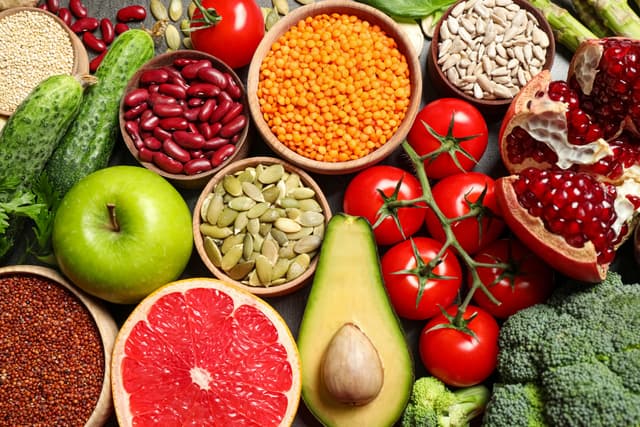
The most important consideration in any PCOS insulin resistance diet plan is the glycaemic index, as this is a rating system that measures how quickly carb-containing foods raise glucose levels. Whole or unprocessed carbohydrate sources, including non‑starchy vegetables, legumes, and whole grains, have lower glycaemic values, making them ideal additions to a PCOS insulin resistance diet. At the same time, healthy sources for protein and fat include fish, poultry, nuts, and seeds, while red meats and processed meats should be avoided. It’s also important to limit portion sizes, instead opting for smaller and more frequent meals, as this enhances insulin sensitivity and reduces the risk of spikes in blood sugar levels.
Lifestyle tips to improve insulin sensitivity
Below are a few lifestyle tips that can improve insulin sensitivity and help manage insulin resistance associated with PCOS.
- Exercise and physical activity play a crucial role in improving insulin sensitivity and reducing resistance. Make it a point to get at least 150 minutes of moderate-intensity aerobic exercise (brisk walking, cycling, swimming) every week, while engaging in weight training at least three times a week.
- If you are above the healthy weight range for your height, try to limit your caloric intake so that you’re burning more calories than you consume. Along with exercise and a low-glycaemic diet, this can help significantly, as research shows that just a 10% reduction in body weight can double sensitivity to insulin.
- Try to give yourself regular breaks and downtime to relax, as stress is known to exacerbate insulin resistance and PCOS symptoms. In addition to taking some time off for yourself every day, learn to practise relaxation techniques such as meditation and deep breathing exercises to manage everyday stress more effectively.
- Inadequate and impaired sleep is associated with an increased risk of diabetes, with research showing that getting inadequate sleep for just four to five days can reduce insulin sensitivity by as much as 30%.
- Quit smoking tobacco as it is associated with an increased risk of diabetes and related complications. Similarly, excessive alcohol consumption can reduce insulin sensitivity, making it important to only drink in moderation.
Exercise and physical activity play a crucial role in improving insulin sensitivity and reducing resistance.
What matters in the end
Although a diagnosis of PCOS and insulin resistance can feel overwhelming, the condition can be managed effectively if diagnosed and treated swiftly. With lifestyle modifications, dietary changes, and medications if required, insulin sensitivity can be kept under control to prevent diabetes and other complications.
Frequently Asked Questions
1. Is insulin resistance reversible?
Yes, insulin resistance is reversible when detected and dealt with early, making it possible to prevent diabetes.
2. Does having PCOS and insulin resistance mean I will get diabetes?
No, although PCOS and insulin resistance are associated with an increased risk of diabetes, the condition can be prevented with early intervention, including diet, exercise, and medication.
3. Does weight management help PCOS insulin resistance?
Yes, losing just 10% of excess body weight has been found to double insulin sensitivity, making it one of the best strategies to manage insulin resistance.
Sources:
Share Article