

 Medically Reviewed
Longevity
The Green Cure: Gardening for Health and Longevity
Nov 25, 2025
•6 min read
Share Article

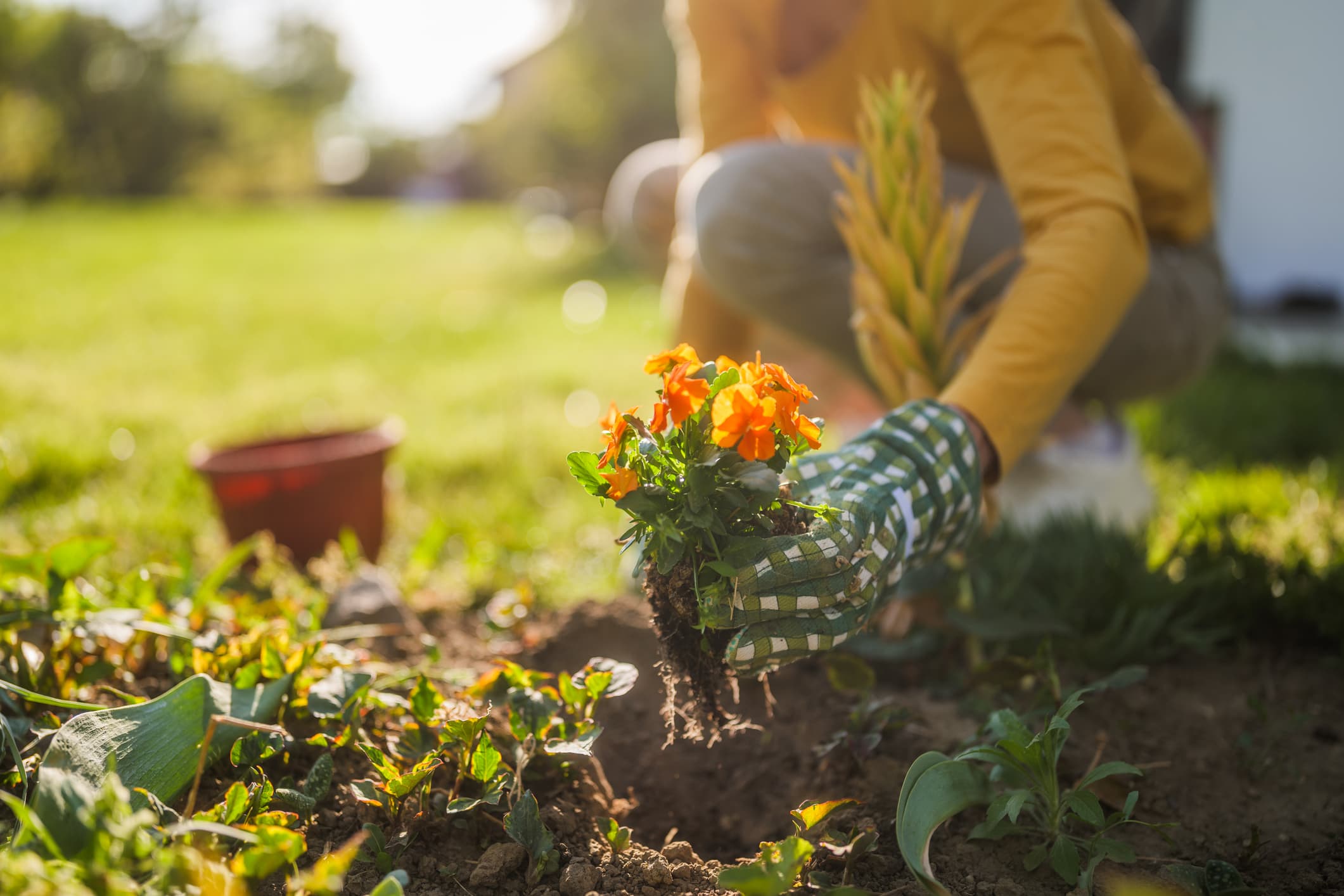
Remember the first time you planted a seed and watched it slowly grow, or the smell of fresh soil after a rainy day in the garden? Those simple moments carry a sense of wonder and calm that stays with us. Today, science is uncovering that these small joys are more than fleeting pleasures; gardening and longevity are connected in ways that support both body and mind, helping us live fuller, healthier lives.
Furthermore, the rewards go beyond nostalgia. The health benefits of gardening range from physical activity and better cardiovascular health to stress relief, improved mood, and even stronger social bonds. This blog dives into the science, practical tips, and insights behind why spending time in the garden can be one of the most effective ways to nurture your well-being and add years and quality to your life.
Gardening and longevity: The science behind the connection
The powerful link between gardening and longevity is no longer just an old gardener’s tale; it’s now backed by science. A 2025 cross-sectional study involving 386 adults aged 30-98 found that those who gardened daily had a 43% lower likelihood of experiencing poor health outcomes, such as anxiety or physical limitations, compared to individuals who did not garden daily. Studies have also found that gardening significantly boosts outcomes related to depression, anxiety, metabolism, and overall life satisfaction, proving that the humble act of nurturing plants can also nurture our health.
What makes this so remarkable is how many different pathways gardening engages at once. It offers gentle but consistent physical activity, encourages healthier eating through home-grown produce, reduces stress by connecting us with nature, and fosters social engagement and cognitive stimulation. These combined effects form the foundation of the health benefits of gardening, transforming it from a simple leisure activity into a powerful tool for long-term wellness. So, whether you’re digging, planting, or simply enjoying the scent of the soil, every moment in the garden is an investment in a longer, healthier life.
Research reveals that people who regularly spend time tending to their gardens enjoy measurable improvements in both physical and mental well-being.
Physical health benefits of gardening
When it comes to gardening and longevity, the evidence is clear: spending time in the garden is one of the simplest and most enjoyable ways to stay physically active and maintain long-term health. Here are some of the most powerful ways it supports your physical well-being:
- Cardiovascular health
Regular moderate activity in the garden can do wonders for your heart. Tasks like digging, weeding, and raking improve circulation, strengthen the cardiovascular system, and help reduce the risk of heart disease and high blood pressure.
- Weight and metabolic health
Gardening can aid in managing weight and regulating metabolic markers such as BMR and cholesterol levels. Research shows that community gardeners increase their physical activity by around 42 minutes a week and consume more fibre, both key factors in lowering the risk of chronic diseases.
- Muscle strength and flexibility
Gardening naturally involves bending, stretching, lifting, and reaching. These movements engage multiple muscle groups, helping to maintain strength and coordination, all essential for preventing falls and preserving mobility as we age.
- Overall fitness and energy
One of the lesser-known benefits of gardening is its ability to increase stamina and overall energy levels. Even light garden work gets the blood flowing and encourages better posture, breathing, and endurance over time.
Gardening can aid in managing weight and regulating metabolic markers such as BMR and cholesterol levels.
Mental health benefits of gardening
The connection between gardening and longevity goes far beyond physical well-being; it also nurtures the mind. Here’s how gardening supports mental wellness:
- Stress relief and relaxation
The benefits of gardening for mental health are many. It has a calming, meditative quality that helps lower cortisol levels and calms the mind. Research consistently shows that regular gardeners experience lower rates of depression and anxiety, higher life satisfaction, and a greater sense of purpose compared to non-gardeners.
- Mood enhancement
Spending time in green spaces releases endorphins and serotonin, often called the “feel-good” chemicals, which help lift mood and reduce anxiety or mild depression.
- Cognitive health and memory
Gardening keeps the brain active by requiring planning of layouts, remembering plant care routines, and solving practical gardening challenges. This is a key part of the benefits of gardening for mental health.
- Social connection and belonging
Joining community gardens or local gardening groups encourages social interaction, which is essential for mental resilience and emotional well-being.
Gardening for seniors: Staying active and engaged
Gardening for seniors offers a practical way to stay active, maintain balance, and remain socially engaged, all vital for healthy ageing. Research shows that older adults who garden report better physical function, enhanced mood, and stronger connections, especially in community gardening settings.
Using raised beds, containers, and ergonomic tools reduces strain, while short, regular sessions are more effective than intense effort. Joining garden clubs or shared allotments adds social interaction, accountability, and a sense of purpose. Over time, these practices demonstrate how gardening and longevity go hand in hand, supporting both physical health and mental well-being in later life.
Social longevity benefits of gardening
Gardening can bring people together in ways few other activities do. Community gardens, allotments, and garden clubs provide spaces for conversation, collaboration, and shared achievement, reducing isolation and fostering a sense of belonging. These interactions often encourage regular participation, helping gardeners stay active and engaged over time.
Beyond the social connection, the health benefits of gardening are enhanced when it becomes a shared experience, combining physical activity, purpose, and companionship. Ultimately, it is through these relationships and communal experiences that gardening and longevity are reinforced, showing that a thriving social life is as vital as individual wellness.
Grow plants you enjoy eating, using, or that have personal significance to enhance purpose and satisfaction
Tips to start gardening for longevity
Starting a garden is a wonderful way to enjoy the benefits of gardening while supporting long-term health and well-being. Here are a few tips to help you get started:
- Begin with a few pots or a small patch to make gardening manageable and rewarding.
- Grow herbs, salad greens, or flowers like marigolds and sunflowers, which give quick results and motivation.
- Allocate 15–30 minutes a day to help build consistency and foster long-term habits.
- Use ergonomic tools to reduce strain and make gardening for seniors accessible.
- Mix activities such as planting, watering, pruning, and observing growth to engage both body and mind. Gardening not only keeps you physically active but also helps mental health by reducing stress, improving mood, and fostering a sense of calm and accomplishment.
- Grow plants you enjoy eating, using, or that have personal significance to enhance purpose and satisfaction and reap the health benefits of gardening.
Blooming into a longer life
Time in the garden reminds us that longevity isn’t just measured in years, but in moments of care, connection, and presence. Watching a seed grow into a plant, or watering the plants, brings a quiet satisfaction that nourishes both body and mind. Through these simple, mindful acts, gardening and longevity come together, supporting health and easing stress in everyday life. A garden shows us that life, like plants, thrives when tended with patience, attention, and love, leaving an impact that is both visible and deeply felt.
Frequently Asked Questions
1. How exactly does gardening help people live longer?
Gardening supports longevity by combining physical activity, mental stimulation, stress reduction, and social connection. These factors collectively lower the risk of chronic diseases and improve overall well-being.
2. Is gardening considered good exercise?
Yes. Gardening activities such as digging, planting, weeding, and mowing can count towards the recommended 150 minutes of moderate-intensity activity per week, strengthening muscles and the heart.
3. How does gardening benefit older adults?
For seniors, gardening keeps the body mobile and the mind engaged. It helps maintain balance, flexibility, and social connection; all key components for healthy ageing and preventing frailty.
Share Article