
 Medically Reviewed
Hormonal Health
A Simple Guide to Women's Hormones
Dive into the world of female hormones to explore the different types that influence and enhance wellbeing in women
Sep 27, 2024
•5 min read
Share Article

Hormones have a significant impact on a woman's health and wellbeing. They influence major milestones such as puberty and pregnancy to everyday life experiences ranging from sleep, hair loss, acne, and sex drive. In this straightforward guide, we look at the importance of these chemical messengers, outlining their types, purposes, and effects on day-to-day living.
What are female hormones?
Produced by various endocrine glands, hormones function as messengers in our bodies. Circulating in our bloodstream, they impact physiological functions, emotional states, and growth. Hormones are vital in women's health and reproductive processes, including periods and pregnancy.
Progesterone and oestrogen are the primary female hormones. From the start of menstruation to pregnancy, perimenopause and menopause, these hormones significantly influence the female anatomy. Think of them as the unseen overseers of a woman's well-being.
Circulating in our bloodstream, hormones impact physiological functions, emotional states, and growth.
What are the different types of hormones in females?
The following are a few major hormones in females.
Oestrogen
Oestrogen is an essential hormone that affects general and reproductive health. Although it can also be synthesised in fat cells and adrenal glands, the ovaries are the primary source of oestrogen.
Key functions
- Developing the reproductive organs and secondary sexual traits.
- Managing the menstrual cycle and preparing the uterus for pregnancy.
- Maintaining bone strength and density.
- Impacting cardiovascular health through blood vessels and cholesterol levels, which affects heart health.
- Involved in mood control and cognitive brain function.
However, abnormally high or low levels of oestrogen can cause several symptoms, including weight gain and irregular menstruation.
Progesterone
Together with oestrogen, progesterone helps the early phases of gestation and gets the uterus ready for pregnancy. Inconsistent menstruation and problems with conception can be caused by low progesterone.
Key functions:
- Prepares the uterus for the implantation of a fertilised egg.
- Maintains the uterine lining to support a developing fetus during pregnancy.
- Counterbalances oestrogen levels for reproductive health.
- Testosterone
Popularly linked to masculine traits, testosterone is equally essential for females. It increases the amount of red blood cells, bone mass, muscle density, and libido. Acne and excessive body hair are two signs of testosterone imbalances in women. For several physiological processes in females, testosterone is necessary, albeit usually at a lower dosage than in males.
Other main functions:
- Contributes to libido and sexual function.
- Affects menstrual regularity and ovulation.
- Maintains muscle mass and strength.
Together with oestrogen, progesterone helps the early phases of gestation and gets the uterus ready for pregnancy.
What are normal female hormonal changes?
Normal female hormonal changes occur naturally throughout different stages of life and play a key role in regulating physical, emotional, and reproductive health. Hormone levels such as oestrogen, progesterone, follicle-stimulating hormone (FSH), and luteinising hormone (LH) fluctuate across the menstrual cycle, influencing energy levels, mood, appetite, and sleep.
Beyond the monthly cycle, hormonal shifts also happen during puberty, pregnancy, postpartum recovery, and menopause, each bringing its own set of changes to the body. These fluctuations are a normal part of female physiology and help support processes such as ovulation, fertility, bone health, and overall well-being.
Common imbalances in female hormones
Women face a range of symptoms due to hormonal imbalances, making it critical to recognise these symptoms and act promptly.
Typical signs and symptoms include:
- Irregular periods: Changes in the menstrual cycle
- Mood swings: Emotional fluctuations
- Weight fluctuations: Unexplained increase or decrease in body weight
- Fatigue: Persistent tiredness and lack of energy
- Acne: Skin breakouts
- Hair loss: Thinning or loss of hair
- Dry skin: Dehydrated and flaky skin
- Memory fog: Difficulty concentrating or remembering
- Sleep problems: Insomnia or disrupted sleep
How do hormones impact women's health?
Hormones affect various elements of well-being, making it essential to comprehend their influence to maintain general health and quality of life.
1. Mental Health
Hormonal changes can impact women's mental health. Changes in hormone levels, especially oestrogen and progesterone, can affect emotions. That can cause anxiety, irritation, mood swings, and even depression. Studies show that oestrogen regulates emotions by acting as an antidepressant molecule in the brain.
2. Reproductive health
Vital elements of reproductive health, including menstrual cycles, fertility, and menopause, are regulated by women's hormones. Progesterone and oestrogen help maintain the lining of the uterus, control ovulation, and prepare for pregnancy. Menopausal symptoms, infertility problems, and irregular periods can also result from hormone imbalances, making them an essential part of a woman's health.
3. Bone Health
Oestrogen is essential to preserve bone density and avoid diseases like osteoporosis. This hormone supports the skeleton's health by decreasing bone resorption and maintaining bone formation. Reduced oestrogen levels can cause bone loss and a higher risk of fractures, particularly during menopause.
How to get better hormonal health
These easy-to-follow steps can help maintain good hormonal health.
1. A well-balanced diet
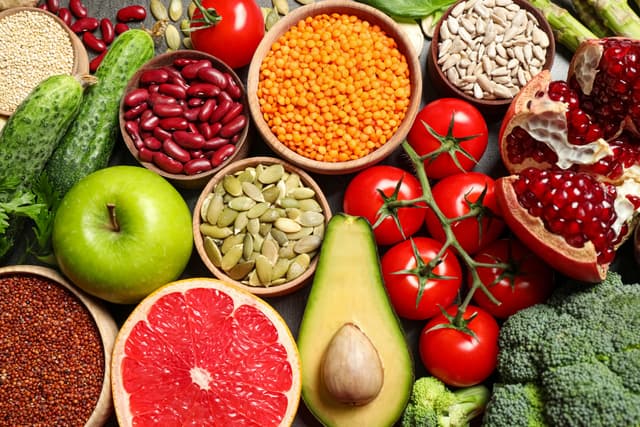
Hormonal balance is strongly influenced by nutrition. Eating a variety of fruits, vegetables, whole grains, lean proteins, and healthy fats helps support hormone production and regulation. A nutrient-rich diet also aids digestion, stabilises blood sugar levels, and supports overall hormonal function.
2. Consistent workout
An effective strategy for hormonal health is exercise. Strength training and cardiovascular exercise help maintain hormone balance, enhancing general well-being.
3. Managing stress
Hormonal balance may be disturbed by ongoing stress. These effects can be lessened by partaking in stress-relieving activities like yoga, meditation, or deep breathing techniques.
To sum up, it's essential to identify the warning signs of a hormone imbalance; if symptoms worsen, get medical help. Giving women the tools to manage their hormones and put their health first celebrates the remarkable balance in the female body. The secret is to seek a healthcare expert for personalised advice proactively.
Strength training and cardiovascular exercise help maintain hormone balance, enhancing general well-being.
The final takeaway
Women’s hormones play a vital role in regulating everything from menstrual cycles and fertility to mood, energy levels, and overall health. While hormonal changes are a natural part of life, understanding how these hormones function can make it easier to recognise what is normal and when something may be out of balance. By staying informed, listening to your body, and adopting supportive lifestyle habits, women can take confident steps towards maintaining hormonal health and overall well-being.
Frequently Asked Questions
1. How to check a female hormone imbalance?
Female hormone imbalance is usually assessed through a combination of symptom review, medical history, and a few medical tests that measure hormone levels at specific times in the menstrual cycle.
2. What is the strongest female hormone?
Oestrogen is often considered the strongest female hormone due to its wide-ranging influence on reproductive health, bones, mood, and cardiovascular function.
3. What happens when female hormones are high?
High hormone levels, particularly oestrogen, can lead to symptoms such as mood swings, bloating, breast tenderness, irregular periods, and fatigue.
4. What are the main female hormones?
The main female hormones include oestrogen, progesterone, follicle-stimulating hormone (FSH), and luteinising hormone (LH), all of which work together to regulate the menstrual cycle.
5. Can lifestyle changes help balance female hormones?
Yes, regular exercise, a balanced diet, quality sleep, and stress management can all play a significant role in supporting healthy hormone balance.
Share Article