

 Medically Reviewed
Hormonal Health
Discover Easy and Natural Home Remedies for Diabetic Pain
Diabetic foot pain can be a challenging condition for most individuals with diabetes. Let’s explore some of the effective and proven home-based solutions for diabetic foot pain.
Feb 17, 2026
•6 min read
Share Article

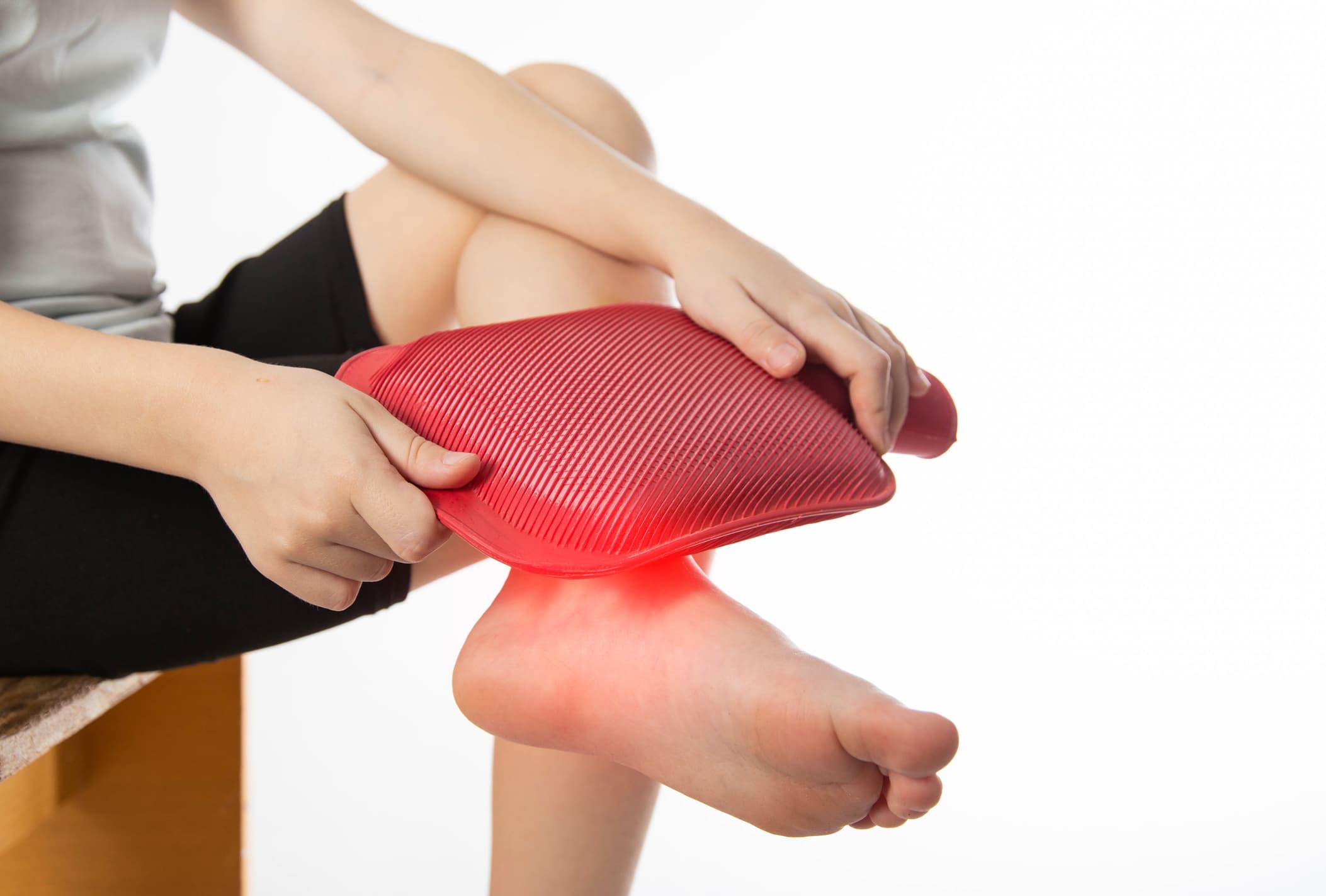
Diabetic foot pain occurs due to nerve damage caused by high blood sugar levels. This can result in tingling, numbness, or a burning sensation in the feet, and sometimes sharp, stabbing pain. Poor circulation also hinders the healing process, making minor injuries more prone to developing into serious complications if left untreated. It is crucial to provide daily care for your feet, monitor them for any changes, and seek medical assistance to prevent potential complications.
Natural home treatments for diabetic foot pain
1. Comforting foot soaks
Foot soaks can be a soothing and effective way to manage diabetic foot pain. They work by relaxing the muscles, improving circulation, and easing discomfort in the feet. You can enhance the soothing effect of foot soaks by adding Epsom salts, a few drops of essential oils like lavender or peppermint, or a bit of baking soda. Always remember to dry your feet thoroughly after the foot soak to prevent fungal infections.
2. Foot massage
Foot massage can be a valuable tool in managing diabetic foot pain as it can address various symptoms and promote overall foot health. It can help by:
- Improving circulation
- Reducing pain and tension
- Enhanced nerve function
- Softens skin
Foot massage, when done properly, can be a soothing and effective way to manage diabetic foot pain and improve overall foot health.
Diabetic foot pain is often caused by nerve damage (neuropathy) resulting from high blood sugar levels, leading to symptoms like tingling, burning, and loss of sensation in the feet. Without proper care, it can lead to serious complications, including foot ulcers and infections.
3. Choosing the right shoes
Proper footwear is crucial in managing diabetic foot pain due to its significant impact on comfort, protection, and overall foot health. Here’s why choosing the right footwear matters:
- Prevents injuries
- Reduces pressure on feet
- Enhances comfort
- Improved stability
- Promotes proper foot care
Investing in proper footwear is a proactive step in managing diabetic foot pain and maintaining overall foot health.
4. Elevate and relieve
Elevating your feet can be an effective strategy in diabetic foot care and in alleviating associated discomfort. Sit or lie down and raise your feet above the level of your heart. You can use a pillow, footrest, or cushion to prop up your feet comfortably. Aim to elevate your feet several times a day, especially if you notice swelling or discomfort. Keep your feet elevated for about 15-30 minutes at a time, depending on your comfort and needs.
5. Foot-friendly exercises to ease diabetic foot pain
Exercise plays a crucial role in managing diabetic foot pain by improving circulation, strengthening muscles, and enhancing overall foot health. The importance of exercise in managing diabetic foot pain is:
- It improves blood flow to the feet, which is essential for healing and reducing pain.
- Exercise strengthens the muscles in your feet and legs, which helps support your joints.
- Stretching exercise increases the flexibility of your feet and ankles.
- Some exercises can help reduce the symptoms of diabetic neuropathy, such as tingling, burning, and numbness, by promoting nerve health.
- Maintaining a healthy weight through regular exercise reduces the strain on your feet, which can alleviate pain and prevent further damage.
6. Key lifestyle adjustments
Managing diabetic foot pain effectively involves making key lifestyle adjustments that promote overall foot health and prevent complications. Some of the key adjustments may include:
- Maintaining a healthy diet to control blood sugar levels.
- Walking, stretching, and toe exercises to alleviate diabetic foot pain.
- Well-fitted, supportive shoes can protect your feet from injuries, reduce pressure, and enhance comfort.
- Inspect your feet daily for any cuts, blisters, or signs of infection. Keep your feet clean, moisturised, and dry to prevent complications.
- Elevate your feet regularly to reduce swelling, improve circulation, and relieve pressure on painful areas.
- Gentle foot massages can help alleviate pain, improve circulation, and promote relaxation.
- Visit your healthcare provider regularly to monitor your foot health and address any issues early.

Diabetic foot pain is not just a symptom; it's a warning sign. Early intervention and consistent foot care are crucial to prevent serious complications.
Dr Navneet Agrawal, MBBS, MD - General Medicine, Gwalior
7. A healthy diet for happy feet
A healthy diet plays a crucial role in managing diabetic foot pain by addressing the underlying causes and improving overall foot health.
Eating nutrient-rich foods supports better circulation, which is vital for healing any existing foot injuries and reducing the risk of developing new ones. Incorporating anti-inflammatory foods like fruits, vegetables, and whole grains into your diet can help decrease inflammation, which in turn reduces swelling and discomfort in your feet.
8. Regular foot checks for diabetic foot pain
Regular foot checkups are crucial for managing diabetic foot pain and preventing complications. These checkups allow for early detection of issues like cuts, blisters, and infections before they become severe, helping to prevent worsening pain. Healthcare providers can offer personalised foot care routines, recommend proper footwear, and provide education on managing foot health. By consistently attending these checkups, you can effectively manage pain and maintain healthy feet, reducing the risk of serious complications.
Foods to avoid (worsen pain and inflammation)
Managing diabetic foot pain isn’t just about medication or treatments; what you eat also plays an important role. Certain foods can increase inflammation, affect blood sugar levels, and worsen nerve pain. Avoiding these foods can help reduce discomfort and support better foot health.
- Sugary foods and drinks
Sweets, cakes, fizzy drinks, and sugary snacks can cause blood sugar spikes, which may aggravate nerve pain and inflammation.
- Refined carbohydrates
White bread, pastries, and processed cereals break down quickly into sugar, leading to unstable blood sugar levels and increased inflammation.
- Fried and fatty foods
Deep-fried foods and those high in saturated fats can promote inflammation and negatively impact circulation, worsening foot pain.
- Processed and packaged foods
Ready meals, crisps, and processed meats often contain high levels of salt, preservatives, and unhealthy fats that can trigger inflammation.
- Excess alcohol
Alcohol can interfere with nerve function and blood sugar control, potentially increasing pain and delaying healing.
Deep-fried foods and those high in saturated fats can promote inflammation and negatively impact circulation, worsening foot pain.
Key takeaway
Home remedies for diabetic foot pain focus on relieving discomfort and promoting overall foot health. Soaking your feet in warm water with Epsom salts can soothe pain and reduce swelling. Gentle foot massages can improve circulation and alleviate tension. Wearing properly fitted, supportive shoes help protect your feet from injuries and reduces pressure. Regularly moisturising your feet prevents dryness and cracking, while elevating your feet helps decrease swelling and improve blood flow. Incorporating these remedies into your daily routine can provide significant relief and support in managing diabetic foot pain.
Frequently Asked Questions
1. How do you stop diabetic feet from hurting?
To relieve diabetic foot pain, prioritise good foot care, stable blood sugar levels, proper footwear, daily foot inspections, cleanliness, moisturising, elevating feet, gentle foot massages, and regular checkups with a healthcare provider.
2. What is the best thing for diabetic feet?
The best care for diabetic feet includes maintaining stable blood sugar levels, wearing supportive and well-fitted shoes, performing daily foot inspections, practising good foot hygiene, elevating feet, and having regular checkups with a healthcare provider. These practices help protect against injuries, alleviate discomfort, and maintain overall foot health.
3. How to take care of diabetic foot at home?
When caring for diabetic feet at home, inspect your feet daily, maintain good hygiene, wear supportive shoes, elevate your feet, and schedule routine checkups with your healthcare provider.
4. What is the fastest way to recover from foot pain?
The fastest way to recover from foot pain involves rest, ice application, elevation, wearing supportive footwear, and consulting a healthcare provider if the pain persists.
5. How to reduce foot pain?
To alleviate foot pain, rest and ice the affected foot, use over-the-counter pain relievers if needed, elevate your foot, wear supportive shoes, and consult a healthcare provider if the pain persists.
Share Article