
 Medically Reviewed
Hormonal Health
Fat Loss vs. Weight Loss: Uncover the Truth for Your Best Body
Fat loss and weight loss aren't the same! Fat loss focuses on shedding excess fat while preserving muscle, leading to a toned physique. Weight loss might mean losing water or muscle. Choose wisely.
Feb 17, 2026
•7 min read
Share Article

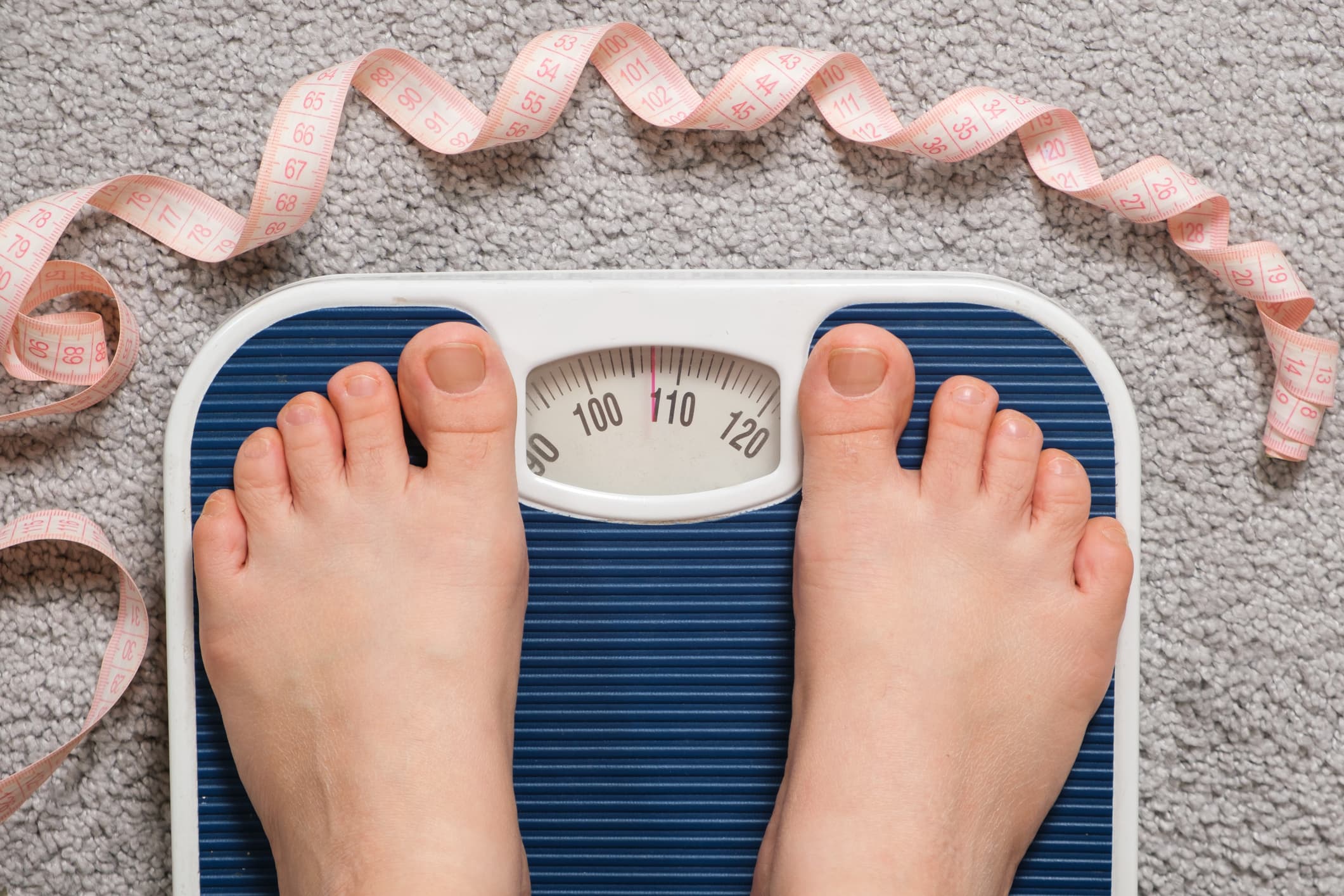
In the fitness world, "fat loss" and "weight loss" are often used interchangeably. Weight loss refers to a decrease in overall body weight, including fat, muscle, and water, so a lower number on the scale does not always indicate improved health or body composition. In contrast, fat loss focuses on reducing body fat while preserving muscle mass, which is essential for achieving that toned look people desire. By incorporating strength training and a balanced diet, you can effectively shed fat and boost metabolism, leading to sustainable results on your journey to a healthier you.
Even if two people have identical weights, their body compositions can vary significantly due to differences in muscle mass, bone density and fat percentage; while preserving muscle by focussing on fat loss can lead to a healthier and more toned physique, regardless of the number on the scale.
Fat loss vs. weight loss: What’s the difference?
Weight loss is simply losing pounds on the scale. However, those pounds can come from fat, muscle, or even water weight. If you cut calories drastically or rely on fad diets, you may see quick results, but this often leads to muscle loss and doesn’t promote long-term health.
Fat loss, on the other hand, is all about shedding body fat while preserving muscle mass. This approach is more beneficial for your overall health and body composition. When you focus on fat loss, you will notice a difference in the inches that are reduced and how you look and feel.
Why chasing numbers can derail your progress?
Many people are obsessed with the number on the scale, often chasing rapid weight loss results. This can lead to unhealthy practices like extreme calorie restriction or excessive exercise. Not only can this be unsustainable, but it can also result in a loss of lean muscle tissue, which can slow down your metabolism.
Muscle is crucial for a healthy body; it burns more calories at rest than fat does. So, when you lose muscle, your body requires fewer calories, making it easier to gain weight back once you return to normal eating. This is why many people find themselves on a frustrating cycle of yo-yo dieting.
Sometimes, our bodies confuse thirst with hunger. Drinking enough water can help regulate appetite and support metabolism.
Benefits of fat loss
Fat loss is no magic pill that can give results overnight. Consistency is the key to effective loss of fat and staying healthy. The following are some of the major benefits of fat loss.
Better body composition
You will notice a more toned and sculpted physique when you prioritise fat loss. This not only improves your appearance but also boosts your confidence.
Improved metabolism
Preserving muscle mass helps keep your metabolism running efficiently. A higher metabolic rate means you can enjoy your favourite foods without worrying about weight gain.
Sustainable results
Fat loss strategies, like balanced eating and strength training, are easier to maintain in the long run. You are less likely to rebound into old habits when you focus on creating healthy lifestyle changes.
Health benefits
Reducing body fat, especially visceral fat (the fat around your organs), can lower your risk of various health issues, including heart disease, diabetes, and certain cancers.
Strive for 7-9 hours of quality sleep each night to help regulate the hormones that influence hunger.
Essential tips for fat loss: Build strength and balance your life
The basic difference between losing fat and just losing weight often gets overlooked. Weight loss can show on the scale, but it doesn’t always mean you’ve lost inches or toned up. Fat loss, on the other hand, is about reducing body fat and seeing real changes in your measurements, especially around stubborn areas like thighs. For clearer results, it’s important to focus on fat loss rather than just the number on the scale.
The following are tips for fat loss:
- Strength training:
Integrating resistance training into your routine is crucial. Aim for at least two to three sessions per week to build and maintain muscle mass. - Balanced nutrition:
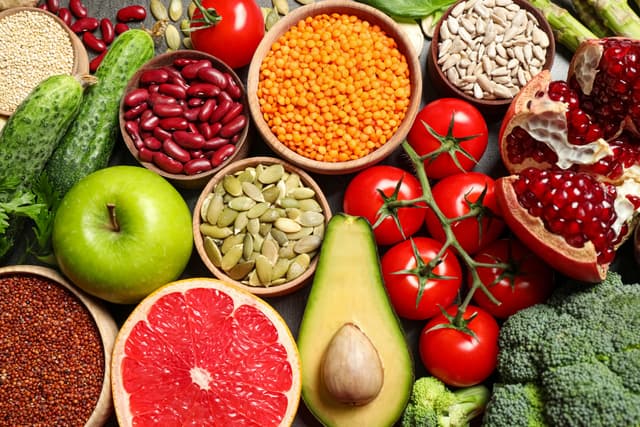
Instead of cutting entire food groups, focus on whole foods rich in nutrients. Incorporate plenty of vegetables, lean proteins, healthy fats, and whole grains into your meals. - Mindful eating:
Tune into your hunger and fullness signals, taking the time to enjoy your meals. This practice can help prevent overeating and curb emotional eating. - Stay hydrated:
Sometimes, our bodies confuse thirst with hunger. Drinking enough water can help regulate appetite and support metabolism. - Get enough sleep:
Sleep is crucial for weight management and overall well-being. Strive for 7-9 hours of quality sleep each night to help regulate the hormones that influence hunger. - Manage stress:
Chronic stress can contribute to weight gain, especially in the abdominal area. Find stress-reducing activities you enjoy, whether it’s yoga, meditation, or simply spending time with loved ones.
Common mistakes people make while trying to lose weight
When trying to lose weight, people often make a few classic mistakes without even realising it. Focusing only on quick fixes or extreme diets is one; cutting out entire food groups usually backfires and leaves you craving more. Skipping workouts or doing only cardio, thinking it’s a magic solution, is another common error. And let’s not forget expecting results overnight; real change takes time, patience, and consistency. Knowing these pitfalls can save you frustration and help you take a smarter, more sustainable approach to weight loss.
How to track progress?
If you are focusing on fat loss, the scale is not the only tool to measure your success. Here are some better indicators of your progress:
- Body measurements:
Track your waist, hips, and other areas to see changes in body composition. - Progress photos:
Taking pictures can help you visually track your transformation over time. - Fitness levels:
Notice improvements in your strength, endurance, and overall fitness. Are you lifting heavier weights or completing more reps? That’s a sign of progress.
Common myths about weight and fat loss
The following are some of the common myths related to weight and fat loss.
Myth: You need to lose weight fast
Fact: Quick fixes often lead to quick rebounds. Focus on gradual, sustainable changes for lasting results.
Myth: Cardio is the exclusive method for losing weight.
Fact: While cardio is beneficial for heart health, strength training is crucial for fat loss and muscle preservation.
Myth: Eating fat makes you fat
Fact: Healthy fats are essential for your body. They help with nutrient absorption and can keep you feeling satisfied.
Myth: You can spot reduce fat
Fact: Unfortunately, there’s no magic exercise to target fat loss in specific areas. A combination of overall fat loss and strength training is key.

True health is not just about the number on the scale; it's about reducing body fat while preserving muscle. Focus on fat loss for lasting wellness.
Dr Surender Kumar, Endocrinology & Metabolism, Delhi
Key takeaways
Understanding the distinction between fat loss and weight loss is crucial for achieving your health goals. While the scale can be a tool, it’s not the only measure of success. By prioritising fat loss through strength training, balanced nutrition, and sustainable lifestyle changes, you will be on your way to a healthier, more confident you; it’s all about feeling fantastic both inside and out.
Frequently Asked Questions
1. What is the difference between fat loss and weight loss?
Fat loss refers to the reduction of body fat while preserving muscle mass, leading to a more toned and healthy physique. Weight loss, on the other hand, encompasses any decrease in overall body weight, which can include fat, muscle, and water, and doesn't necessarily indicate improved health.
2. Which is more sustainable, fat loss or weight loss?
Fat loss is generally more sustainable because it focuses on healthy lifestyle changes, such as strength training and balanced nutrition, which promote muscle preservation. In contrast, weight loss can often involve quick fixes or extreme diets that are hard to maintain long-term, leading to potential rebound effects.
3. Can you lose weight without losing fat?
Yes, you can lose weight without losing fat, particularly through methods that promote muscle loss or fluid depletion, such as extreme calorie restriction or dehydration. This type of weight loss is often temporary and can be detrimental to overall health, as it may decrease metabolism and lead to a less favourable body composition.
4. How can I measure my progress with fat loss and weight loss?
To measure progress with fat loss, consider tracking body measurements, progress photos, and body composition changes using tools like callipers or body fat scales. For weight loss, simply monitoring your scale weight can be useful, but it's essential to complement this with other metrics to ensure you're losing fat rather than muscle or water.
5. Should I focus on fat loss or weight loss for better body composition?
Focusing on fat loss is essential for achieving better body composition, as it prioritises reducing body fat while maintaining or building muscle mass. This approach enhances your physique and supports overall health and metabolism, making it a more effective long-term strategy.
Share Article