
 Medically Reviewed
Diet & Nutrition
All You Need to Know About Drinking Water: Why, When, and How Much?
When we think about nutrition, we tend to ask "how much protein, carbs, and fats should we eat?", but we often overlook the most crucial nutrition question: how much water should you drink?
Jan 12, 2026
•6 min read
Share Article

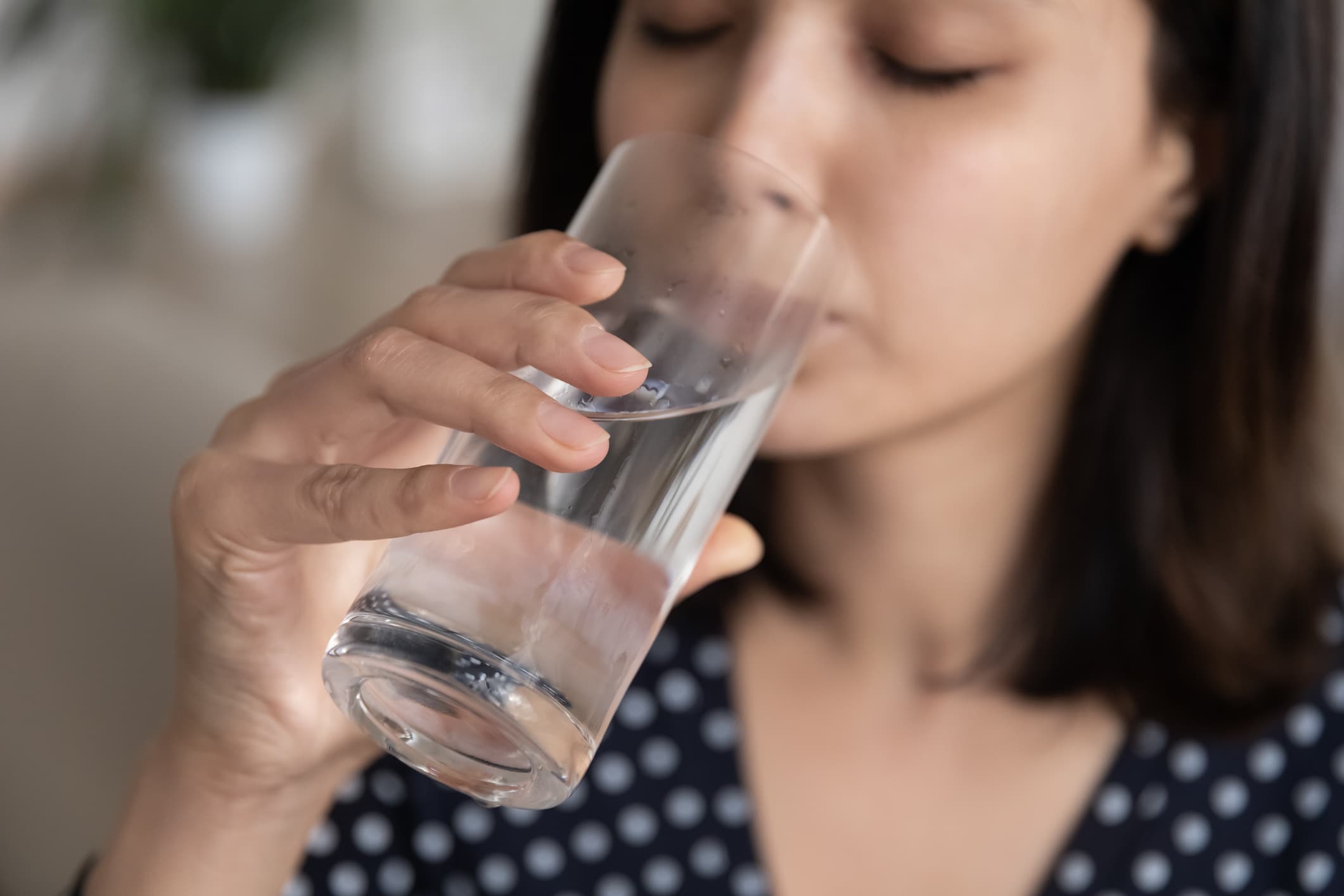
Most of the human body is water, roughly around 60%. It is essential for many important body functions, from flushing out waste to lubricating your joints. The amount of water in the body can change slightly with age, sex, and hydration levels. The human body constantly loses water throughout the day through urinating, sweating, and breathing.
What is the role of water in the body?
The following is the crucial role of water in the human body.
- Helps create saliva
Saliva mainly contains water, electrolytes, mucus, and enzymes. It also helps in keeping your mouth healthy. - Regulates your body’s temperature
Water intake is important to maintain your body temperature. During physical activity and in hot environments, the body loses water through sweat. - Protects your tissues, spinal cord, and joints
Water intake causes lubrication and a cushioning effect in your tissues and joints. This will ensure normal physical activity and reduce discomfort caused by conditions like arthritis. - Helps excrete wastes
Water helps our bodies to urinate, sweat, and have bowel movements. Also helps in avoiding constipation. - Aids in digestion and helps with nutrient absorption
Drinking water before, during, and after meals helps to get food digested easily. In addition, water also helps dissolve vitamins, minerals, and other nutrients from your food. - Helps you lose weight
Drinking more water while dieting and exercising may help you lose extra pounds. - Improves blood oxygen circulation
Your body depends on water to transport essential nutrients and the oxygen that fuels your cells, ensuring the health and proper functioning of your entire system. - Helps fight off illness
Drinking enough water can help you prevent certain medical conditions like constipation, kidney stones, infections, and hypertension. - Aids in mental health and helps to improve your mood
If your body is not hydrated properly, it will affect your mood, focus, alertness, and short-term memory. - Keeps your skin bright
By having adequate water intake, your skin will get hydrated and promote collagen production.
Drinking water in the morning after waking up boosts the elimination of liquids. There is no universally agreed amount of water that must be consumed daily. Drink at least eight ounces (236.5 ml) of water with every meal.
- Prevents dehydration
When the body is not having enough water, it leads to dehydration, which happens due to heat, diarrhoea, and exercise. Symptoms of mild dehydration may include dry mouth, dry lips, dry tongue, less urine, dark-coloured urine, tiredness, headache, dizziness, muscle cramps, and dry skin. As you become more dehydrated, symptoms can include no urine at all, rapid breathing and heartbeat, confusion, fainting, seizures, and weight loss (over 10% of body weight).
Quick Fact
Dehydration means your body doesn't have enough water to function well. Drinking water can usually rehydrate you within minutes or hours. Severe dehydration can be life-threatening. Fainting, confusion, or blood in your vomit or diarrhoea are signs that you need immediate medical attention.
Importance of drinking water
Indian celebrities also follow a strict and balanced diet, such as drinking six cups (1 cup = 236.5 ml) of water daily and several cups of herbal teas to cleanse the skin and keep it fresh.
Black alkaline water is becoming popular with fitness enthusiasts and even sportspersons. It is said to help one stay hydrated and maintain high pH levels, which helps balance acidity. According to experts, it has been termed an energy drink, sports drink, fulvic drink, natural alkaline water, and health drink.
How much water should I drink?
You might have heard so many different recommendations for water intake. So, how much water should you drink a day?
It’s easy! You need to drink 35 ml or 0.035 litres per kilogram of your total body weight. Let’s explain using a random weight. So, if you weigh 50 kg, you need to drink 50 x 0.035 litres of water per day which equals 1.75 litres. Now you can easily calculate your total water intake by multiplying the figure 0.035 to your body weight.
Benefits of drinking more water
Drinking enough water is essential for your health. It keeps your body functioning properly and supports overall well-being. Here are the key benefits of staying well-hydrated:
- Boosts energy levels
Water helps transport nutrients and oxygen to your cells, reducing fatigue and keeping you feeling alert throughout the day.
- Improves skin health
Staying hydrated keeps your skin soft, supple, and radiant, while helping to prevent dryness and premature ageing.
- Supports digestion
Water aids in breaking down food, promotes regular bowel movements, and helps prevent constipation.
- Flushes out toxins
Drinking enough water supports kidney function, helping your body remove waste and reduce the risk of urinary tract infections.
- Enhances mood and focus
Even mild dehydration can affect your concentration, memory, and mood; water helps keep your mind sharp and calm.
- Maintains a healthy weight
Water can help control appetite, boost metabolism, and support healthy weight management when combined with a balanced diet.

For an average man or woman, a minimum of 2.5 to 3.5 litres of water intake is sufficient, depending on their daily activities and climatic conditions.
Dr Ushakiran Sisodia, Clinical nutritionist, Mumbai
Is it possible to over-hydrate?
Drinking too much water can lead to overhydration, which affect the levels of electrolytes like chloride, sodium, and potassium in the body. In contrast, drinking too much fluid (overhydration) can cause nausea, vomiting, headaches, cramps, weakness, and confusion.
Can drinking water help you lose weight?
Yes, drinking more water can help you to lose weight. Intact, it can also help you:
- Burn fat
- Acts as a natural appetite suppressant
- Speed up your metabolism and
- Remove waste more efficiently.
Drinking at least 64 ounces (1.89 Litres) of water daily may help with weight loss.
Key Takeaways
Among the many health benefits associated with adequate water intake are the prevention of headaches, proper digestion, and various chronic illnesses; therefore, water is an essential component of a healthy lifestyle. With zero calories and no sugar, water can be a great substitute for other drinks. You can carry a water bottle, allowing you to drink more water throughout the day and gain numerous benefits. The "eight glasses a day" recommendation is a good starting point, but hydration needs to vary depending on age, weight, activity level, and temperature. It is important to pay attention to your body's signals and adjust your water intake.
Frequently Asked Questions
1. What are the signs of dehydration?
Mild dehydration can cause thirst, dry mouth or lips, fatigue, headache, dizziness, irritability, muscle cramps, and dark urine. Simply drinking water may not be enough, as cells also need minerals to absorb it effectively. Adding a pinch of Celtic salt or an electrolyte source helps restore the mineral balance, allowing your cells to hydrate properly and preventing the typical symptoms of dehydration.
2. Can you drink too much water?
Drinking too much water at once can cause electrolyte imbalances, so take small sips and drink slowly.
3. Does drinking water help with weight loss?
Drinking water helps to lose weight as it acts as a natural appetite- suppressant, burns fat and calories, and promotes long-term weight loss.
4. Is it better to sip water throughout the day or drink large quantities at once?
It’s best to sip water steadily throughout the day rather than drinking large amounts at once. Drinking too much in one go can make you visit the washroom frequently, which may discourage some people from staying properly hydrated. By sipping water regularly, your body absorbs it more effectively, keeping you hydrated without the constant need for the washroom.
5. How does age affect water intake?
Water needs can vary depending on age. Adults generally require around 2–3 litres per day, but this can differ for children, the elderly, or those with specific health conditions. If you have kidney problems, hypertension, or other medical concerns, it’s important to consult your doctor before increasing water intake, as there may be restrictions.
Share Article