
 Clinically Reviewed
Diet & Nutrition
What Is Seed Cycling?
Mar 3, 2026
•5 min read
Share Article

Hormones are like invisible messengers in the body. They control everything from your menstrual cycle and fertility to your mood, energy, skin health, and sleep quality. Balanced hormones help you stay energetic, focused, and healthy overall. But when they’re not synced, even slightly, you may notice symptoms such as irregular periods, painful cramps, PMS, acne, PCOS, mood swings, or fatigue. In today’s world, a hectic lifestyle, processed foods, lack of sleep, and exposure to toxins can interfere with hormonal balance.
Here comes seed cycling for hormones. Consider it a natural approach to help regulate your hormones. Seed cycling is using nature's goodness to your advantage. It’s simply eating different types of seeds at different phases of the menstrual cycle to support optimal hormonal balance, particularly oestrogen and progesterone levels. While seed cycling has gained popularity across wellness communities and social media platforms, its foundations are rooted in the nutritional properties of seeds rather than clinical treatment. Let's dive in to understand the various benefits of seed cycling.
How does the seed cycle work?
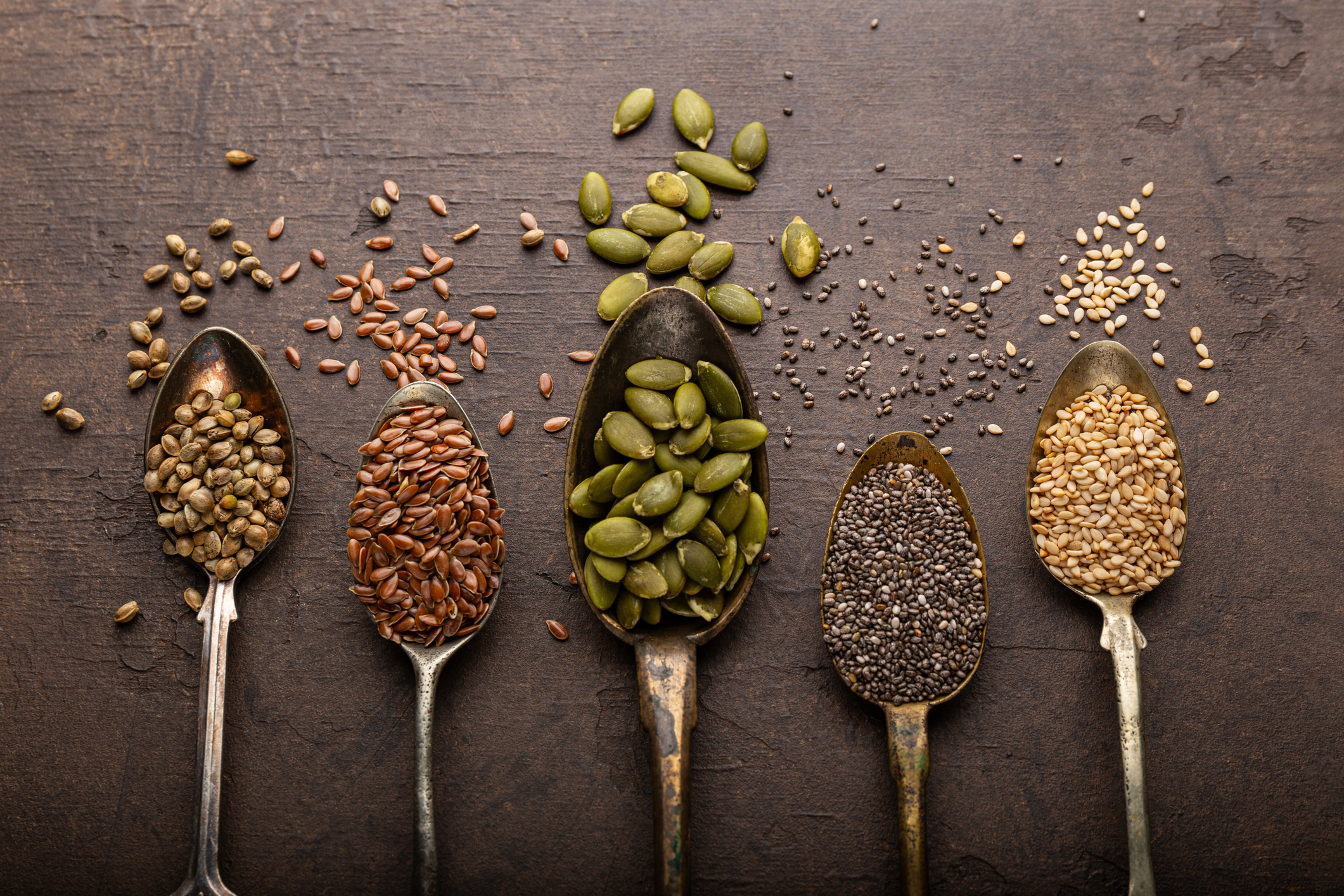
Seed cycling divides the menstrual cycle into two halves: follicular and luteal. The follicular phase typically begins on the first day of menstruation and continues until ovulation. During this phase, flaxseeds and pumpkin seeds are traditionally consumed. These seeds are valued for their fibre and plant compounds that may support oestrogen metabolism.
The luteal phase follows ovulation and continues until the next menstrual period begins. In this phase, sesame seeds and sunflower seeds are usually included. These seeds contain nutrients associated with progesterone support and overall hormonal balance.
Did You Know?
Seed cycling is simply eating different types of seeds at different phases of the menstrual cycle to support optimal hormonal balance.
Seed cycling for hormones: Why are these seeds used?
Each seed used in seed cycling is selected for its nutritional profile. Flaxseeds contain lignans, which have been studied for their potential role in hormone metabolism. Pumpkin seeds provide zinc and essential fatty acids that contribute to reproductive health.
Sesame seeds contain plant compounds that may support hormone activity, while sunflower seeds are a source of vitamin E and selenium, nutrients associated with luteal-phase hormonal function. Together, these seeds are thought to complement the body’s hormonal fluctuations throughout the cycle.
Although these nutrients are beneficial as part of a balanced diet, research on seed cycling as a structured method remains limited. Existing evidence focuses more on individual seed components rather than the practice as a whole.
Quick Explainer
Pumpkin seeds provide zinc and essential fatty acids that contribute to reproductive health.
Seed cycling benefits for women's health
Understanding the seed cycling benefits can help women see how this simple practice may support hormone balance, menstrual health, and overall well-being. The following are some of the key benefits of seed cycling.
Supports menstrual regularity
Seed cycling for periods may help regulate cycles by balancing oestrogen and progesterone levels. Women who experience irregular periods may notice more consistent timing and lighter, less painful flows over time.
Reduces PMS symptoms
Flax and pumpkin seeds contain compounds that can ease bloating, cramps, irritability, and mood swings associated with premenstrual syndrome. Regular practice can make the days leading up to the period more manageable.
Boosts fertility support
Seeds like sunflower and sesame provide essential fatty acids, lignans, and zinc, which support reproductive health, ovulation, and egg quality, making them a natural choice for women trying to conceive.
Enhances skin health
Hormonal fluctuations can trigger acne, dryness, or dull skin. The nutrients in these seeds help balance hormones, support liver detoxification, and promote clearer, glowing skin naturally.
Improves mood and energy
Healthy fats and phytoestrogens found in seeds stabilise hormone levels, which may reduce anxiety, irritability, and fatigue, keeping energy levels steady throughout the month.
Supports healthy hormone production
The regular intake of specific seeds provides key nutrients that aid in natural hormone production, supporting oestrogen in the follicular phase and progesterone in the luteal phase for overall balance.
Seed cycling for periods: How it supports menstrual regularity
Seed cycling for periods is a natural way to support a more regular menstrual cycle. By consuming specific seeds during different phases, women can provide their bodies with essential nutrients that help balance oestrogen and progesterone. This balance can lead to more predictable periods, reduced PMS symptoms, and a smoother overall cycle.
Regular seed cycling not only encourages hormonal harmony but also supports overall reproductive health. Over time, women may notice fewer mood swings, less bloating, and improved energy during their cycle. Incorporating seeds consistently is a simple, natural step that complements a healthy lifestyle and empowers women to take control of their menstrual wellness.
Quick Tip
The regular intake of specific seeds provides key nutrients that aid in natural hormone production, supporting oestrogen in the follicular phase and progesterone in the luteal phase.
Who should try seed cycling, and who should avoid it
Seed cycling can be a helpful approach for those looking to support hormonal health through food. Seeds can be easily added to everyday meals, such as smoothies, porridge, salads, or yoghurt, making it a convenient way to include them in your diet.
However, this method may not be suitable for everyone. Individuals with allergies, digestive sensitivities, or specific health concerns should exercise caution. Those experiencing hormonal or menstrual issues are advised to consult a healthcare professional rather than relying solely on dietary trends. As with any nutritional practice, seed cycling may not work for everyone and should be adapted according to individual health needs and circumstances.
Final thoughts: Is seed cycling effective for hormone balance?
Seed cycling is best understood as a gentle, food-based practice rather than a proven method of correcting hormone imbalance. While the nutrients found in seeds are well-researched and beneficial for general health, direct scientific evidence supporting seed cycling as a specific intervention remains limited.
That said, seed cycling encourages nutrient diversity, fibre intake, and greater awareness of menstrual health. For many, these factors alone may contribute to a sense of improved well-being. Ultimately, hormone balance is influenced by multiple factors, including nutrition, stress, sleep, and lifestyle habits. Seed cycling may play a small, supportive role within a broader approach to health.
Seed cycling, thus, offers a gentle, food-focused approach rooted in nutritional principles. Incorporating a variety of seeds into the diet can contribute to overall health when done mindfully and consistently.
Frequently Asked Questions
1. How does seed cycling work?
Different seeds contain nutrients and compounds that can influence hormone production. By consuming the right seeds during the follicular and luteal phases, your body may regulate oestrogen and progesterone naturally.
2. What are the main benefits of seed cycling?
Seed cycling can help support menstrual regularity, reduce PMS symptoms, improve fertility support, enhance skin health, and stabilise mood and energy throughout the cycle.
3. Can seed cycling help with period problems?
Yes! Seed cycling for periods may help regulate cycles, reduce cramps, and ease PMS symptoms by supporting balanced hormone production in each phase of the menstrual cycle.
Share Article