

 Medically Reviewed
Parenthood
Best Food for Lactating Mother: A Comprehensive Guide to Healthy Nutrition
May 26, 2026
•6 min read
Share Article

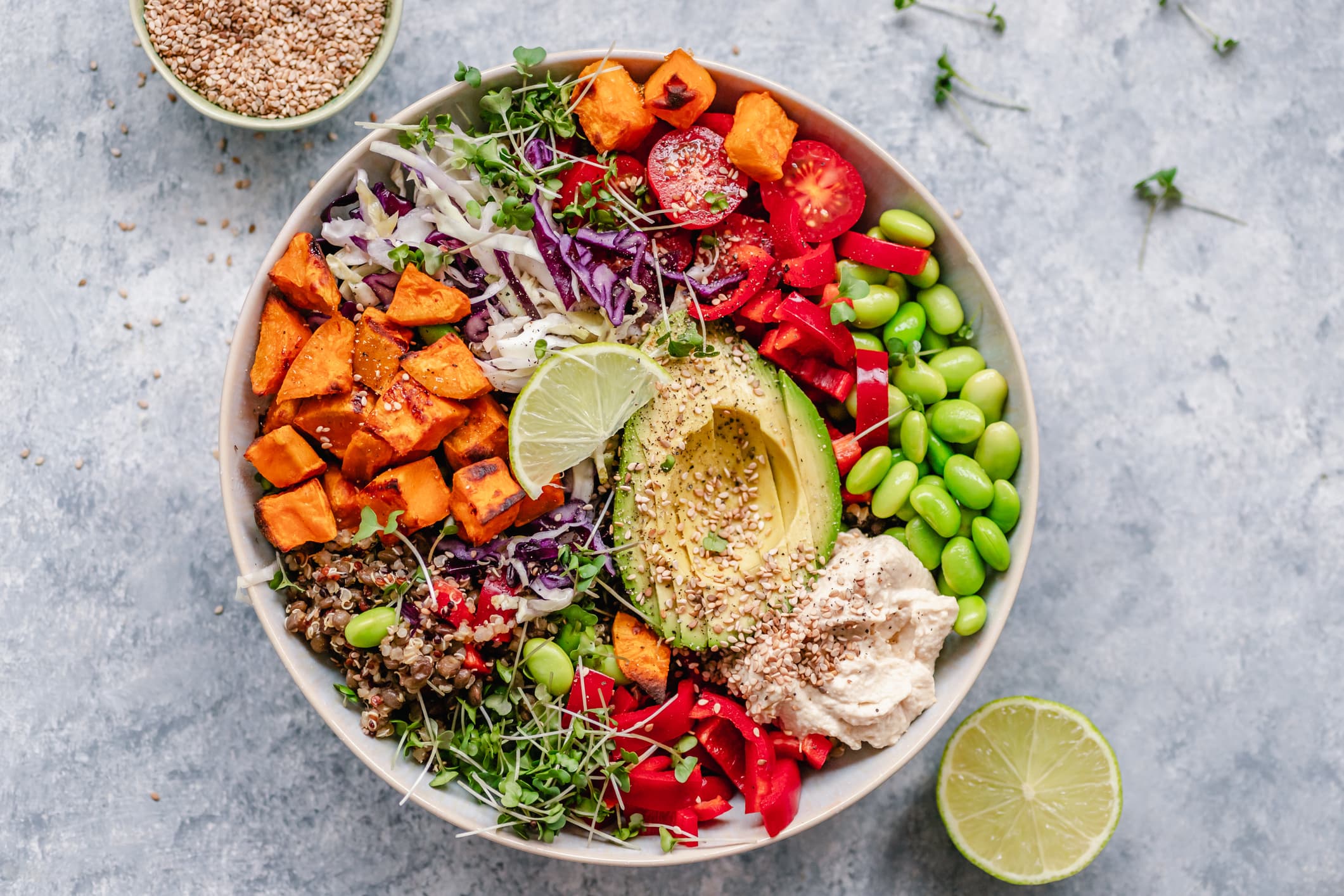
Breastfeeding is a journey that's as rewarding as it is demanding. For new mothers, food isn't just about cravings or comfort; it's essential fuel that supports energy levels, aids recovery, and helps maintain a steady milk supply for your baby.
Choosing the right foods can make a real difference in how you feel, how your body recovers, and how your baby thrives. From nutrient-packed snacks to balanced meals, the right diet can support both physical and emotional well-being during this crucial period.
Dive into this blog to explore healthy foods for lactating mothers, practical meal ideas, and what research says about nutrition during breastfeeding, all presented in an easy, approachable way to help you nourish yourself while nurturing your baby.
Why a balanced diet is crucial for healthy lactating mothers
Lactation increases the body's nutritional requirements. Milk needs additional energy, protein, and micronutrients to be produced. Studies indicate that breastfeeding mothers require more calories and nutrients than when they are pregnant and not lactating.
A balanced eating pattern helps support:
- Steady energy levels
- Postpartum recovery
- Nutrient-rich milk supply
- Overall maternal wellbeing
It is not about the ideal foods to eat, but rather regular meals that are sustaining. Milk is one of the best-known sources of essential nutrients that can be provided to a baby through a varied diet.
Studies indicate that breastfeeding mothers require more calories and nutrients than when they are pregnant and not lactating.
Essential nutritious food for lactating mothers: Protein, fruits, and vegetables
Protein plays a vital role in the repair of tissues and the production of milk. One can add good sources of protein to meals daily, which makes it more fulfilling and nourishing.
Great options include:
- Eggs
- Lentils and beans
- Lean poultry
- Dairy foods
- Tofu and soy products
Vegetables and fruits are also a good source of fibre, antioxidants, and vitamins. According to studies, the maternal intake of fruits and vegetables promotes the overall nutrient status during lactation.
The most nutritious food for lactating mothers often comes from simple, whole foods rather than expensive "superfoods."
Top breast milk increasing foods: Traditional Indian galactagogues
Across cultures, certain foods have long been celebrated for their ability to support milk production. In Indian households, generations of mothers have turned to specific snacks and ingredients believed to naturally enhance lactation. These tasty and nourishing options aren’t just comforting; they can help keep both mom and baby thriving.
- Fenugreek-based dishes
- Fennel seeds in warm drinks
- Moringa leaves
- Sesame-based sweets
Although the cultural foods could be comforting, the fact of the existence of specific milk-boosting foods is not strongly supported. According to experts, the production of milk is primarily driven by supply and demand, with the largest factor being the frequency of feeding.
According to studies, the maternal intake of fruits and vegetables promotes the overall nutrient status during lactation.
Lactating mothers: Healthy food to eat, whole grains, nuts, and healthy fats
Whole grains contain slow-energy sources, although they come in particularly handy on long feeding days. Examples like oats, brown rice, whole wheat chapati and quinoa are excellent at keeping you full and provide adequate micronutrients.
Healthy fats are also essential, which help to stabilise hormones and the development of a baby. Sources include:
- Avocados
- Olive oil
- Nuts and seeds
- Fatty fish (in safe amounts)
These choices form part of the best food to eat for lactating mothers because they support fullness and nutrient density.
Managing extra calorie requirements and energy levels during breastfeeding
The mothers who are breastfeeding usually need additional calories daily. Commonly, an additional intake is required to meet energy requirements. But it does not imply excess consumption; it implies prudent consumption. The following tips can help manage nutritional demands in lactating women.
- Adding nutrient-rich snacks
- Eating regular meals
- Listening to hunger cues
The point is to have sustainable energy and not heavy calorie counting. Including healthy food for lactating mothers, choices like yoghurt, nuts, and fruit can help keep energy stable.
The importance of staying hydrated for consistent milk production
Breastfeeding increases your body's need for fluids, since breast milk is made up largely of water. It's natural for new mothers to feel thirsty between feeds. To stay energised and support steady milk production, healthcare professionals recommend sipping water throughout the day rather than waiting until you're very thirsty. Here are some practical and easy hydration tips to keep you feeling your best:
- Carrying water around during feeding
- Consumption of soups or milk-related beverages
- Eating water-rich fruits like oranges and melons
Healthcare professionals advise taking water regularly during the day, particularly when one is thirsty.
Navigating special diets: Nutrient sources for vegetarian and vegan mothers
Vegetarian and vegan mothers can definitely have a successful experience when breastfeeding, though it will require a little thought. The main nutrients should be paid attention to:
- Protein from legumes, soy, and pulses
- Calcium from fortified plant drinks and leafy greens
- Iron from lentils, beans, and spinach
A well-planned plant-based approach can still provide nutritious food for lactating mothers when meals are balanced and varied.
Nutritious food to eat for baby's brain development: The role of DHA
Docosahexaenoic acid (DHA) plays a significant role in the development of the infant's brain and eyes. Studies indicate that the amount of breast milk DHA is affected by maternal nutrition.
Sources of DHA include:
- Fatty fish (low-mercury options)
- Algae-based foods
Including DHA-rich foods occasionally supports the baby's development and makes the diet more complete. This is another reason why choosing the right food for lactating mothers' nutrition matters beyond just calories.
Foods and drinks to limit or avoid for the baby's safety and comfort
Some foods may affect babies through breast milk, though every infant is different.
Common triggers include:
- Excess caffeine
- Very spicy meals
- Alcohol
That a person should drink caffeine in moderation, and that one should not take alcohol during breastfeeding. Other infants might exhibit intolerance to certain foods. Observation is the most appropriate strategy compared to unjustified restriction.
Practical tips for a successful and healthy lactation journey
Daily life with a newborn can make nutrition feel like an afterthought. Helpful strategies include:
- Preparing easy snacks (nuts, fruit, yoghurt)
- Batch cooking simple meals
- Accepting help from family
- Eating regularly, not just when starving
Including more fluids like soups and juices in the diet may help support better milk production.
Building meals around healthy food for lactating mothers supports both physical recovery and emotional well-being.
Identifying food sensitivities and allergies in breastfed infants
Some infants may show signs of sensitivity, such as:
- Fussiness after feeds
- Skin rashes
- Digestive discomfort
In light of this concern, the mothers are advised to seek professional advice rather than eliminate key food groups unnecessarily.
A healthy diet means a healthy baby
Something about breastfeeding you must know is that what you eat affects the nutrients your baby consumes. A healthy diet with some snacking is something that should keep your cravings satisfied and your baby happily enriched with nutrients.
Moreover, the only way out is not to go in search of the miracle foods but to pay attention to variation, moderation, hydration, and the body. Nourishing meals, taking a rest where possible, and a little patience also make lactation less stressful and much more sustainable.
Frequently Asked Questions
1. What foods are good for breastfeeding moms?
The most beneficial options are balanced meals that include protein, fruits, vegetables, whole grains, and healthy fats. Eating by lactating mothers should be regular to maintain energy and nutrient needs.
2. What food to avoid when breastfeeding?
The majority of foods are safe, yet caffeine and alcohol should be restricted. There are instances where babies are sensitive to spicy and gassy foods, though this is not normally something to restrict without signs of a symptom. Eggs, potatoes, root vegetables, cruciferous vegetables are some examples of gassy food items that you should consider avoiding if it is affecting the baby.
3. Does drinking more water increase milk supply?
Drinking enough water is important for overall health and helps prevent dehydration, which can affect milk production. However, simply drinking extra water beyond your body's needs does not directly increase breast milk supply. Consistent hydration, along with proper nutrition and regular feeding, supports healthy lactation.
Share Article