

 Medically Reviewed
Female Reproductive Health
Can PCOS Cause Depression?
Jun 12, 2026
•6 min read
Share Article

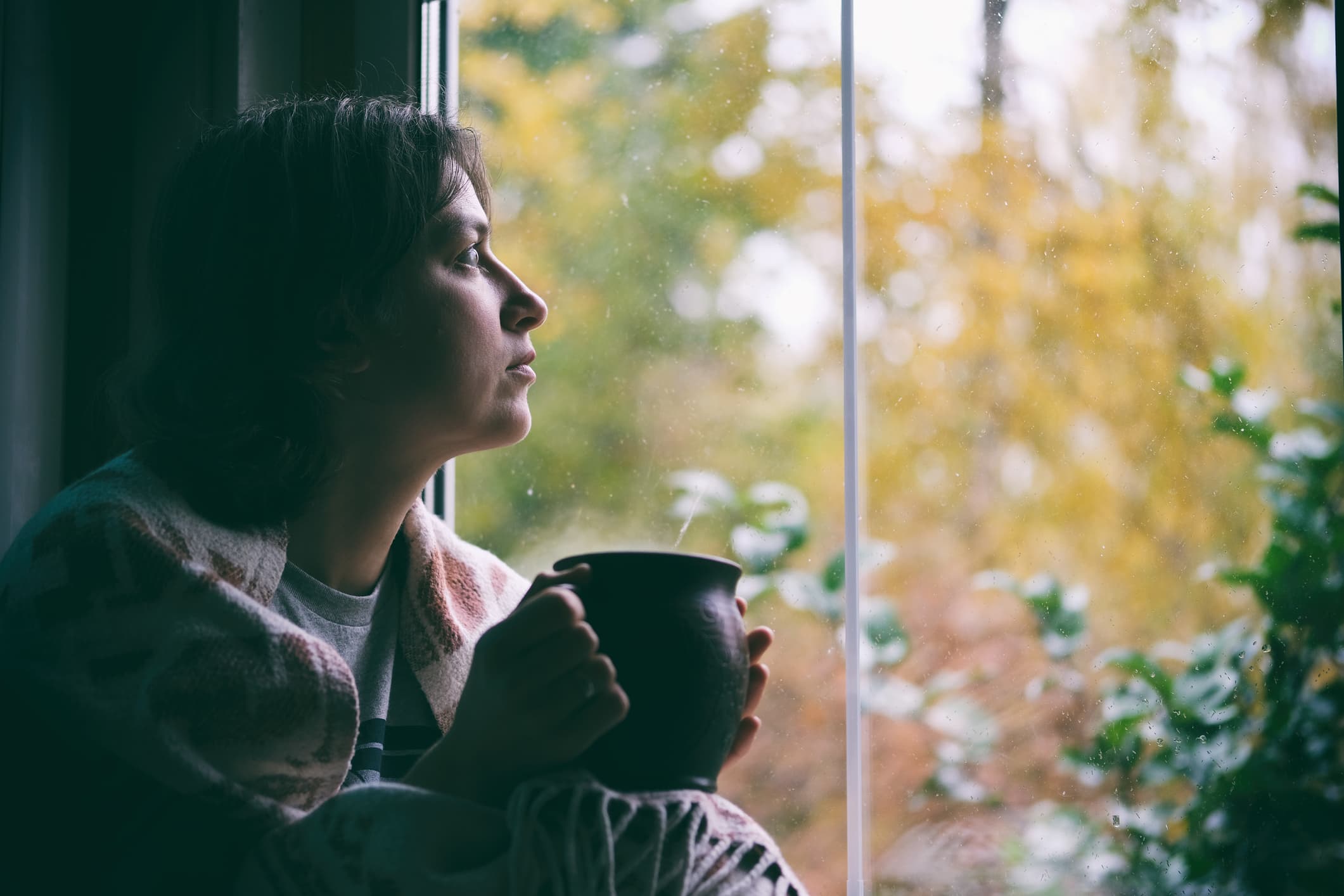
Some days feel heavier than others, and it's not always easy to explain why. For many individuals with PCOS, these low phases can feel more frequent, more intense, and often confusing.
This raises an important question: does PCOS cause depression, or is it just a coincidence? The answer isn't entirely straightforward, but there is a clear connection. PCOS doesn't just affect hormones; it can also influence mood, energy levels, sleep, and even self-confidence. Over time, these changes can add up and take a toll on emotional well-being.
Understanding why PCOS can be linked to depression and anxiety is key to making sense of these experiences, and, more importantly, learning how to manage them effectively. In this article, we explore the connection between PCOS and mental health, and look at ways to support both emotional and physical well-being.
Polycystic Ovary Syndrome (PCOS) has recently been renamed Polyendocrine Metabolic Ovarian Syndrome (PMOS) to better reflect the condition's complex hormonal and metabolic nature.
What is PCOS?
Polycystic Ovary Syndrome (PCOS) is a common hormonal disorder that affects how the ovaries function. It can disrupt the menstrual cycle, lead to imbalances in reproductive hormones, and influence the body's metabolism.
A key feature of PCOS is insulin resistance, where the body has difficulty using insulin effectively. This can affect how glucose is processed and may contribute to symptoms such as irregular periods, changes in weight, acne, and fatigue. These physical changes can also have an impact on emotional well-being.
Understanding PCOS helps explain why it may be linked to mental health concerns, including depression, as the condition affects multiple systems in the body at the same time.
Research suggests that women with PCOS are over 2.5 times more likely to experience depression than those without the condition.
Does PCOS cause depression?
PCOS is known to be linked with mental health conditions, including depression and anxiety. Research suggests that individuals with PCOS are more likely to experience symptoms of these conditions compared to those without it.
However, this does not mean that everyone with PCOS will experience depression. The increased risk is often associated with hormonal imbalances, metabolic changes, and the overall impact of the condition on daily life.
Understanding that PCOS can be linked to depression highlights the importance of addressing both physical and emotional well-being together, rather than treating them as separate concerns.
Why do depression and PCOS often occur together?
There are several reasons why PCOS may be linked to depression and anxiety. These are physical and emotional factors that tend to intersect and influence one another.
Insulin resistance
Insulin resistance affects how the body uses glucose, leading to variable energy levels. These fluctuations may affect mood and contribute to fatigue and irritability, which may increase the risk of depression over time.
Inflammation
Low-grade chronic inflammation is frequently observed in PCOS and may affect brain chemistry. Studies indicate that inflammation can be associated with mood disorders, which helps explain the relationship between the physical aspects of PCOS and emotional well-being.
Stress
Managing a long-term condition such as PCOS can lead to increased daily stress. Ongoing stress can affect hormone regulation and mental well-being, making it easier to experience low mood, anxiety, and, in some cases, prolonged emotional strain.
Weight changes
PCOS-related changes in weight may affect self-esteem and confidence. This can cause emotional distress and poor body image, which may contribute to mental health challenges over time.
Sleep disturbances
Interrupted or poor-quality sleep can significantly affect mood and energy levels. Sleep deprivation is closely linked to a higher risk of low mood, making quality sleep an important factor in overall well-being with PCOS.
Fertility challenges
Difficulties with fertility are common in PCOS due to hormonal imbalances that can affect ovulation, making conception more challenging. This can be emotionally distressing, often leading to feelings of sadness, frustration, or anxiety that may contribute to depression associated with PCOS.
Changes in physical appearance
Symptoms such as acne, hair changes, or weight gain may impact self-image and confidence. These visible changes can cause emotional distress, which may increase the risk of developing depression over time.
Fertility challenges are common in PCOS due to hormonal imbalances that can affect ovulation, making conception more difficult.
Supporting mental health when you have PCOS
Addressing PCOS-related depression typically involves a combination of lifestyle changes, emotional support, and consistent daily routines. Since physical and mental health are closely connected, addressing both together is often more effective. Always speak with your doctor for a personalised plan that suits your needs.
Regular physical activity can help improve mood, reduce stress, and support hormonal balance. A balanced diet that includes whole, nutrient-rich foods can also help stabilise energy levels and minimise mood fluctuations. These lifestyle changes may have a positive impact on both metabolic health and emotional well-being.
Are there risks of having PCOS and depression together?
PCOS and depression can often create a cyclical pattern that affects both physical and emotional well-being. Low mood may reduce motivation, making it harder to maintain healthy routines such as balanced eating, regular physical activity, and adequate sleep. Over time, this can worsen PCOS symptoms and increase emotional strain.
Individuals may also experience persistent fatigue, difficulty concentrating, and low energy levels, all of which can impact daily productivity and overall quality of life. Elevated stress levels may further disrupt hormonal balance, contributing to a continuing cycle of symptoms. By recognising these risks early, it becomes easier to seek appropriate support and manage both aspects of health more effectively.
Regular physical activity helps improve mood and support metabolic health.
Outlook for individuals with PCOS and depression
Managing PCOS and depression can feel challenging, but meaningful improvement is possible with consistent, realistic lifestyle changes over time. Even small daily steps can gradually support both physical and emotional well-being.
A steady routine focused on the basics often makes the most difference:
- Balanced nutrition to support energy levels and hormonal stability
- Regular physical activity to improve mood and metabolic health
- Quality sleep to help regulate stress and recovery
Alongside this, having a strong support system and practising self-care and stress management can further improve emotional resilience. Understanding the link between PCOS and depression can also help individuals make more informed, proactive choices in their daily lives.
A calmer way forward with PCOS
So, does PCOS cause depression? Not necessarily, but it can certainly contribute to it. This connection is more common than many people realise.
Whether you are experiencing mild mood changes or something more persistent, it is worth paying attention to. Understanding the link between PCOS and emotional well-being is often the first step towards feeling more in control. Ultimately, PCOS is not just about hormones; it also affects how a person feels day to day, and that emotional impact deserves equal attention.
Frequently asked questions
1. Can having PCOS cause depression?
PCOS may increase the risk of depression due to hormonal imbalances, insulin resistance, and emotional factors. Understanding this connection can support more effective management of both physical and mental health. Speak with your doctor if you are experiencing persistent low mood.
2. What are the worst side effects of PCOS?
PCOS can affect metabolism, hormonal balance, and emotional well-being. Symptoms may include irregular cycles, weight changes, and mood-related concerns such as depression and anxiety. These can vary significantly from person to person.
3. How to manage PCOS with lifestyle?
A balanced diet, regular physical activity, stress reduction, and adequate sleep may help support symptom management. Always consult your doctor before making significant changes to your routine.
4. How to manage PCOS symptoms day to day?
Consistent healthy habits such as eating well, staying active, and managing stress can support overall well-being. Understanding the emotional aspects of PCOS can also help in addressing mental health alongside physical symptoms.
Share Article


