
 Medically Reviewed
Hormonal Health
Can PCOS Cause Infertility? A Complete Guide
Jun 15, 2026
•8 min read
Share Article


It often starts with a quiet moment of curiosity, perhaps after a routine check-up, a conversation with a friend, or a late-night search asking, "Can PCOS Cause Infertility?" What begins as a simple question can quickly turn into worry, especially with so much conflicting advice online.
For many, a diagnosis of PCOS brings more questions than answers. You might hear one story that sounds reassuring and another that feels alarming, leaving you unsure what to believe. The reality is that PCOS affects everyone differently, particularly when it comes to fertility, and understanding your own body is key.
In this blog, learn what PCOS really is, how it can influence fertility, and, most importantly, what it does and doesn't mean for your chances of conceiving. With clear, evidence-based insights, this guide is here to replace uncertainty with clarity.
Polycystic Ovary Syndrome (PCOS) has recently been renamed Polyendocrine Metabolic Ovarian Syndrome (PMOS) to better reflect the condition's complex hormonal and metabolic nature.
What is PCOS, and how does it affect the body
Polycystic ovary syndrome is a condition in which the levels of hormones are imbalanced and disproportionate, and they influence the functioning of the ovaries. The ovaries can grow a series of small follicles, although they do not grow to the mature size to release an egg.
PCOS is one of the most prevalent hormonal disorders in the world, with approximately 6% to 13% of those of reproductive age being affected.
In PCOS, levels of insulin, androgens (often referred to as "male hormones"), and other hormones can become elevated. This hormonal imbalance may disrupt the menstrual cycle and interfere with ovulation.
However, PCOS is not solely a reproductive condition. It can also impact metabolism, skin health, and energy levels, which is why symptoms can vary significantly from one person to another.

6-13%
of those of reproductive age worldwide are affected by PCOS.
PCOS and infertility: What's the connection?
The primary connection between PCOS and infertility is ovulation. To achieve pregnancy, there should be a regular release of an egg. This process may be irregular or lacking in PCOS.
Research indicates that almost 70% of infertility cases associated with ovulation issues are caused by PCOS. It does not imply that a person with PCOS is not able to conceive. It only implies that timing will be less predictable, which may delay the process. The uncertainty can be disheartening, yet it also implies that fertility is usually not a dead end.
How PCOS affects ovulation
Ovulation is governed by a finely tuned hormonal balance, which can be disrupted in PCOS due to elevated androgen levels. This imbalance may cause ovarian follicles to begin developing but fail to reach full maturity, meaning no egg is released during that cycle.
As a result, menstrual cycles may become irregular or absent, often one of the earliest signs of PCOS. While this irregularity can make fertility tracking seem uncertain, it is not entirely unpredictable and can be managed with appropriate medical understanding and support.
Common signs of infertility in PCOS
The early detection of infertility in PCOS can be useful in making timely interventions.
Irregular menstrual cycles
The cycles can be erratic, irregular or can be of vastly different lengths, and they are a good indicator of irregular ovulation, and it is hard to predict the fertile periods of conception.
Absent periods
The lack of several months of period may imply that ovulation is irregular and may lead to a low probability of getting pregnant naturally in the long term.
Difficulty tracking ovulation
Excessively erratic cycles complicate the detection of ovulation patterns, as this might influence timing and decrease the chances of successful pregnancy attempts.
Trouble conceiving
The inability to get pregnant even with frequent efforts may be an indication of underlying ovulation problems, often linked to infertility related to PCOS.
Hormonal imbalance symptoms
Such signs as acne, excessive growth of hair, or hair loss on the scalp indicate a hormonal imbalance, which may disrupt ovulation and the overall reproductive system.
Weight management challenges
Insulin resistance can be associated with unexplained weight gain or difficulty losing weight, and lead to hormonal imbalance worsening and influence fertility results.
The lack of several months of period may imply that ovulation is irregular and may lead to a low probability of getting pregnant.
Can you get pregnant with PCOS?
Yes, it is possible to get pregnant with PCOS. Although ovulation may be irregular, it can still occur, which means conception is achievable. For some individuals, pregnancy may happen naturally, while others may require additional support or treatment.
Because cycles can be unpredictable, timing intercourse can be more challenging. However, research suggests that improving lifestyle factors and managing hormonal balance can significantly enhance the chances of conception over time.
Factors that increase infertility risk in PCOS
The extent to which PCOS has an impact on fertility can be affected by several factors.
Insulin resistance
Insulin resistance disrupts hormone regulation by increasing androgen and decreasing ovulation rate, and increasing difficulties with getting pregnant over time.
Hormonal imbalance
When the levels of androgen are high, they interfere with the normal ovulation process, leading to irregular ovulation and low chances of egg release during the process of reproductive ovulation.
Irregular menstrual cycles
The irregular or missing cycles would be indicators that ovulation is not regular, and it would be harder to identify periods of fertility and achieve pregnancy.
Body weight imbalance
The increased and decreased weight ranges beyond the optimum can influence the levels of hormones and can again interfere with ovulation and fertility results.
Diagnosis of PCOS-related infertility
Diagnosis is based on patterns of menstrual cycles, symptoms and hormone levels. Healthcare professionals determine the regularity of ovulation and whether PCOS is the main reason behind fertility issues. It is not only to name the condition but also to understand its impact on the individual's body. The initial assessment would enable better planning and support.
Treatment options for PCOS infertility
Finding the right approach to manage PCOS and infertility can feel overwhelming at first. But with the right support and strategies, improving fertility with PCOS is absolutely possible.
Lifestyle modifications
Eat healthy, exercise, relieve stress, sleep better, regulate hormones, enhance insulin sensitivity, and ovulate. Even minor and regular changes can help to improve the fertility rates of PCOS patients considerably.
Hormonal balance support
Treatment of hormone imbalance helps to regulate menstrual cycles and increase ovulation rates. A restoration of balance in reproductive hormones may improve the probability of conception in the long term through regular monitoring and treatment.
Metabolic health management
Enhancing insulin sensitivity is an important factor towards PCOS infertility management. Proper nutrition, exercise and weight control can be used to stabilise hormones and maintain normal ovulation patterns.
Personalised fertility care
No two cases of PCOS are the same, and hence a treatment plan is individualised. An individualised method takes into consideration the symptoms, health history and lifestyle to develop effective fertility plans.
Lifestyle changes to improve fertility with PCOS
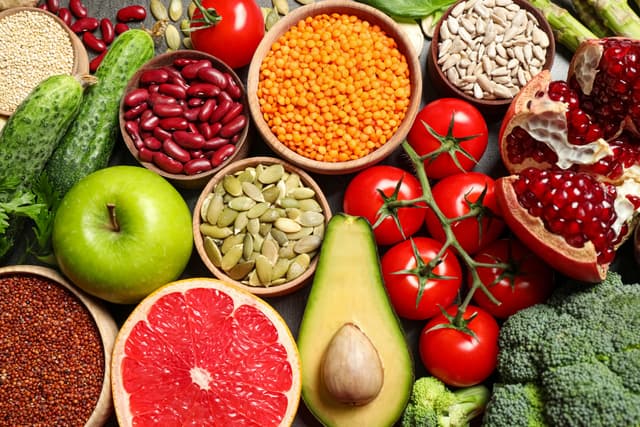
Simple lifestyle modifications can go a long way in enhancing fertility in PCOS individuals. Whole foods, regular exercise, and getting enough sleep are all parts of a balanced diet that can regulate hormones and aid ovulation. Managing stress is equally important, as it can affect reproductive hormones.
Small, sustainable changes in weight levels can enhance ovulation and raise the risk of conception. The habits not only contribute to the PCOS infertility management but also promote health and well-being in the long run.
Seek medical advice if pregnancy has not occurred after 12 months of trying, or after 6 months if you are over the age of 35.
Tips to boost fertility naturally with PCOS
Small, consistent lifestyle changes can play a meaningful role in improving fertility outcomes for individuals with PCOS.
- Maintain a balanced, nutrient-rich diet to support overall hormonal health
- Engage in regular physical activity to improve insulin sensitivity
- Manage stress through relaxation techniques or mindfulness practices
- Prioritise adequate, quality sleep each night
- Focus on regulating hormones through healthy daily habits
- Support better insulin response to aid ovulation
When to see a doctor
It is important to seek medical advice if you notice persistent symptoms that may indicate an underlying hormonal imbalance or fertility concern.
- Menstrual cycles are highly irregular, missed, or unpredictable over several months
- No pregnancy after 12 months of trying (or after 6 months if over the age of 35)
- Signs of hormonal imbalance, such as persistent acne or excessive hair growth
- Difficulty tracking ovulation or noticeable changes in ovulation patterns
- Unexplained pelvic pain or unusual changes in menstrual patterns
- Ongoing symptoms such as fatigue, mood swings, or sleep disturbances
PCOS isn't the end of your story
PCOS may seem like that twist of the plot that no one wanted to see, but it is not the conclusion of the story. Anyway, it only means the trip may take a slightly different route.
The question of whether PCOS can cause infertility is not a straightforward one. While it may make conception more challenging, it is not an insurmountable barrier. Many individuals with PCOS go on to have successful pregnancies, often with the right combination of patience, support, and lifestyle adjustments.
It is completely normal to feel uncertain in such situations. However, understanding your own body is already a significant first step, and often the beginning of a positive journey forward.
Frequently Asked Questions
1. Can you get pregnant if you have PCOS?
Yes, it is possible to get pregnant if you have PCOS. Although ovulation may be irregular, it can still occur, allowing conception to happen naturally. Many individuals with PCOS are able to conceive with appropriate care, lifestyle management, and, in some cases, medical support. However, it may take longer compared to those without the condition.
2. What are the odds of being infertile with PCOS?
PCOS increases the risk of infertility primarily due to irregular ovulation, but it does not mean infertility is inevitable. Many individuals with PCOS are still able to conceive naturally. It is considered a common cause of ovulatory infertility rather than a permanent inability to conceive.
3. At what age is peak fertility with PCOS?
Fertility is generally highest in the 20s and early 30s. However, in PCOS, age is not the sole determining factor. Hormonal balance, metabolic health, and overall lifestyle often play a more significant role in reproductive potential.
4. Why is it so hard to conceive with PCOS?
Conception can be more challenging in PCOS because ovulation is often irregular or unpredictable. Hormonal imbalances and insulin resistance may interfere with the normal release of eggs, reducing the number of fertile opportunities within each cycle. Despite this, pregnancy is still very much possible.
5. What vitamins are good for PCOS fertility?
Nutrients such as vitamin D, B vitamins, and omega-3 fatty acids may support hormonal balance and reproductive health. A well-balanced, nutrient-rich diet can help improve overall fertility outcomes in individuals with PCOS.
Share Article