
 Medically Reviewed
Hormonal Health
Fatty Liver Diet: Your Complete NAFLD Nutrition Guide
Jun 16, 2026
•7 min read
Share Article


Diet often gets a bad reputation as the overly strict friend who takes the fun out of food. But when it comes to fatty liver, it is less about restriction and more about making smarter, sustainable choices.
In fact, food plays a central role in managing fatty liver. What is eaten daily directly influences how the liver stores fat, processes sugar, and performs its essential functions.
Understanding the right diet for fatty liver is not about cutting everything out. It is about choosing foods that support the liver, ease its workload, and help it recover over time. And the good part? It is far more practical and achievable than it may seem.
Since 2023, the preferred medical term for Non-Alcoholic Fatty Liver Disease (NAFLD) has been Metabolic Dysfunction-Associated Steatotic Liver Disease (MASLD). The new name better reflects the condition's underlying metabolic causes, but the disease itself remains the same.
How diet impacts fatty liver disease
The liver plays a central role in processing fats and sugars. When excess calories are consumed — especially from sugar and refined carbohydrates — the surplus is converted into fat by the liver.
Over time, this leads to fat buildup in liver cells, a key feature of fatty liver disease. A well-planned diet may help reverse this in the early stages by reducing fat accumulation and improving metabolic function.
Research shows that cutting down on added sugars and improving overall diet quality can significantly reduce liver fat levels.
When an individual consumes too many calories, particularly added sugars and refined carbohydrates, the surplus is converted by the liver to fat.
Best foods for fatty liver
Managing a fatty liver begins with choosing the right foods. The focus should be on options that support metabolism, reduce inflammation, and aid the liver's recovery.
1. Vegetables and fruits
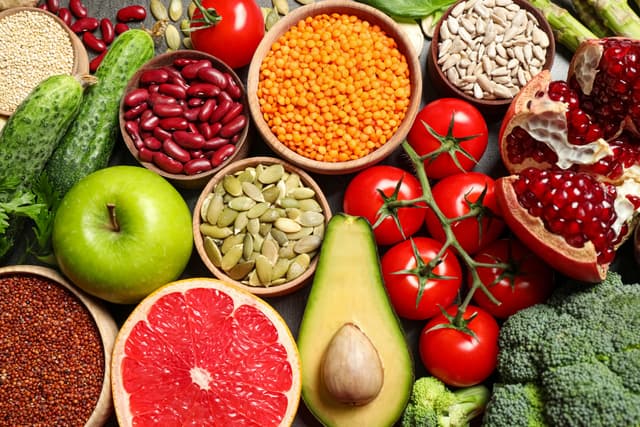
Fruits and vegetables are very important in a fatty liver diet as they contain fibre, vitamins, and antioxidants, which promote liver activity. The fibre helps slow down sugar uptake, reducing excess fat storage in the liver. Antioxidants decrease inflammation and enable the liver to heal more effectively. Particularly beneficial are leafy greens, berries, apples, and citrus fruits. Incorporating a range of colourful fruits and vegetables every day may enhance digestion, metabolism, and long-term liver health.
2. Healthy fats
Eat fat to lose fat? The type of fat matters. Healthy fats — particularly monounsaturated fats (MUFAs) and omega-3 fatty acids — may help reduce fat accumulation in the liver and support overall metabolic health. Nuts, seeds, and plant-based oils are excellent sources of these beneficial fats, which may help improve inflammation and fat metabolism. Unlike unhealthy fats, they are associated with a lower risk of liver fat build-up and can be a valuable part of a liver-friendly diet.
3. High-fibre foods
Foods high in fibre form an important component of a diet to manage fatty liver disease. Whole grains, legumes, vegetables, and fruits slow digestion, which helps avoid sudden rises in blood sugar. This may decrease the amount of surplus sugar that is converted into fat. Fibre also supports gut health, which plays a role in metabolic function.
4. Lean proteins
Lean proteins are vital in a fatty liver diet because they help maintain muscle mass and support appetite. Low-fat protein sources such as legumes, soy products, and egg whites are important sources of essential nutrients and do not contribute to excess fat. Protein also helps maintain steady energy levels and may prevent overeating, which can cause fat storage in the liver.
Foods to avoid with fatty liver
Avoiding certain foods is just as important as choosing the right ones. Some dietary choices can promote fat buildup and gradually impair liver health
1. Added sugar and refined carbs
Some of the major causes of liver fat include sugar and refined carbohydrates. Sweets, soft drinks, white bread, and pastries are foods that lead to a quick increase in blood sugar level. The surplus sugar is then turned into fat and stored in the liver. Frequent use may exacerbate fat buildup and delay healing. It is imperative to cut down on these foods in a fatty liver diet since it will help stabilise blood sugar levels and avoid additional burden on the liver.
2. Fried and processed foods
Processed and fried foods are high in unhealthy fats and high levels of sodium that can disrupt normal fat metabolism in the body. These foods raise the inflammation and make the liver less effective at breaking down fats. Frequent consumption may cause additional fat buildup and liver impairment. One of the most important aspects of managing foods to avoid with fatty liver is avoiding these foods, as it helps to stabilise metabolism and reduce the stress on the liver in the long-term.
3. Alcohol
Alcohol directly stresses the liver and disrupts the liver's ability to process fats in the right way. Moderate consumption, too, can decelerate the recovery process and raise cumulative fat accumulation. Alcohol breakdown is given preference by the liver, postponing other crucial duties such as fat breakdown. Restricting or eliminating alcohol is vital in the diet of a fatty liver disease, as it enables the liver to heal itself and work more effectively.
Even small amounts of alcohol can place extra stress on a fatty liver and worsen inflammation over time.
Sample 7-day fatty liver diet plan
A structured meal plan makes a fatty liver diet more manageable and removes the guesswork from day-to-day food choices. It is not about perfection, but consistency. Each day is built around balanced meals of fibre, healthy fats, and lean protein to support metabolism and reduce liver fat.
Here is an easy, achievable 7-day plan:
Day 1
Breakfast: Oats and berries
Lunch: Whole grains and lentils
Snack: Nuts or apples
Dinner: Millet khichdi + low-fat curd
Day 2
Breakfast: Ragi dosa + green chutney
Lunch: Whole grains with protein + cucumber salad
Snack: Nuts/seeds
Dinner: Moong dal soup with sautéed vegetables
Day 3
Breakfast: Vegetable oats upma
Lunch: Whole grains and greens
Snack: Citrus fruit
Dinner: Vegetable khichdi + green salad
Day 4
Breakfast: Fruity cereal
Lunch: Millet pulao with mixed lentils
Snack: Nuts or seeds
Dinner: Daliya/oats khichdi + vegetable raita
Day 5
Breakfast: Vegetable daliya + low-fat curd
Lunch: Whole grains with legumes + salad
Snack: Orange/pear
Dinner: Light vegetable curry with whole wheat roti + lentil soup
Day 6
Breakfast: Oats and nuts
Lunch: Mixed vegetables and grains
Snack: Berries/seeds
Dinner: Clear vegetable soup with moong dal cheela
Day 7
Breakfast: Besan cheela with vegetables
Lunch: Cooked vegetables with lentils + wholegrain
Snack: Seeds or nuts
Dinner: Vegetable stir fry with millet roti
Lifestyle tips to complement your diet
Diet plays a key role in managing fatty liver, but it works best when supported by healthy lifestyle habits. Simple changes like staying active, managing stress, and maintaining good sleep can enhance metabolic health and help the liver function more efficiently over time.
- Exercise to aid in burning liver fat.
- Keep a normal weight, particularly around the belly.
- Sleep well, 7-8 hours to aid metabolism.
- Managing stress levels will help to avoid unhealthy eating habits.
- Keep yourself hydrated to aid digestion and liver function.
- Avoid prolonged inactivity or sitting
- Have a strict schedule for food and exercise.
A standard fatty liver diet is based on a stable fat energy, less sugar peaks, and better fat metabolism.
Lifestyle tips to complement your diet
Diet plays a key role in managing fatty liver, but it works best when supported by healthy lifestyle habits. Simple changes like staying active, managing stress, and maintaining good sleep can enhance metabolic health and help the liver function more efficiently over time.
A few habits worth building into your routine:
- Exercise regularly to help burn liver fat.
- Maintain a healthy weight, particularly around the belly.
- Aim for 7–8 hours of sleep per night to support metabolism.
- Manage stress levels to reduce the likelihood of unhealthy eating habits.
- Stay well hydrated to aid digestion and liver function.
- Avoid prolonged periods of inactivity or sitting.
- Keep a consistent schedule for meals and exercise.
The fatty liver diet starts with making healthier choices
A fatty liver diet begins with making better everyday choices. It is not about giving up everything you enjoy, but about refining how you eat on a daily basis.
There are no extreme rules or unrealistic expectations. Instead, it focuses on simple swaps, balanced meals, and consistency over time. Because when it comes to liver health, small, sustained changes can lead to meaningful results.
And the best part? It is a practical approach that most people can realistically stick to.
Frequently asked questions
1. What is the best diet for a fatty liver?
The optimal diet is built on whole foods — vegetables high in fibre, fruits, lean proteins, and healthy fats — along with reducing added sugar and processed foods to decrease liver fat and support metabolic health.
2. Which fruit is best for a fatty liver?
Fruits such as berries, apples, and citrus fruits are beneficial because of their fibre and antioxidant properties, which support liver function and reduce inflammation. Whole fruits are preferable to fruit juices.
3. What are the 5 superfoods for the liver?
Leafy greens, berries, nuts, whole grains, and foods rich in healthy fats are considered beneficial because they may support metabolism, decrease inflammation, and maintain a healthy liver.
4. What not to eat with fatty liver?
Sweetened foods, refined carbohydrates, processed snacks, fried foods, and alcohol are best avoided as they may contribute to fat accumulation and affect liver health over time.
5. Can I eat eggs if I have fatty liver?
Yes, eggs can be included in moderation as part of a balanced diet. Egg whites are lower in fat and high in protein, while whole eggs may still be included depending on overall diet quality. It is best to speak with your doctor to understand what works best for your individual health needs.
Share Article