

 Clinically Reviewed
General Health
Creatine HCL vs Monohydrate: Full Comparison Guide
Jun 15, 2026
•5 min read
Share Article

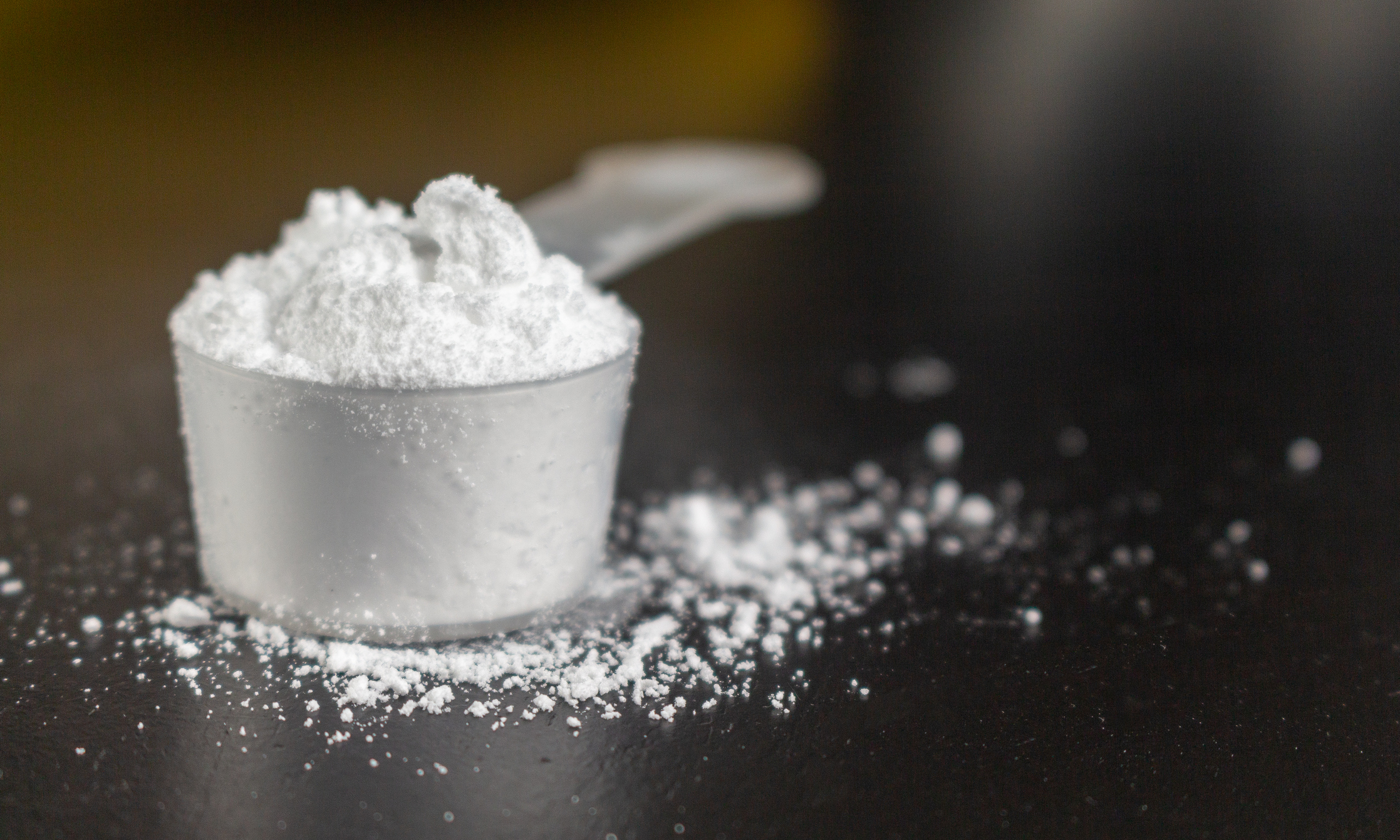
Creatine is one of the most researched and widely used compounds in sports nutrition, valued for its role in supporting strength, performance, and muscle gain. Many fitness enthusiasts often pause while choosing between different creatine forms, unsure which one truly aligns with their goals for strength, performance, or muscle gain. With options like creatine monohydrate and creatine hydrochloride (HCL), the decision can quickly become confusing.
Dive into this blog to explore the key differences, benefits, and considerations of each form to make a more informed choice.
What is creatine monohydrate?
Creatine monohydrate is the original and most extensively studied form of creatine. It consists of a creatine molecule bound with a water molecule, and it has been used for decades in sports nutrition.
Its popularity stems from strong scientific evidence supporting its effectiveness. Creatine monohydrate helps increase phosphocreatine stores in muscles, which in turn improves the body's ability to produce ATP (adenosine triphosphate), the primary energy source during high-intensity exercise.
It is widely available, affordable, and generally considered the gold standard of creatine intake.
Did You Know?
Creatine monohydrate consists of a creatine molecule bound with a water molecule.
What is creatine HCL?
Creatine hydrochloride (HCL) is a newer form of creatine, created by binding creatine with hydrochloric acid. This process is designed to improve solubility and absorption compared to the monohydrate.
Manufacturers often market creatine HCL as a more advanced alternative, claiming it dissolves better in water and causes fewer digestive issues. Because of its increased solubility, it is typically taken in smaller doses than creatine monohydrate.
While promising, creatine HCL does not yet have the same depth of research backing its effectiveness as monohydrate.
Key differences: HCL vs monohydrate
Solubility and absorption
One of the main selling points of creatine HCL is its superior solubility. It dissolves easily in water, leaving little to no residue. This can make it more pleasant to consume and may reduce the likelihood of stomach discomfort for some users.
Creatine monohydrate, on the other hand, is less soluble. It can settle at the bottom of a glass if not mixed thoroughly, and some people report mild bloating or stomach upset, particularly when taking higher doses.
However, despite these differences, both forms are effectively absorbed by the body. The claim that HCL is significantly better absorbed remains inconclusive due to limited comparative research.
Dosage required
Creatine monohydrate typically follows a well-established dosing protocol: an optional loading phase of around 20 grams per day (split into 4 doses) for 5–7 days, followed by a maintenance dose of 3–5 grams per day.
Creatine HCL does not require a loading phase. Because it is more concentrated and soluble, the recommended dose is much smaller, usually around 1–2 grams per day. This lower dosage can be appealing, especially for those who prefer minimal supplementation or want to avoid the inconvenience of loading phases.
Side effects
Some users of creatine monohydrate report bloating, water retention, or mild gastrointestinal discomfort. These effects are often linked to higher doses or improper mixing rather than the compound itself.
Creatine HCL is often marketed as being gentler on the stomach. Many users claim reduced bloating and fewer digestive issues, likely due to its improved solubility and lower required dose. That said, both forms are generally safe for healthy individuals when taken as recommended. Serious side effects are rare.
Quick Fact
Creatine hydrochloride (HCL) is a newer form of creatine, created by binding creatine with hydrochloric acid.
Which is more effective?
When it comes to effectiveness, creatine monohydrate still holds the crown. It has decades of research supporting its ability to increase strength and power, improve exercise performance, and enhance muscle growth over time.
Creatine HCL has been studied to a lesser extent compared to creatine monohydrate. Current evidence does not clearly demonstrate superior effectiveness over monohydrate for improving performance or muscle gain. In practical terms, both forms can work, but monohydrate is the safer bet if you are looking for proven results.
Who should choose creatine HCL?
Creatine HCL may be a suitable option for individuals who experience bloating or stomach discomfort with monohydrate, those who prefer smaller daily doses, people who struggle with mixing powders or dislike the gritty texture of monohydrate, and users looking for a more convenient, no-loading approach.
Quick Tip
Athletes aiming to maximise strength, performance, and muscle gain may consider creatine monohydrate.
Who should choose creatine monohydrate?
Creatine monohydrate is ideal for beginners and experienced lifters alike, anyone looking for a cost-effective option, individuals who want a product backed by extensive research, and athletes focused on maximising strength, performance, and muscle gain. If you tolerate it well, there is little reason to switch away from monohydrate.
Making the right creatine choice
Both creatine monohydrate and creatine HCL offer benefits, but they cater to slightly different preferences. Monohydrate remains the most reliable and scientifically supported option, making it the top choice for most people. It is effective, affordable, and widely trusted.
Creatine HCL, meanwhile, offers advantages in solubility and convenience, with potentially fewer digestive issues for some users. However, its higher cost and limited research make it less compelling as a first choice.
Ultimately, the best creatine is the one that you can take consistently without discomfort. If monohydrate works for you, it is likely all you need. If not, HCL may be worth trying as an alternative.
Frequently Asked Questions
1. What is the main difference between creatine HCL and creatine monohydrate?
Creatine monohydrate is the most researched and widely used form of creatine, while creatine HCL is a newer form designed for better solubility in water. Both aim to support performance, but differ mainly in formulation and dosage requirements.
2. Which is more effective for muscle gain?
Creatine monohydrate is generally considered more effective due to extensive scientific evidence supporting its role in improving strength and muscle growth. Creatine HCL may also be effective, but it has less research backing its long-term benefits.
3. Does creatine HCL cause less bloating than monohydrate?
Some users report less bloating or stomach discomfort with creatine HCL due to its higher solubility. However, monohydrate is also well tolerated by most people when taken in appropriate doses with sufficient water.
Sources:
Share Article
Related Articles
Jun 15, 2026
•4 min read
Clinically ReviewedCreatine For Females: Everything Women Need To Know

Jun 15, 2026
•4 min read
Clinically ReviewedBenefits of Running in the Morning: Science-Backed Reasons to Start

Jun 15, 2026
•5 min read
Clinically ReviewedWalking Workouts: Structured Plans For Every Fitness Goal