
 Medically Reviewed
General Health
Creatine For Females: Everything Women Need To Know
Jun 15, 2026
•4 min read
Share Article

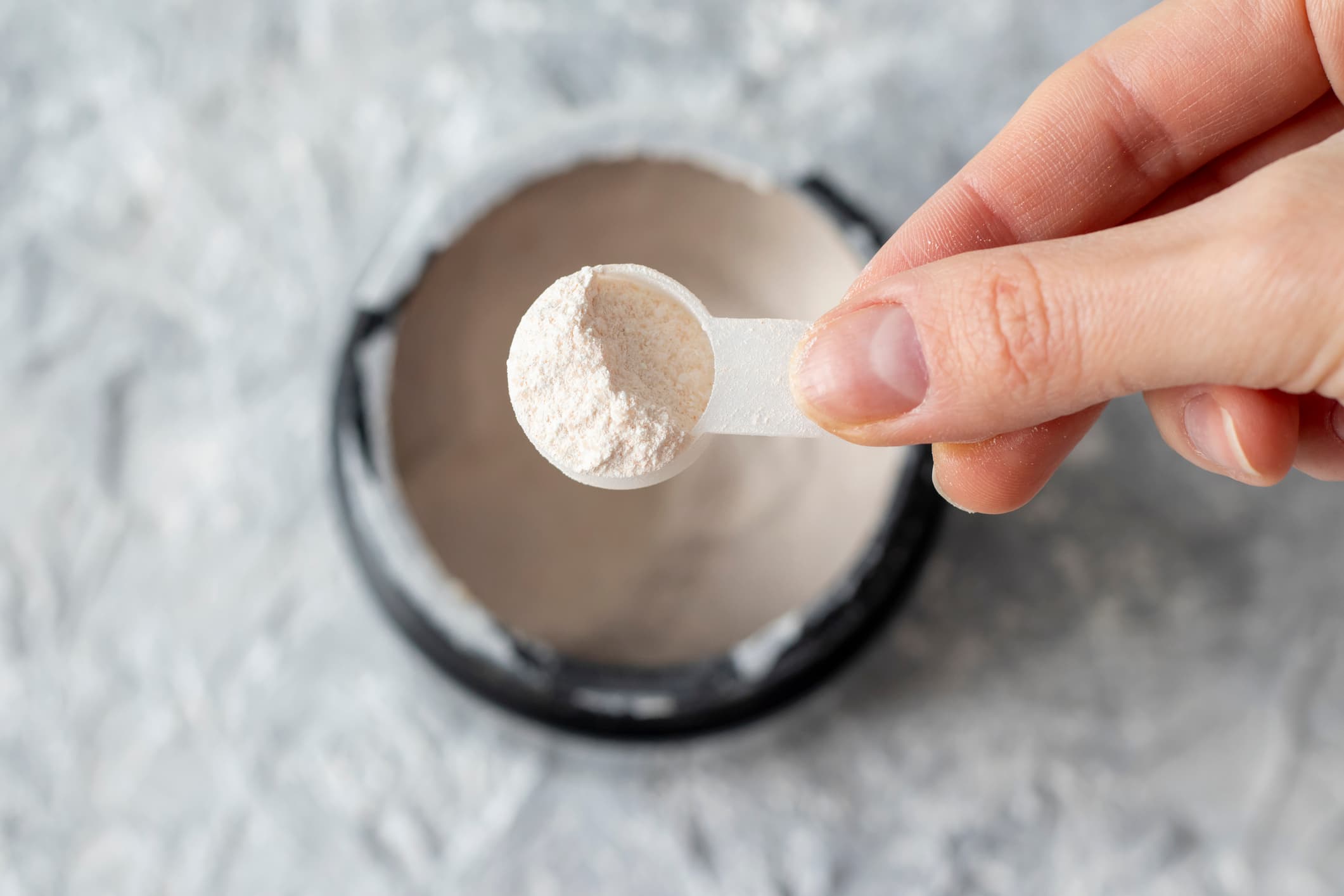
You're in the middle of a workout, pushing through those last few reps, when someone at the gym casually mentions creatine. And suddenly, the questions start: Is it safe for women? Will it make me bulky? Do I even need it? If this sounds familiar, you're not alone. Creatine is often surrounded by confusion, especially when it comes to women's fitness.
The reality is quite different from the myths. Creatine is one of the most researched compounds in sports nutrition and plays a key role in supporting strength, energy, and performance for women as well. In this blog, we dive into everything women need to know about creatine: how it works, its benefits, safety, and whether it truly fits into your fitness journey.
What is creatine, and how does it work?
Creatine is a naturally occurring compound found in small amounts in foods such as meat and fish. It is also produced by the body, primarily in the liver, kidneys, and pancreas.
Once stored in muscles, creatine helps regenerate ATP (adenosine triphosphate), which is the body's primary energy source for short bursts of high-intensity activity. This includes activities such as sprinting, resistance training, or high-intensity workouts.
In simple terms, creatine helps your muscles recover energy faster, allowing you to train harder and for longer periods.
Creatine is not gender-specific, and studies show that women experience similar benefits as men.
Can women take creatine?
Yes, women can safely use creatine. Creatine is not gender-specific, and studies show that women experience similar benefits as men, including improved strength, exercise performance, and muscle recovery.
It is a naturally occurring compound, not a hormone, and does not interfere with female hormonal balance. When used correctly, creatine is a well-researched and effective support for physical performance and fitness goals in women.
Regular use may also help improve training consistency by reducing fatigue during high-intensity workouts. It can support lean muscle development when combined with resistance training and a balanced diet. Over time, this may make it a practical addition for women aiming to improve overall fitness and strength.
Studies indicate that creatine, when combined with resistance training, may support improved bone density.
Benefits of creatine for women
Creatine offers several benefits that extend beyond just muscle building. For women, it may support fitness, cognitive function, and long-term health.
Muscle strength and toning
Creatine helps improve muscular strength, allowing women to perform resistance training more effectively. Over time, this supports lean muscle development, which contributes to a toned and defined physique rather than bulkiness. It is important to note that creatine does not cause sudden or excessive muscle growth. Instead, it enhances training capacity, which leads to gradual, natural improvements in muscle tone.
Improved athletic performance
For women engaged in sports, gym training, or high-intensity workouts, creatine can enhance performance. It improves short bursts of energy, helps delay fatigue, and supports faster recovery between sets or sessions. This makes workouts more productive and consistent over time.
Brain health benefits
Creatine is not just beneficial for muscles; it also plays a role in brain energy metabolism. Research suggests it may support cognitive function, particularly in situations involving mental fatigue, stress, or sleep deprivation. For women balancing busy lifestyles, work, and physical activity, this cognitive support can be an added advantage.
Bone density support
Bone health is a key concern for women, especially with age. Some studies indicate that creatine, when combined with resistance training, may support improved bone density. This makes it a potentially valuable addition to long-term health and wellness strategies.
Creatine side effects for females
Creatine is generally well-tolerated. However, some women may experience mild side effects, particularly during the initial phase of supplementation. The most commonly reported effect is slight water retention within the muscles, which may cause a small increase in body weight. This is not fat gain but rather water stored in muscle cells.
Occasionally, some individuals may experience mild digestive discomfort if creatine is taken in large doses or without adequate water. These effects are usually temporary and can often be managed by adjusting dosage or timing.
Is creatine safe? What research shows
Creatine is one of the most extensively researched compounds, with long-term studies consistently supporting its safety in healthy individuals when taken at recommended doses. It has been studied for decades across diverse groups, including women, athletes, and older adults, with well-established findings on its use and effects.
Importantly, there is no strong scientific evidence linking creatine use to kidney damage in healthy individuals, a common misconception. However, those with existing kidney conditions should consult a healthcare professional before use. Overall, creatine is considered safe and effective, with strong support from scientific research.
Some individuals may experience mild digestive discomfort if creatine is taken in large doses or without adequate water.
Fuel your strength
Creatine is not just for men or professional athletes. It is a well-researched component that may support strength, energy, brain function, and overall performance in women.
When used correctly and consistently, it can be a valuable addition to a balanced fitness and wellness routine. As always, results are best achieved when combined with regular exercise, proper nutrition, and healthy lifestyle habits.
Frequently Asked Questions
1. Should females take creatine?
Yes, women can safely take creatine and benefit from its effects on strength, energy, and performance.
2. How to use creatine for a woman?
A daily dose of 3–5 grams is typically recommended, mixed with water or added to a drink.
3. Can creatine affect female hormones?
No, creatine does not affect or alter female hormone levels.
4. Does creatine affect women's breasts?
No, there is no scientific evidence that creatine affects breast size or tissue.
5. What happens when females take creatine?
Women may experience improved strength, better workout performance, and increased muscle energy over time.
Share Article