

 Clinically Reviewed
Parenthood
Healthy Baby Food Recipes for 1-Year-Old
Mar 31, 2026
•8 min read
Share Article

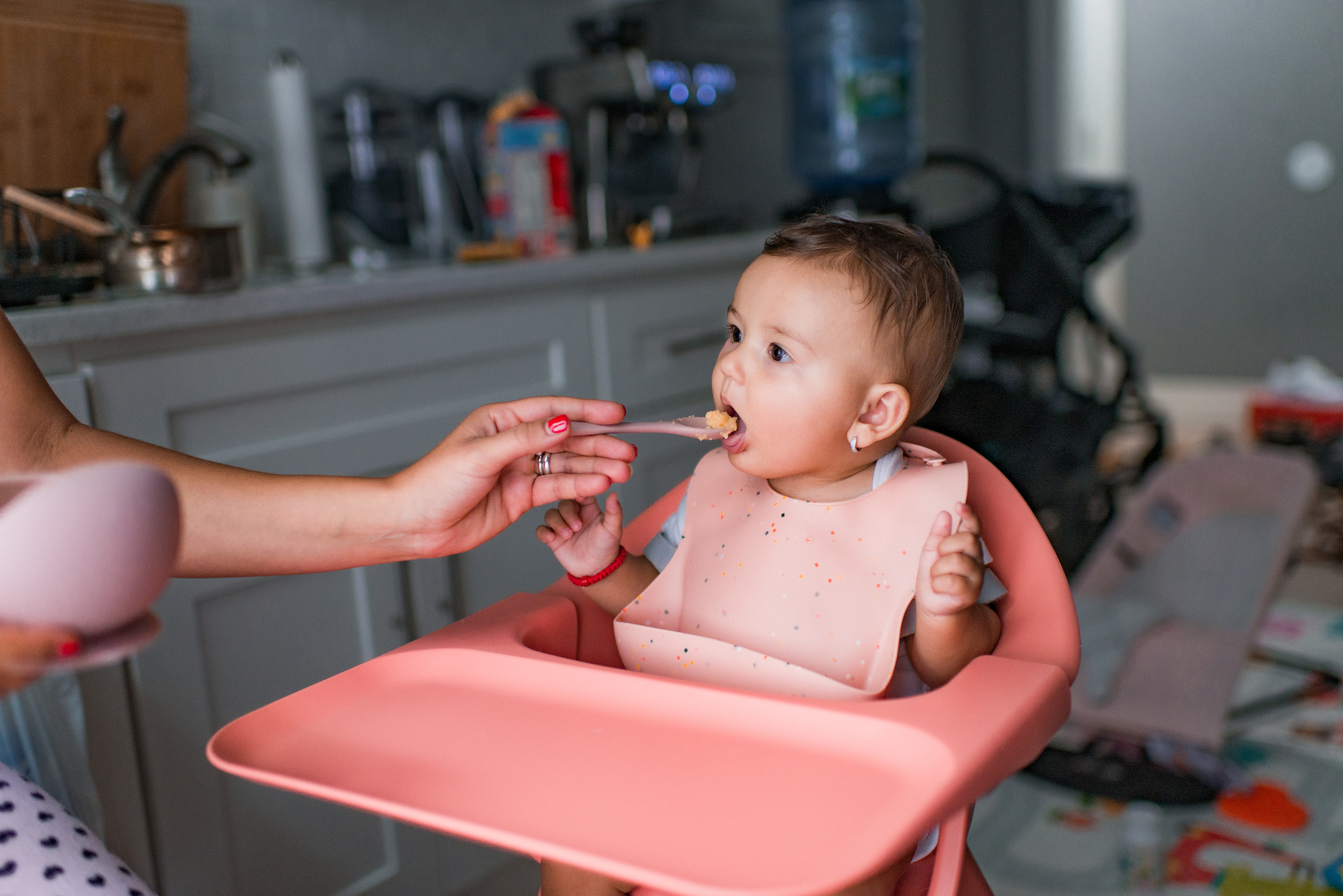
Mealtimes with a 1-year-old can be a bit of an adventure. Some days, your little one eagerly devours every spoonful, and on other days, even their favourite mashed potatoes seem suspicious. It’s all part of the journey of discovering new flavours, textures, and a toddler’s ever-changing preferences.
That’s why homemade baby food recipes for a 1-year-old are such a lifesaver. When you prepare meals at home, you know exactly what goes into each dish, can adjust textures for tiny teeth, and introduce a variety of nutritious ingredients in a fun and creative way. From soft, colourful vegetables to simple protein-packed mixes, these recipes help your child explore food safely while developing healthy eating habits. In this blog, we’ll dive into easy, wholesome, and enjoyable recipes that make mealtimes less stressful, more nourishing, and full of little moments of joy for both you and your toddler.
Nutritional needs of a 1-year-old baby
At one year of age, babies need a balanced and nutrient-rich diet to support rapid physical growth and brain development. Although breast milk or full-fat cow’s milk can still be included, solid foods should provide most of the nutrition, making homemade baby food recipes for a 1-year-old an important part of daily meals. Whole cow’s milk can be introduced around 12 months of age, but daily intake should usually be limited to 400–500 ml to prevent it from displacing iron-rich solid foods.
Key nutrients include protein for growth, healthy fats for brain development, and iron to support cognitive function and prevent anaemia. According to several studies, iron deficiency in early childhood can affect mental development, emphasising the need for iron-rich foods such as lentils, beans and green vegetables. Calcium and vitamin D are also essential for strong bones. Furthermore, offering a variety of foods with different textures, colours and flavours helps ensure adequate vitamin and mineral intake. Combining plant-based iron sources, like lentils or beans, with vitamin C-rich foods such as tomatoes, lemons, or oranges can enhance iron absorption.
Did You Know?
According to several studies, iron deficiency in early childhood can affect mental development.
Healthy homemade baby food recipes for a 1-year-old
Preparing food at home allows parents to offer fresh, nutritious meals without added salt, sugar or preservatives, making it the best food for a 1-year-old baby. At this age, meals should be soft in texture, well-cooked and easy to chew, while still providing a variety of essential nutrients. Simple homemade options include mashed vegetables with lentils, soft rice combined with seasonal vegetables, or sweet potato and pea mash.
As chewing skills develop, foods can be lightly mashed or finely chopped to encourage self-feeding and improve oral motor development. Gentle cooking methods such as steaming, boiling, and baking help retain nutrients while keeping food easy to digest. Natural flavours can be enhanced with mild herbs like basil or coriander, but strong spices and seasoning should be avoided to protect a young and developing digestive system.
Breakfast food ideas for a 1-year-old
Mornings with a one-year-old can be busy and wonderfully unpredictable, but a good breakfast can set the tone for the day. Including simple, balanced meals is an important part of planning healthy baby food recipes for a 1-year-old. Here are a few options.
- Soft porridge with mashed banana or apple: Gentle on digestion and keeps your baby full for longer.
- Scrambled eggs cooked without salt: A good source of protein and easy to chew when served soft.
- Full-fat yoghurt mixed with mashed fruit: Provides calcium and supports healthy digestion.
- Overnight oats with grated pear or apple: Naturally sweet and soft in texture.
- Soft, ripe fruit such as a banana or stewed apple: Simple and quick to make and suitable for little tummies.
Lunch and dinner food ideas for a 1-year-old
As your little one becomes more active, lunch and dinner meals need to do more than just fill tiny tummies. Well-balanced meals are an essential part of healthy baby food recipes for a 1-year-old, supporting steady growth, brain development and healthy eating habits.
- Vegetable and lentil mash
This meal is rich in plant-based protein, iron and fibre, which help support muscle growth and digestion. Its soft texture makes it easy for a 1-year-old to chew and swallow safely.
- Soft rice with mixed vegetables
A gentle and filling option that provides energy for an active toddler. Adding a variety of vegetables ensures a good intake of vitamins and minerals while introducing different flavours.
- Mashed sweet potato with peas
Naturally sweet and comforting, this dish is high in vitamin A and antioxidants that support immunity and eye health. The peas also add protein and fibre.
- Fish and vegetable mash
Fish provides healthy fats that support brain development, while vegetables add essential vitamins. Ensure the fish is boneless and thoroughly cooked before serving.
- Chickpea or bean mash with rice
A nourishing vegetarian option that supplies protein, iron and fibre. It helps keep your baby full and supports healthy digestion.
Quick Fact
Naturally sweet and comforting, mashed sweet potato is high in vitamin A and antioxidants that support immunity and eye health.
Healthy snack ideas for 1-year-old babies
Snack time is a perfect opportunity to sneak in extra nutrition while keeping your little one happy and satisfied. For foods for a 1-year-old with few teeth, soft textures and easy-to-chew options are key to making snacking safe and enjoyable.
- Soft fruit slices (banana, ripe pear or mango)
Naturally sweet and easy to gum, these fruits provide vitamins and hydration while being gentle on tender gums. - Full-fat plain yoghurt
Rich in calcium and probiotics, yoghurt supports bone health and digestion, and its smooth texture is ideal for babies with few teeth. - Mashed avocado
Packed with healthy fats that support brain development, avocado is naturally soft and easy for little ones to eat. - Steamed vegetable sticks (carrot or sweet potato)
When cooked until very soft, these vegetables encourage self-feeding and provide essential vitamins. - Homemade oat biscuits without added sugar
Soft-baked and lightly textured, these offer energy and fibre while being easy to chew.
Foods to avoid for 1-year-old babies
Even though toddlers love to try everything in sight, some things are better left off the menu. When planning food ideas for a 1-year-old, it’s important to know which foods can pose a risk to health, digestion, or safety.
- Whole nuts and popcorn
These are major choking hazards for young children and should be avoided until they can chew properly. - Honey
Honey may contain spores of Clostridium botulinum, which can cause infant botulism. It is not safe for children under 12 months. - Salt and salty foods
Processed foods like crisps, salted crackers, or canned foods contain high sodium, which can strain developing kidneys. Avoid adding salt to homemade meals as well. - Sugary foods and drinks
Sweets, chocolates, biscuits, fizzy drinks and fruit juices can damage teeth, increase the risk of obesity, and create a preference for very sweet flavours. - Whole grapes, cherry tomatoes, or large pieces of raw vegetables
Hard or round foods can easily cause choking. Always cut fruit and vegetables into small, manageable pieces or cook them until soft. - Fried and heavily processed foods
Foods like fried chips, sausages, or processed ready meals are often high in unhealthy fats, salt, and preservatives, and are difficult for a toddler’s digestive system to process. - Spicy foods
Strongly spiced dishes can irritate a toddler’s sensitive digestive system and may lead to discomfort or tummy upset. Mild herbs can be used instead. - Caffeinated drinks
Tea, coffee or energy drinks should never be given, as caffeine is unsuitable for young children and can affect sleep and growth. - Baked items: Foods like biscuits, bread, cakes are high in Maida, which can cause severe constipation in children, as onstipation is a severe issue at this age.
Quick Tip
Always cut fruit and vegetables into small, manageable pieces or cook them until soft.
Tips for preparing homemade baby food safely
A little care goes a long way when creating the best food for a 1-year-old baby. Safe preparation ensures your little one enjoys nutritious meals without any risk to their health.
- Wash hands, utensils and surfaces thoroughly
Always clean your hands before handling food, and make sure chopping boards, knives and bowls are free from bacteria to prevent foodborne illnesses. - Cook food thoroughly
Steaming, boiling or baking vegetables, meats and grains ensures they are soft, easy to chew, and safe to eat. Undercooked food can carry harmful bacteria. - Cool food before serving
Hot food can burn tiny mouths, so allow meals to cool to a safe temperature before offering them to your baby. - Reheat safely
Only reheat the portion your baby will eat and avoid reheating the same food multiple times. Stir the food well and check the temperature before serving. - Cut food into small, manageable pieces
Ensure soft foods are mashed or finely chopped, and hard foods are sliced into small pieces to reduce choking risks.
Portion size and feeding schedule for a 1-year-old
At one year old, toddlers have small stomachs but high energy needs, so it’s important to offer the right portion sizes throughout the day. Typically, a 1-year-old will eat three main meals and two to three snacks, with each portion being small yet balanced to include proteins, carbohydrates, healthy fats, and fruits or vegetables. When planning meals, it’s important to focus on foods for a 1-year-old with few teeth, ensuring they are soft, easy to chew, and cut into manageable pieces to prevent choking. Following a consistent feeding schedule ensures your child receives the nutrients necessary for growth and development.
When to consult a paediatrician or a nutritionist
While most 1-year-olds thrive on a balanced diet, there are times when professional guidance is essential. You should consult a paediatrician or a registered nutritionist if your child shows signs of poor growth, persistent digestive issues, food allergies, or difficulty chewing and swallowing. Seeking advice is also helpful if you are unsure about providing a varied diet or introducing new foods. Professional guidance can ensure that your child receives the right nutrients and portion sizes and helps you plan the best food for a 1-year-old baby to support healthy growth, development, and long-term eating habits.
Conclusion
Feeding a 1-year-old can sometimes feel like a juggling act, but it’s also one of the sweetest ways to show love and bond with your tiny tot. With homemade baby food recipes for a 1-year-old, every spoonful becomes an opportunity to introduce new flavours, textures, and colours, helping your little one develop a healthy relationship with food from the very start.
By preparing meals at home, you not only ensure that each bite is nutritious and safe, but you also get to witness those tiny milestones: trying a new vegetable, mastering self-feeding, or simply enjoying a favourite dish.
Frequently Asked Questions
1. What are some easy homemade baby food recipes for a 1-year-old?
Simple options include mashed vegetables with lentils, soft rice with mixed vegetables, shredded chicken with carrots, or mashed sweet potato with peas. Meals should be soft, nutritious, and easy for little ones to chew.
2. Can I give my 1-year-old dairy products at home?
Yes, full-fat yoghurt, cheese, and milk can be included in homemade meals. They provide calcium and protein, but avoid adding extra sugar or salt.
3. How can I ensure my homemade baby food is safe?
Wash hands and utensils thoroughly, cook foods well, and store leftovers in airtight containers in the fridge or freezer. Reheat only the portion needed and check the temperature before serving.
Share Article