

 Medically Reviewed
Skin & Hair Health
Hot Showers and Your Skin: What You Need to Know
Feb 3, 2026
•6 min read
Share Article

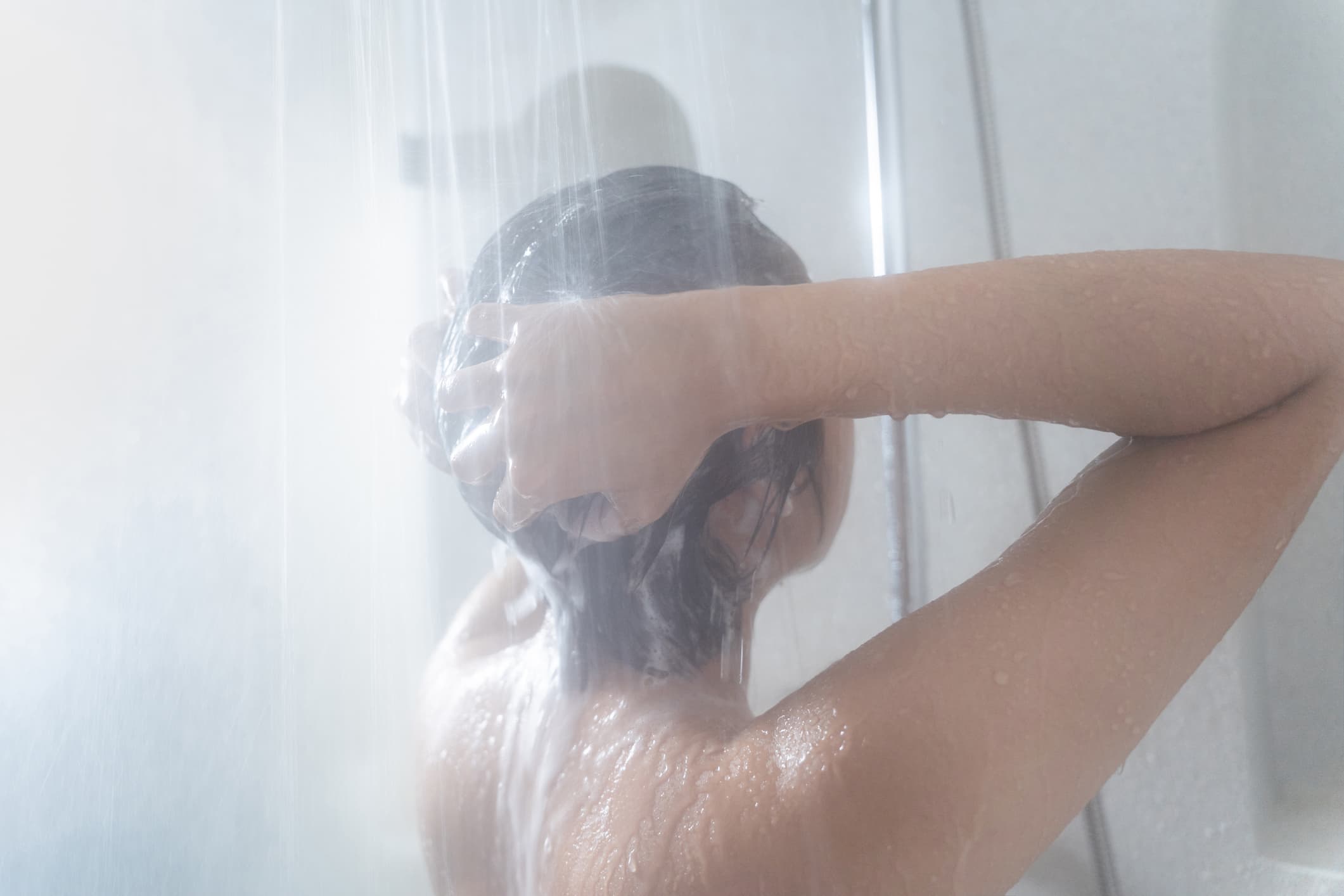
There’s nothing soothing like stepping into a hot shower after a long day; steam rising, muscles relaxing, and a moment of pure bliss. But while your mind is enjoying the warmth, your skin may be quietly signalling distress. The truth is, the hot water effects on skin are more than just a myth; prolonged exposure can strip away natural oils, disrupt the skin barrier, and leave you feeling itchy or irritated.
From a dermatologist’s perspective, repeated exposure to hot water is one of the most common yet overlooked causes of chronic dryness and barrier damage seen in clinical practice.
If you’ve ever wondered why your skin feels tight or rough after a shower, it could be due to hot water and dry skin. Over time, this combination can lead to persistent dryness and sensitivity, especially for those with naturally delicate skin. Dive into this blog to understand the science behind these effects and gain practical tips to help you enjoy your showers while keeping your skin healthy and hydrated.
How hot water affects your skin barrier
The skin barrier, also called the stratum corneum, is the outermost layer of the skin that protects against irritants, bacteria, and moisture loss. It relies on natural oils and intercellular lipids (ceramides, cholesterol, and fatty acids) to keep the skin supple, hydrated, and resilient. Exposure to high temperatures can weaken this barrier by breaking down the oils that hold skin cells together. Over time, this reduces the skin’s ability to protect itself and retain moisture.
These hot water effects on skin make it easier for moisture to escape and irritants to enter. As a result, hot water and dry skin are closely linked, often leaving the skin feeling tight, sensitive, and uncomfortable. Clinically, disruption of this lipid matrix leads to increased transepidermal water loss (TEWL), which is a key driver of post-shower dryness and irritation.
The skin barrier, also called the stratum corneum, is the outermost layer of the skin that protects against irritants, bacteria, and moisture loss.
Is hot water bad for skin? The science behind it
Heat has a noticeable impact on how the skin functions. When exposed to hot water, blood vessels near the surface dilate, which can cause temporary redness and a flushed appearance. While this may look harmless, repeated exposure can trigger irritation and low-grade inflammation, particularly in sensitive skin types. Another key effect is increased moisture loss. High temperatures speed up the evaporation of water from the skin, leaving it less hydrated during and after bathing. Over time, this raises the question of whether hot water is bad for skin, more than just a myth, especially for those prone to dryness.
Hot water also affects the skin’s natural balance. The skin’s slightly acidic pH helps defend against harmful bacteria, and frequent heat exposure can disrupt this protective environment. Exposure to hot water can induce mild skin inflammation and activate immune responses, potentially exacerbating irritation in sensitive or eczema-prone individuals. This imbalance may contribute to discomfort, sensitivity, and issues such as post-shower itching and dryness, making cooler temperatures a wiser long-term choice.
Hot showers and dry skin: Why it happens
Dry skin is a common result of frequent hot showers. The natural oils that protect and moisturise your skin are stripped away by high temperatures, making it harder for your skin to retain hydration. This often leaves the skin feeling tight, rough, or flaky, especially on the arms, legs, and hands.
When you combine hot showers with dry indoor air, particularly during colder months, moisture loss accelerates. This creates a cycle that can gradually lead to chronic dryness, cracking, and discomfort. For many, this raises the question: are hot showers bad for your skin?
Those with naturally dry or sensitive skin are particularly at risk. For them, repeated exposure to heat can worsen dryness and irritation, turning a minor inconvenience into a persistent issue. Understanding hot water effects on skin can help guide better habits, such as limiting shower temperature and duration, and using moisturisers immediately after bathing to restore lost hydration.
High temperatures speed up the evaporation of water from the skin, leaving it less hydrated during and after bathing.
Hot water and eczema: Is it harmful?
For people with eczema, also known as atopic dermatitis, hot showers can pose a real challenge. Eczema weakens the skin barrier, making it more sensitive to irritants. Exposure to hot water further disrupts this barrier, increasing the likelihood of flare-ups and irritation. Many may wonder, is hot water bad for eczema? While a hot shower might provide temporary relief from itching, the effect doesn’t last long. After the shower, the skin often feels drier and itchier, which can lead to scratching and prolonged inflammation.
This raises another important question: are hot showers bad for your skin in general, especially for those with eczema. Dermatologists strongly recommend opting for lukewarm water instead, keeping showers short, and applying moisturiser immediately afterwards to help restore hydration and strengthen the skin barrier. For eczema-prone skin, hot water is a well-recognised trigger and should be avoided as part of long-term disease control.
Apply a moisturiser while the skin is still slightly damp to lock in hydration.
Hot showers and itchy skin: Causes and prevention
Itchy skin after a hot shower is a common complaint, even for those without underlying skin conditions. Understanding the causes and simple preventive steps can help keep your skin comfortable.
Causes:
- Moisture loss:
Hot water strips away natural oils, causing dryness and irritation. This is one of the most noticeable hot water effects on skin. - Nerve sensitivity:
Heat can overstimulate skin nerve endings, triggering itchiness. - Histamine release:
In some people, hot water can trigger histamine, a chemical the body produces during reactions, which makes the skin red and itchy. It’s the body’s way of signalling irritation. - Weakened skin barrier:
Frequent hot showers can compromise the skin’s protective layer, making it more vulnerable to irritants, which is why some wonder whether hot water is bad for skin.
Prevention:
- Keep showers short and use lukewarm water instead of very hot water.
- Choose mild, fragrance-free cleansers to reduce irritation.
- Gently pat your skin dry rather than rubbing vigorously.
- Apply a moisturiser immediately after showering to lock in hydration.
Tips to protect your skin while showering
Showering can feel refreshing, but without care, it can also dry out or irritate your skin. Clinical evidence supports limiting shower duration and using lukewarm water to reduce moisture loss and preserve the skin barrier, particularly in sensitive or eczema-prone skin. Simple adjustments can help protect your skin and keep it healthy. Here are a few tips to keep your skin soft, supple and healthy this winter.
- Use lukewarm water:
Extremely hot water strips natural oils, which is one of the most common hot water effects on skin. - Keep showers short:
Limit your shower time to 5–10 minutes to prevent excessive moisture loss. - Choose gentle cleansers:
Mild, fragrance-free soaps are less likely to irritate the skin. - Avoid harsh scrubbing:
Using rough sponges or loofahs can damage the skin barrier. - Moisturise immediately:
Apply a moisturiser while the skin is still slightly damp to lock in hydration. - Be mindful of temperature:
Frequent use of very hot water increases the risk of dryness, irritation, and barrier damage, particularly for those with dry or sensitive skin.
Final thoughts: Are hot showers really bad for your skin?
Hot showers may feel like a mini spa moment, but your skin might be quietly filing complaints! The hot water's effects on skin, including dryness, irritation, and sensitivity, remind us that moderation is key. By opting for lukewarm water, keeping showers short, and following a good moisturising routine, you can still enjoy a relaxing shower without compromising your skin’s health. After all, a little care goes a long way in keeping your skin soft, comfortable, and happy.
Frequently Asked Questions
1. Can hot showers cause eczema flare-ups?
Yes, hot water can further weaken the skin barrier in eczema-prone skin, leading to increased irritation and flare-ups.
2. How does hot water affect sensitive skin?
Sensitive skin is more prone to redness, itching, and inflammation when exposed to hot water frequently.
3. Is lukewarm water better for the skin than hot water?
Absolutely. Lukewarm water helps cleanse without stripping oils, maintaining hydration and the skin’s natural barrier.
Share Article
Related Articles
May 27, 2026
•4 min read
Medically ReviewedHow to Remove Blackheads from Nose: Effective Methods and Tips

Mar 31, 2026
•6 min read
Medically ReviewedHow to Keep Skin Hydrated: A Complete Guide for All Skin Types
Mar 30, 2026
•6 min read
Medically ReviewedHair Follicles Acting Up? Here’s All About Folliculitis