

 Clinically Reviewed
Skin & Hair Health
How to Remove Injury Marks from Face: Tips and Natural Remedies
Got a scar that tells a story you'd rather not share? Let's turn that 'oops' into 'oops, who?' with some tips to help fade those marks— humour included.
Feb 17, 2026
•6 min read
Share Article

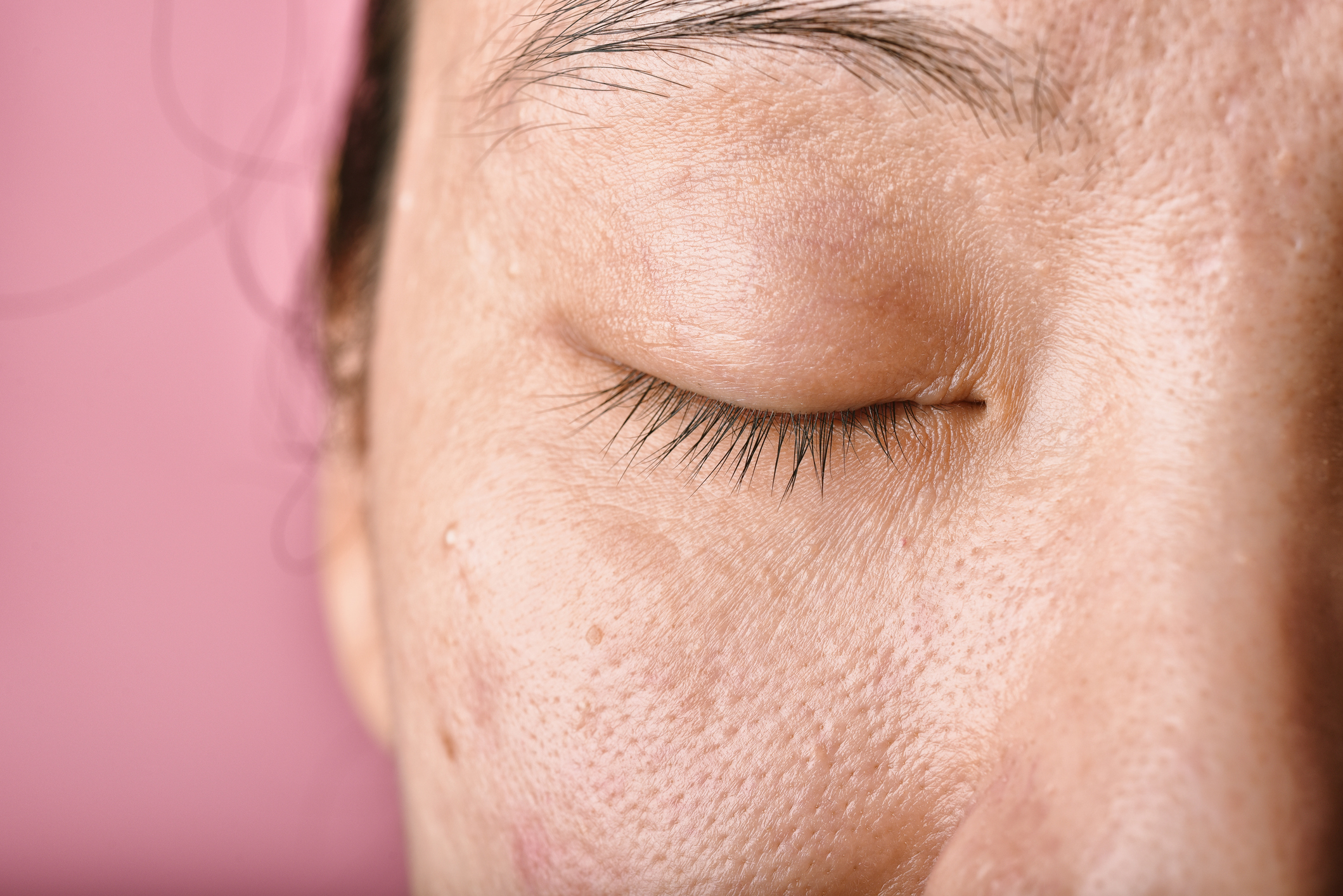
Injuries on the face can be not only physically painful but also emotionally distressing. Whether it’s from a fall, a sports mishap, or any other unfortunate incident, dealing with the resulting marks can be a daunting task. However, with the right approach and a bit of effort, it is possible to reduce these marks and restore your skin to a clear and healthy state.
There are various methods to diminish injury marks on the face, with some proving more effective than others. One common approach is to regularly apply natural remedies known for their healing properties. Alternatively, over-the-counter treatments designed to flatten and lighten marks can be used.
Quick Explainer
Healing and reducing facial injury marks requires patience, care, and the right treatments. Home remedies like soothing gels and oils can fade scars, but professional treatments like light therapy and exfoliation are more effective for deeper marks. For optimal results, consult a dermatologist to choose the best method for your skin type and scar severity.
Understanding injury marks
Before diving into the methods, it's important to understand what injury marks are. Injury marks, or scars, form as part of the body’s natural healing process. They can vary in appearance based on the injury's severity, type, and location. Scars can be flat, raised, or depressed and may change colour over time.
Scars are a natural part of the healing process. When the skin is injured, the body produces collagen to repair the damage. This collagen often forms a scar. The appearance and severity of a scar depend on several factors, including the size, depth, and location of the wound, as well as the age and skin type of the person.
Types of scars
Scars form as part of the body’s natural healing process after an injury, surgery, or skin condition. The way a scar looks and feels can vary depending on factors such as skin type, the depth of the wound, and how well it healed. Understanding the different types of scars can help you choose the most effective treatment option.
Atrophic scars
These scars appear as small indentations or depressions in the skin and are commonly caused by acne or chickenpox. They occur when the skin does not produce enough collagen during healing, leaving the skin uneven or pitted.
Hypertrophic scars
Hypertrophic scars are raised, thickened scars that remain within the boundaries of the original wound. They often develop after burns or surgical incisions and may improve naturally over time, becoming flatter and less noticeable.
Keloid scars
Keloid scars are similar to hypertrophic scars, but grow beyond the original injury site. They are often firm, raised, and darker in colour, and may cause itching or discomfort.
Contracture scars
These scars typically result from burns and can tighten the skin, restricting movement in the affected area. Contracture scars may affect deeper layers of skin and, in some cases, muscles and nerves, making medical intervention necessary.
Stretch marks
Stretch marks are a type of scar caused by rapid stretching of the skin during pregnancy, weight changes, or growth spurts. They usually start as red or purple lines and gradually fade to a lighter colour over time.
Embracing your beauty: Tips for injury mark removal
Several natural remedies can help reduce the appearance of scars:
Soothing gel and natural moisturiser
A gel with anti-inflammatory properties can aid in regenerating skin tissue, while a natural moisturiser can provide hydration and promote healing. Combining these two can create a calming mask for the skin. Regular use can help soothe the affected area, reduce redness, and encourage new skin growth, leading to a more even skin tone.
Cooling vegetable extract
Known for its soothing and cooling effects, a cooling vegetable extract can assist in lightening scars and reducing swelling. Regular application of the juice can lead to noticeable improvements by brightening the skin and reducing hyperpigmentation, which can make scars less visible over time.
Natural acidic solution
A solution that helps balance the skin’s pH can aid in lightening scars. When diluted with water and applied to the scar using a cotton ball, this natural remedy can exfoliate the skin, promoting the shedding of dead skin cells and encouraging new, healthy skin to surface. This can gradually reduce the prominence of the scar.
Nourishing oils
Oils renowned for their moisturising and healing properties can gradually reduce the appearance of scars when used consistently over time. These oils penetrate deep into the skin, providing essential nutrients that support skin repair and regeneration. Regular massage with these oils can also improve blood circulation to the affected area, which can further enhance the skin's natural healing process and diminish the appearance of scars.
Did You Know?
When the skin is injured, the body produces collagen to repair the damage. This collagen often forms a scar.
General tips for scar care: Expert quotes and insights
The appearance and texture of a scar can differ from person to person, depending on skin type, how deep the injury was, and the body’s healing process. The following are some tips for effective scar care.
Maintain hydration
Keeping the scar hydrated can prevent it from becoming dry and tight. Use a moisturising balm or a specialised gel to maintain moisture in the area.
Protect from sunlight
Scars can darken when exposed to sunlight. Always apply sun protection on the scar to prevent it from becoming more noticeable and to protect the skin as it heals.
Regular massage
Gently massaging the scar can help break down the dense tissue that forms during the healing process, making the scar less prominent over time. Consistent massage can also improve circulation, aiding in the scar's gradual fading.
Nutrient-rich diet
A diet rich in essential vitamins and minerals can support skin healing and regeneration. Consuming foods high in nutrients that support skin health can be particularly beneficial in improving the appearance of scars.

The key to effective scar treatment is early intervention and choosing the right method based on the scar type and skin condition.
Dr Rashmi Shetty, Dermatologist, Mumbai
As an example, Bollywood actress Deepika Padukone once shared her struggle with removing injury marks from her face after a film shoot left her with visible scars. With the help of her dermatologist and a combination of professional treatments and at-home remedies, she was able to gradually fade the marks and regain her confidence.
Key takeaways
Removing injury marks on the face requires a combination of patience, the right treatment, and professional guidance. Whether you opt for home remedies or medical treatments, it's essential to choose what's best for your skin type and the severity of your scars. Always consult with a dermatologist to ensure you're on the right track to achieving clear and healthy skin.
Frequently Asked Questions
1. How do you heal a skin injury on your face?
Keep the wound clean, and use a healing ointment. Protect the area with a sterile dressing, and avoid picking at the scab to prevent scarring.
2. Can marks on the face be removed?
Yes, facial marks can be reduced or removed using a combination of home remedies, general treatments, and professional procedures suggested by dermatologists.
3. Can facial scars be removed?
While facial scars can be significantly reduced, complete removal is challenging. Surgical options can improve their appearance. However, this needs to be done under strict medical supervision of a specialist.
4. How can burn marks on the face be removed quickly?
For quick improvement, consult a skincare specialist for options. At home, keeping the area moisturised and protected from the sun can aid in faster healing.
5. How can I remove injury marks from my face at home?
Use natural remedies like soothing gels, moisturising oils, and regular exfoliation. Consistency is key, and results may take time to become noticeable.
Share Article
Related Articles
May 27, 2026
•4 min read
Clinically ReviewedHow to Remove Blackheads from Nose: Effective Methods and Tips

Mar 31, 2026
•6 min read
Clinically ReviewedHow to Keep Skin Hydrated: A Complete Guide for All Skin Types
Mar 30, 2026
•6 min read
Clinically ReviewedHair Follicles Acting Up? Here’s All About Folliculitis