

 Medically Reviewed
Female Reproductive Health
How Does Endometriosis Affect Pregnancy?
Jun 2, 2026
•6 min read
Share Article

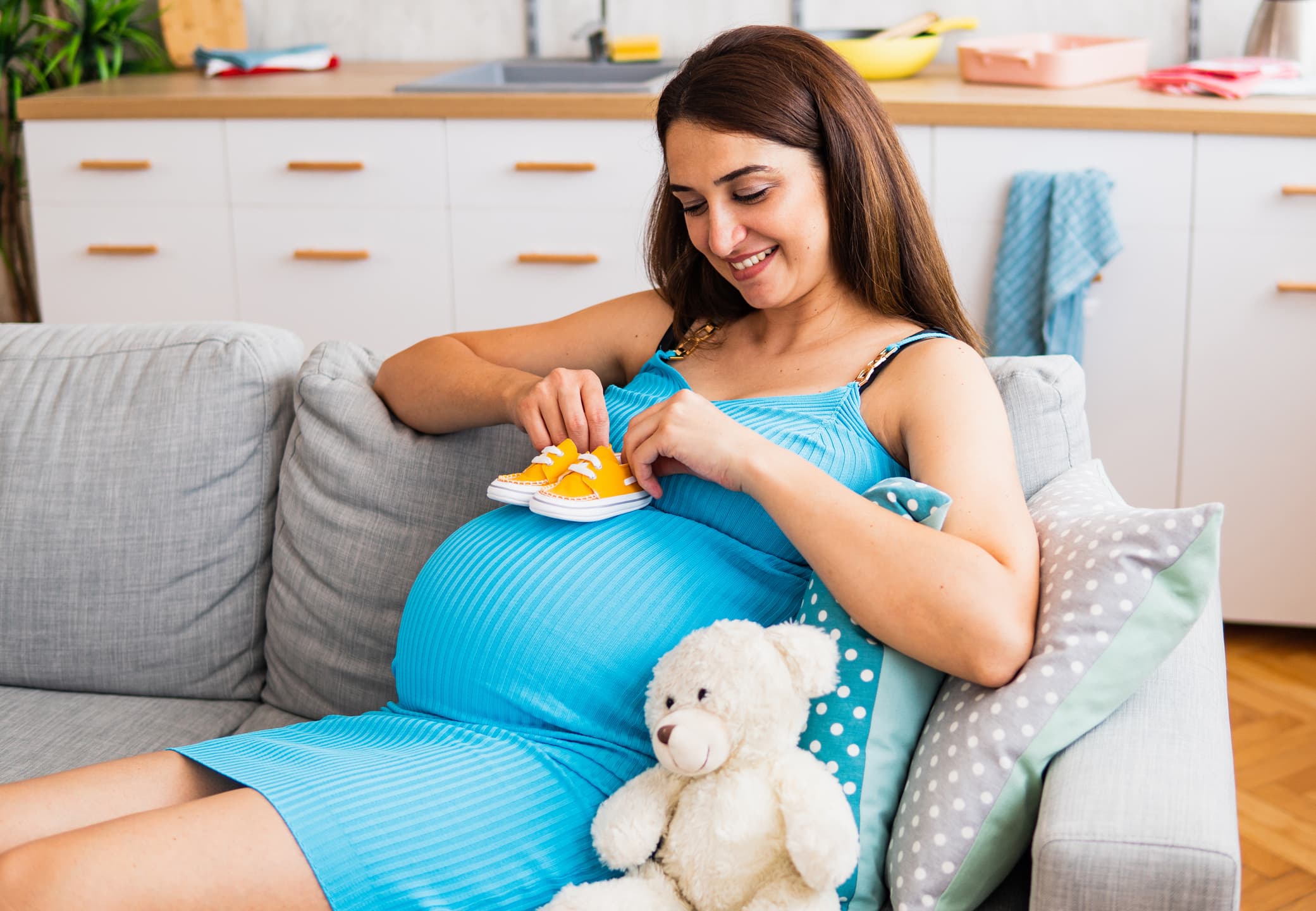
Pregnancy is often imagined as a smooth and straightforward journey. But when endometriosis is part of the picture, it can bring extra questions, uncertainty, and concerns about fertility, symptoms, and pregnancy health.
The good news is that many women with endometriosis still go on to have healthy pregnancies and births. However, the condition can sometimes make conception more difficult or affect how the body responds during pregnancy. This is why awareness and timely medical support can make a big difference.
In this blog, we break down how endometriosis may affect pregnancy, fertility, and symptoms — along with what to expect and when to seek support.
What is endometriosis?
Endometriosis is a condition in which tissue similar to the lining of the uterus grows outside the uterus, often around the ovaries, fallopian tubes, or pelvic lining. Like the uterine lining, this tissue responds to hormonal changes and can thicken and shed during the menstrual cycle. However, because it has no way to leave the body, it can lead to inflammation, irritation, pain, and sometimes scar tissue formation.
Over time, this may affect how the reproductive organs function and work together, which is why endometriosis and fertility are often closely linked. The condition can look very different from person to person — while some women experience severe pain and heavy symptoms, others may have little to no noticeable discomfort.
Symptoms of endometriosis
- Persistent pelvic pain that may worsen during menstruation and feel deeper or more intense than typical period cramps. Many people describe it as ongoing discomfort rather than pain limited to periods alone.
- Heavy or irregular periods, including prolonged bleeding or spotting between cycles, which may not always follow a predictable monthly pattern.
- Pain during ovulation, often called endometriosis ovulation pain, which can occur mid-cycle and feel unusually sharp or intense.
- Lower back pain, abdominal discomfort, or pain that radiates beyond the pelvic region. In some cases, this may also include leg pain associated with endometriosis.
- Ongoing fatigue and low energy levels that can make everyday activities feel more exhausting than usual.
- Pain during physical activity, prolonged sitting, or routine daily movements, suggesting that the discomfort extends beyond menstruation alone.
- Pain during sexual intercourse (dyspareunia), one of the most commonly reported symptoms of endometriosis, which can also affect intimacy and become a barrier to conception for some women.
Endometriosis is a condition in which tissue similar to that found inside the uterus develops outside it, typically around the ovaries and pelvic region.
How does endometriosis affect pregnancy?
The relationship between endometriosis and pregnancy is not always straightforward. While many women with endometriosis can conceive naturally, the condition can sometimes make pregnancy more difficult.
Endometriosis may cause inflammation and scar tissue, which can affect the reproductive organs and interfere with fertilisation or implantation. In some cases, it may alter the position or function of the ovaries and fallopian tubes, making conception more challenging.
At the same time, some women notice temporary relief from endometriosis symptoms during pregnancy. This is largely due to hormonal changes and the pause in menstrual cycles, which can reduce the activity of endometriosis tissue. However, this improvement is often temporary, and symptoms may return after pregnancy or once periods resume.
Can endometriosis affect fertility?
One of the most common questions people ask is whether endometriosis can affect fertility. It can — but not always. Many women with endometriosis still conceive naturally and go on to have healthy pregnancies.
Endometriosis may affect fertility in several ways, including:
- Affecting the release or movement of the egg
- Causing inflammation that interferes with fertilisation
- Altering the environment needed for implantation
Research suggests that around 30–50% of women with endometriosis may experience fertility challenges. However, this also means many others are able to conceive successfully. How much endometriosis affects fertility can vary from person to person and may depend on factors such as age, overall reproductive health, and the severity of the condition. Recognising symptoms early and seeking timely medical support can be important.

30-50%
of women with endometriosis may experience fertility challenges, according to research
Trying to conceive with endometriosis
When trying to conceive with endometriosis, the focus is often on supporting overall reproductive health and understanding the body’s cycle better. While it may take longer for some women, many people with endometriosis are still able to conceive naturally.
A few helpful steps may include:
- Tracking ovulation cycles to identify the most fertile days
- Maintaining a balanced diet and staying physically active
- Managing stress and prioritising overall well-being
- Staying consistent and giving the body time
Patience and awareness matter. Understanding how endometriosis may affect fertility can help reduce uncertainty and make the journey feel more manageable. Always speak with your doctor for guidance tailored to your individual situation.
Is there a "best" age to conceive with endometriosis?
The best age to conceive with endometriosis can vary from person to person. However, because fertility naturally declines with age, timing may become especially important for women living with the condition.
In general, younger women may have a higher chance of conception due to better egg quality and ovarian reserve. That said, having endometriosis does not mean pregnancy is impossible later in life — it simply means that planning and timely medical guidance may play a bigger role.
Factors such as overall health, severity of endometriosis, ovarian function, and personal circumstances can all influence fertility outcomes. Speaking with your doctor can help you make more informed decisions about family planning and reproductive health.
Recognising endometriosis symptoms early and seeking timely medical support can make a meaningful difference to fertility outcomes and pregnancy planning.
When to speak with your doctor
If something feels unusual — whether it is severe pain, irregular periods, or difficulty conceiving — it is important not to ignore it. The body often gives early signs, and recognising them early can make a meaningful difference.
You may want to consider speaking with a doctor if:
- Pelvic pain becomes severe, persistent, or starts affecting daily activities such as walking, sitting, exercising, or working
- Period symptoms worsen over time or begin to feel different from your usual cycle
- You experience ongoing pain during ovulation or sexual intercourse
- You have been trying to conceive naturally without success
- You are concerned about how endometriosis may be affecting fertility or pregnancy planning
Seeking medical advice early can help identify possible challenges and support more informed decisions about pregnancy planning and reproductive health.
Frequently asked questions
1. Does endometriosis cause a high-risk pregnancy?
Endometriosis can sometimes increase the risk of certain pregnancy complications, but that does not mean every pregnancy will become high-risk. Many women with endometriosis still go on to have healthy pregnancies and safe deliveries. With proper medical care, regular monitoring, and timely support, most potential complications may be managed effectively throughout pregnancy.
2. Is pregnancy painful with endometriosis?
Some women notice that their pain improves during pregnancy because of hormonal changes, while others may still experience some discomfort. The experience can vary depending on the severity of endometriosis and overall health. Speaking with your doctor can help you prepare for what to expect.
3. What happens if endometriosis is left unmanaged?
If endometriosis is not addressed, it may continue to cause ongoing pain, inflammation, and in some cases, fertility challenges. Over time, symptoms can worsen or become more difficult to manage without proper care. Early consultation with a doctor is always advisable.
4. How can I support my chances of conceiving with endometriosis?
Focusing on factors such as timing, a healthy lifestyle, and tracking ovulation cycles may help improve the chances of conception. Understanding how endometriosis can affect fertility is also important when making informed decisions and planning ahead. Your doctor is best placed to provide personalised guidance.
Share Article


