

 Medically Reviewed
Caregiving
How to Build a Family First-Aid Kit: Doctor’s Checklist
Feb 2, 2026
•5 min read
Share Article

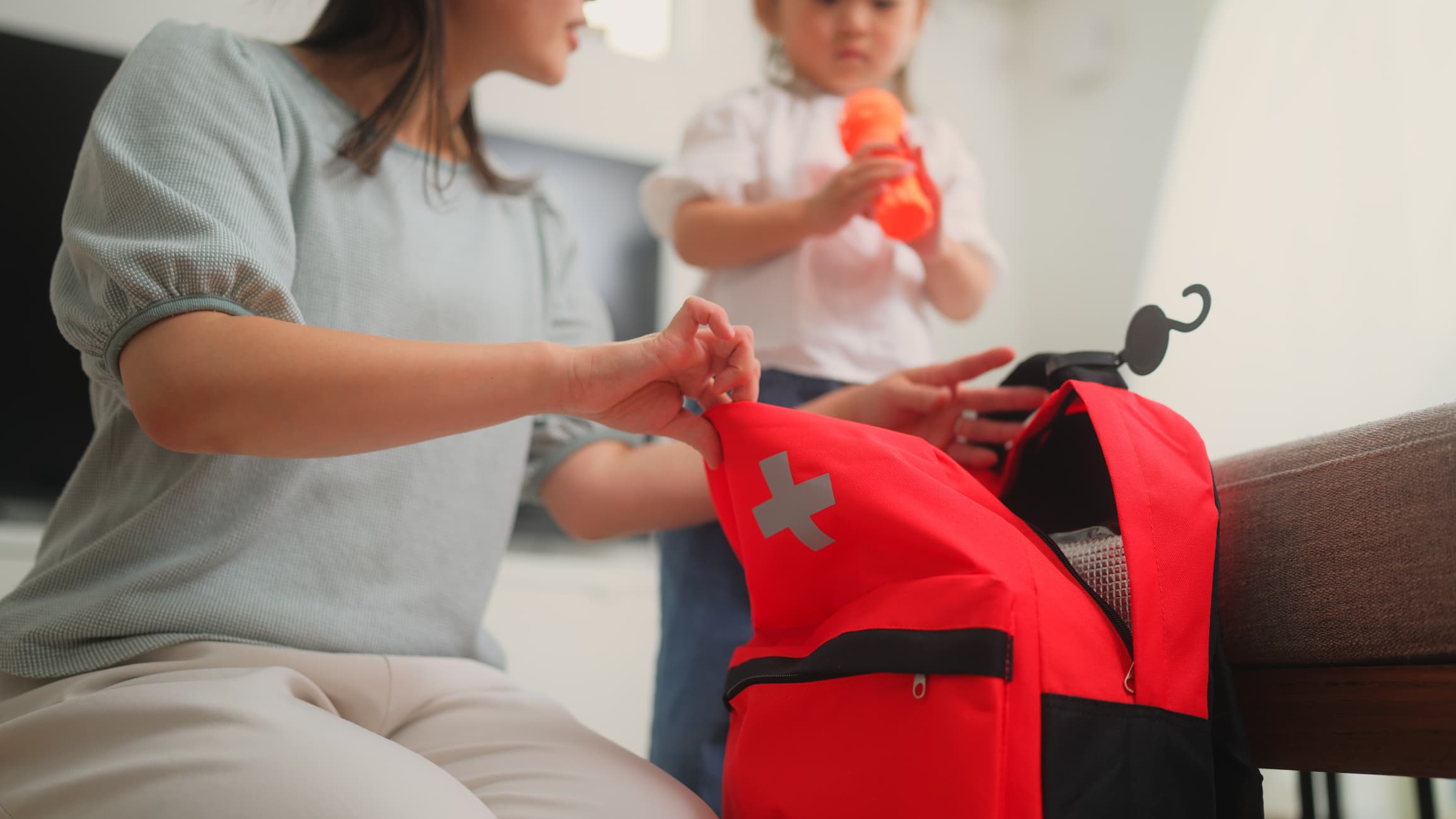
One moment it’s a normal day, the next it’s a paper cut, a minor burn, a sudden fever, or a “something doesn’t feel right” moment. That’s where a well-stocked family first-aid kit steps in, quietly, quickly, and effectively.
Think of it as your home’s mini medical backup: simple, practical, and ready before panic sets in. Here’s a doctor-approved checklist to help you build a first-aid kit that’s less about overthinking and more about being prepared.
This blog offers an expert-led methodology of creating a reliable kit, what should be included within it, and why each category is important and how to customise supplies to use in the home, on the road, and during emergencies.
First aid kit checklist: Essentials for every home
A prepared first aid kit checklist makes sure that homes have the necessary first aid kit to handle the less severe injuries that may occur and ease the tension where confusion can occur in a stressful situation. A clear checklist is also beneficial as it helps the family to have a consistent first aid kit list of supplies to make sure that essential items are reviewed at regular intervals.
Why a standardised checklist matters
A standardised checklist also contributes to the fact that no necessary item is omitted. According to the health authorities, unorganised kits usually contain limited necessities, hence reducing the utility of such kits in instances of emergency. Using a specified list of items in a first aid kit is more efficient and helps to make safer decisions at home. A recent survey found that only around 25% of households had a stocked first-aid kit at home, and even among these households, the availability of essential items varied widely.
Importance of accessibility and organisation
Accessibility is no less important than content. The supplies need to be sorted in terms of functions and checked with a trusted list of relevant supplies. Handling time is minimised by clear grouping and labelling, and proper care is facilitated in case of urgent situations.
Instead of a box-fits-all approach, a family first-aid kit is supposed to be based on the needs of the household members, their living place, and the possible risks.
Home first aid kit essentials: Must-have supplies
The predictable risks found in home environments include accidents in the kitchen, falls, and minor household injuries. Home first aid kit essentials must therefore be prioritised to address these everyday scenarios effectively and safely.
Cold agents for the management of mild heat exposure, protective fabrics for blisters, and support corsets for minor strains are frequently recommended by medical professionals. These home first aid kit essentials can be used to alleviate discomfort and provide stabilisation until further care becomes available, if required.
Parents can also enjoy age-related protective cover and mild cleaning products, which are comfortable and at the same time sanitary. Storage space is important; kits are not to be stored in the presence of extreme heat and humidity because the material can be spoiled.
What to include in a first aid kit: A comprehensive guide
Understanding what to include in a first aid kit requires thinking beyond immediate treatment and considering ongoing monitoring and support. Simple measuring aids and note cards to trace symptoms or time can be useful in long-term care.
Instructional materials are neglected and yet very important. Clearly documented instructions favour decisive action, especially on the part of those who are not in the habit of administering first aid. It is also possible to have communication tools, such as a small torch or a signalling aids, that come in handy during power outages or low-visibility periods.
This holistic solution makes the kit helpful both in urgent response and in short-term care, so that the preparedness is strengthened and not reactive decision-making.
Storage space is important; kits are not to be stored in the presence of extreme heat and humidity because the material can be spoiled.
Survival family first aid kit: For emergencies and travel
A survival family first aid kit is created to be used in cases when there could be a delay in obtaining help. These kits assist in readiness in the event of travel, outdoor pursuits or other unforeseen inconveniences and ought to be examined together with domestic planning.
How survival kits differ from home kits
Survival family first aid kits are a little different than home kits; therefore, compact design and multiple use are favoured. Their efficiency and durability are highly essential as these kits are usually subjected to wear and tear during transportation.
Planning for extended situations
Prolonged emergency scenarios require careful consideration. Survival kits should support both immediate needs and longer-term care, including protective supplies, written instructions, and home monitoring devices. Regular inspection of kits is essential to maintain preparedness, particularly for mobile emergency kits.
First aid kit essentials list: Doctors’ recommendations
A first aid kit essentials list informed by clinical guidance emphasises versatility, safety, and simplicity. Physicians tend to advise against cluttering and emphasise those objects which have evident and useful functions in various situations.
The organisation in the kit is also very important. Dividers or labelled pouches enable rapid supplies identification, cutting the time of delays in the case of an emergency. Restocking plans are useful in maintaining preparedness because items that have gone out of date or are in bad condition affect efficiency.
This approach aligns with broader public health recommendations that prioritise preparedness, accessibility, and responsible use of first-aid resources.
Survival kits should support both immediate needs and longer-term care, including protective supplies, written instructions, and home monitoring devices.
Summary and key takeaways for parents and caregivers
Creating a reliable domestic package is a continuous process and not a single assignment. Having a family first aid kit organised in an orderly way helped to make the involvement of decision-making and provision of instant care possible, and a first aid kit checklist procedure guaranteed that all essential categories were not omitted.
This can be achieved through the customisation of supplies to meet household requirements, frequent reviews of inventory and making orderliness a priority, which would make the household and caregivers more prepared and safer in both normal and emergencies in daily life.
Frequently Asked Questions
1. What is the frequency of checking a family's first-aid kit?
Healthcare advice recommends that the first-aid kits at home be examined every 6 months. Periodic inspection allows materials to be in a proper state, instructions to be current and supplies to meet current household requirements, which helps in being prepared and proactive.
2. What is the most convenient location to keep a home first-aid kit?
The first-aid kit should be kept in a bright, dry place which is easily reachable by adults and not within the reach of young children. Keeping it in a more visible and designated place enhances the speed of responding to a minor household emergency.
3. Is there a need to have travel kits, as opposed to home kits?
The travel kit needs to be smaller and need to be more durable and portable. Although the core supplies do not differ much, travel-specific packages focus on lightweight material, protective storage, and information that can be used in different environments.
Share Article