
 Medically Reviewed
General Health
How to lose weight in your 30s? Guide for Men and Women
Jan 9, 2026
•7 min read
Share Article

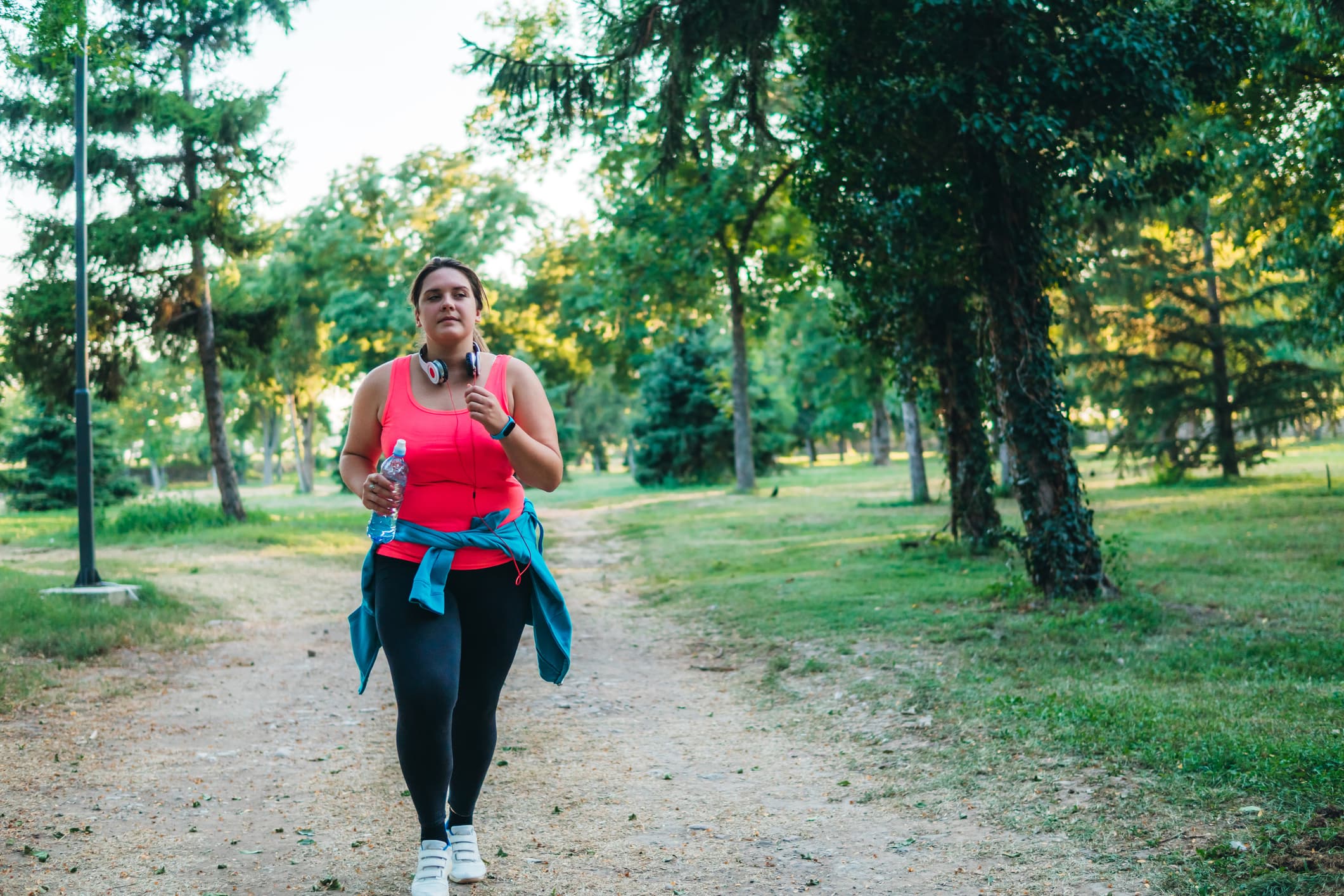
Entering the thirties often brings unexpected challenges, one of them being that weight loss in the 30s can become noticeably harder. Metabolism slows slightly, hormonal shifts occur, and the demands of work and life can make maintaining healthy routines more difficult. Although losing weight in your 30s is still achievable, it requires a balanced and sustainable approach rather than extreme diets or intense exercise fads.
This blog explores the key reasons why weight management changes during this decade and provides practical strategies for achieving lasting results while maintaining overall well-being.
Why weight loss is hard in the 30s
The following are some of the major reasons that complicate weight-loss in the 30’s.
Age-related decline in resting metabolic rate
Some research suggests that resting metabolic rate declines with age beyond what can be attributed to loss of fat-free mass alone, likely reflecting reduced metabolic activity of internal organs and tissues, not just a decrease in muscle mass.
Declining growth hormone
Growth hormone, which is produced by the brain's pituitary gland, plays a key role in regulating body composition and supporting muscle development; it naturally decreases with age. This decline can make building or maintaining muscle harder, affecting overall calorie burn and body shape.
Stress-related cortisol spikes
Juggling work, family, and financial pressures in your thirties can lead to chronic stress, which elevates cortisol levels. High cortisol can increase appetite and encourage fat storage, particularly around the abdomen, making losing weight in your 30s more difficult.
Shifts in reproductive hormones
For women, fluctuating oestrogen and progesterone levels can influence appetite, water retention, and where fat is stored. Men may notice a gradual decline in testosterone, which can reduce muscle mass and energy levels, further impacting weight management.
Time constraints
Family, work, and social commitments can limit time for exercise and healthy meal preparation, encouraging reliance on convenient, ready-to-eat foods.
Stress and emotional eating
Higher stress levels can trigger comfort eating, often of calorie-dense foods, which hinders weight loss progress.
Inconsistent habits
Skipping meals, irregular workout schedules, or extreme dieting can disrupt metabolism and make sustainable weight management harder.
Weight loss in the 30s can be more challenging due to subtle hormonal changes that influence appetite, energy balance, fat storage, and metabolism.
Seven tips for men to lose weight in their 30s
Entering your 30s often brings metabolic changes that make weight management more challenging, with a tendency towards reduced muscle mass and increased fat storage. Focusing on sustainable, health-driven habits can help improve metabolism and support overall well-being.
1. Prioritise strength training
Resistance exercises help preserve and build muscle mass, which plays a key role in maintaining a healthy metabolism. More muscle improves insulin sensitivity and increases calorie burn even at rest.
2. Reduce refined carbohydrates
Limiting foods like white bread, sugary snacks, and processed grains helps prevent rapid blood sugar spikes. This reduces fat storage and lowers the risk of insulin resistance.
3. Increase protein intake
Adequate protein supports muscle maintenance and increases satiety, helping to control appetite. It also has a higher thermic effect, meaning the body uses more energy to digest it.
4. Get adequate sleep
Poor sleep disrupts hormones like ghrelin and leptin, which regulate hunger and fullness. This can lead to increased appetite, cravings, and weight gain.
5. Manage stress levels
Chronic stress elevates cortisol, a hormone linked to increased abdominal fat storage. Managing stress can help regulate metabolism and reduce visceral fat accumulation.
6. Stay physically active
Regular movement helps improve cardiovascular health and glucose metabolism. It also reduces sedentary time, which is associated with increased risk of obesity and metabolic disorders.
8. Monitor portion sizes
Eating larger portions than needed can lead to excess calorie intake. Being mindful of portion control helps maintain energy balance and prevents gradual weight gain.
Seven tips for women to lose weight in their 30s
Your 30s often come with many life changes, such as starting a family, embracing motherhood, and balancing a demanding professional life all at once. With so much happening, it can feel harder to focus on yourself, but with the right approach, maintaining your health and managing weight is still very much achievable. By making small, sustainable choices, you can support both your well-being and your lifestyle.
1. Support hormonal balance
Fluctuations in oestrogen and progesterone can influence fat storage, appetite, and energy levels. A balanced diet with whole foods, healthy fats, and fibre helps regulate these hormones and supports metabolic stability.
2. Manage insulin sensitivity
Women are more prone to insulin resistance, especially with conditions like Polycystic Ovary Syndrome. Reducing refined sugars and choosing low-glycaemic foods can help control blood sugar and prevent excess fat storage.
3. Prioritise iron-rich nutrition
Due to menstruation, women are at higher risk of iron deficiency, which can cause fatigue and reduced physical activity. Maintaining healthy iron levels supports energy, metabolism, and overall activity.
4. Include strength training
Resistance training helps preserve lean muscle mass, which naturally declines with age. More muscle improves metabolic rate and supports better insulin function, aiding fat loss.
5. Support gut health
A healthy gut microbiome plays a role in digestion, hormone regulation, and inflammation. Including fibre-rich foods and probiotics can improve nutrient absorption and support weight management.
6. Optimise sleep quality
Sleep disturbances can disrupt cortisol, leptin, and ghrelin levels, increasing hunger and fat storage. Prioritising consistent, good-quality sleep supports hormonal balance and appetite control.
7. Monitor stress levels
Chronic stress can elevate cortisol, which is linked to increased abdominal fat. Managing stress through relaxation techniques can help regulate hormones and reduce weight gain associated with stress.
Desk jobs, long commutes, and less physical movement reduce daily calorie burn, making weight loss in the late 30s more challenging.
Common myths about losing weight in your 30s
Weight loss in the 30s is often surrounded by misconceptions that can make the journey feel harder than it needs to be. Separating myth from fact can help you approach your goals with a realistic and effective strategy.
Myth 1: It’s nearly impossible to lose weight in your 30s.
Fact: While your metabolism and hormones may change, sustainable weight loss is entirely achievable with consistent diet, exercise, and lifestyle habits.
Myth 2: Cardio alone is enough to lose weight.
Fact: While cardio helps burn calories, strength training is essential to maintain muscle, boost metabolism, and achieve sustainable fat loss, especially in your thirties.
Myth 3: Hormones are the only reason weight gain happens in your 30s.
Fact: Hormones play a role, but lifestyle, activity level, and dietary habits are just as important in determining weight changes.
Myth 4: Skipping meals helps with losing weight in the late 30s.
Fact: Skipping meals can actually slow metabolism, increase cravings, and make weight management more difficult. Regular, balanced meals support energy levels and fat loss.
Monitoring progress and staying motivated
Monitoring progress is a key part of any successful weight management plan, especially when losing weight in the late 30s. Keeping track of your meals, exercise, and body measurements helps you understand what works and what needs adjustment. It’s important to celebrate small milestones along the way, as they can boost morale and reinforce positive habits. Consistent tracking not only provides insight into your routines but also keeps you accountable, making weight loss in your late 30s more achievable. Staying motivated can be challenging, but setting realistic goals and reflecting on your progress can make the journey both manageable and rewarding.
Practise mindfulness, meditation, or relaxing hobbies to reduce cortisol levels and prevent stress-related overeating.
Sustainable weight loss beyond 30
Who said getting older means giving up on your favourite jeans? While weight loss in the 30s can come with new challenges, it’s entirely possible with the right approach. Focusing on balanced nutrition, consistent activity, and realistic goals makes losing weight in your 30s sustainable rather than stressful. Remember, small, steady changes often lead to lasting results, proving that age is just a number when it comes to health and wellness.
Frequently Asked Questions
1. How do hormones impact weight in your 30s?
Shifts in hormones such as oestrogen, progesterone, testosterone, and cortisol can influence appetite, fat storage, and energy levels.
2. Is stress a major factor in weight gain after 30?
Chronic stress raises cortisol, which can increase cravings and encourage fat storage, especially around the midsection.
3. Can lack of sleep affect weight loss?
Absolutely. Poor sleep disrupts hunger hormones and can lead to increased appetite and reduced energy for exercise.
4. How do you know you are losing fat?
Fat loss is usually seen through changes like reduced body measurements, looser clothing, and improved body composition rather than just weight on the scale. You may also notice better energy levels and improved fitness over time.
5. How to increase metabolism in your 30s?
Building lean muscle through strength training, staying physically active, and eating adequate protein can help support metabolism. Good sleep and balanced nutrition also play a key role in maintaining metabolic health.
6. How to lose menopause belly?
Hormonal changes during menopause can lead to increased abdominal fat. A combination of strength training, a balanced diet, stress management, and consistent sleep can help reduce visceral fat over time.
7. What drink burns the most belly fat?
No single drink can specifically burn belly fat, but staying hydrated and choosing drinks like water, green tea, or unsweetened herbal teas can support metabolism. Long-term fat loss depends on overall diet, activity, and lifestyle habits.
Share Article