
 Medically Reviewed
Hormonal Health
Insulin Resistance in 30s: A Growing Concern
Nov 24, 2025
•5 min read
Share Article


Your 30s are typically a time of lifestyle change, whether due to a career advancement or family responsibilities. It is also a period of time during which concealed health issues can silently creep in. Insulin resistance is one of these issues, a condition that affects many people, in which the body does not respond effectively to insulin, a hormone that regulates the level of sugar in the bloodstream.
This minor shift can gradually develop over several years, ultimately leading to more severe health problems. Insulin resistance symptoms can be identified, allowing you to take action before it affects your long-term health. There are simple steps that can be followed to reduce the risk and stay energetic far into the future by maintaining a healthy insulin resistance level with the help of a proper insulin resistance diet, regular exercise, and knowledge of the causes of insulin resistance.
What is insulin resistance?
Insulin resistance is a condition that develops when the body's cells fail to respond to insulin, a hormone crucial in regulating glucose concentration. Consequently, the body counteracts this by secreting more insulin, which increases insulin levels in circulation over time.
When this balance is not controlled, there is a possibility of aggravating chronic health issues regarding metabolism and energy regulation. It has been found that lifestyle-related factors like eating too much and a lack of physical activity contribute to the occurrence of this condition.
Insulin resistance occurs when your body is unable to utilise insulin effectively and leading to blood sugar imbalances.
Possible signs to watch for
The symptoms of early insulin resistance can be subtle, and one would be unable to notice them without a professional health examination. Nevertheless, a number of apparent trends can be used as indicators:
- Unexplained weight gain is affecting the midsection
- Even with sufficient rest, increased fatigue
- Increased desire to eat foods that are high in carbohydrates
- The experience of frequent hunger soon after eating
- Inability to manage weight levels
These symptoms are not definitive proof of insulin resistance, but they can indicate the need to pay closer attention to one's habits and undergo regular health examinations.
The symptoms of fatigue and higher cravings can be an indication of early insulin resistance.
Contributing factors in your 30s
There are a number of lifestyle and physiological factors that cause your 30s to be the critical turning point of insulin resistance. These include:
- Reduced muscle mass
As one gets older, muscle mass tends to decrease, which in turn reduces metabolism. Reduced muscle mass has the potential to decrease the efficiency with which your body uses glucose, as a factor that leads to insulin resistance.
- Higher levels of stress and cortisol
Striking a balance between work, family, and personal commitments often leads to chronic stress. The consistently high level of cortisol has been linked to alterations in insulin sensitivity and glucose metabolism.
- Dietary patterns
Diets rich in refined carbohydrates, processed foods and added sugars are some of the major causes of insulin resistance. These effects can be addressed by selecting a balanced diet for insulin resistance.
- Physical inactivity
Lack of insulin sensitivity is also closely related to sedentary habits, including long sitting and physical inactivity.
Why does it matter for long-term health and longevity?
Neglecting to care about insulin resistance at the age of 30s could affect your life forever. With the course of time, the chronic insulin imbalance may affect various body systems. Studies indicate that untreated patients with insulin resistance are more prone to contract long-term metabolic disorders such as cardiovascular complications. This is a harmful risk when it is compounded with genetics and poor lifestyle choices. Earlier initiatives can be taken to avoid such outcomes and assist in living longer. The treatment of insulin resistance will offer a platform for health enhancement in old age.
Health complications can be avoided over the years with early lifestyle changes.
Proactive steps you can take
Treatment of insulin resistance is multi-dimensional. Although professional help is critical, these measures are some of the effective approaches that you can initiate:
1. Emphasise healthy eating
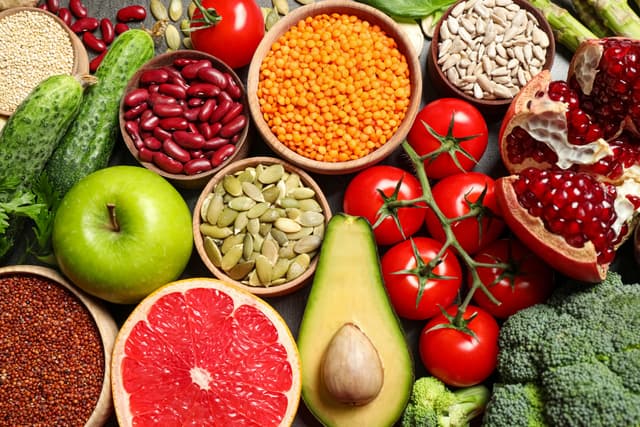
It is essential to adopt a healthy diet. A specific insulin resistance diet specialises in whole foods, fibre, low-protein foods and healthy fats. This aids in maintaining the level of blood sugar and enhancing insulin sensitivity.
2. Incorporate regular movement
Strive to exercise regularly during the week, consistent movement offers numerous benefits of regular exercise, including improved strength, better cardiovascular health, and enhanced glucose regulation. Strength training and cardio both play an important role in keeping your blood sugar levels stable.
3. Manage stress effectively
Deep breathing, meditation and yoga can be used to alleviate hormonal imbalances that are caused by stress, leading to increased insulin resistance.
4. Maintain a healthy body weight
Maintaining a normal weight and achieving it is known to be important in terms of long-term metabolic health and lessening the burden on insulin production.
5. Prioritise sleep quality
A proper rest enables your body to relax and helps to balance your appetite and body hormones, which are directly related to your response to insulin.
The final word: Early action, lifelong benefits
Taking steps to reduce insulin resistance in your 30s can have lifelong benefits for your health and quality of life. It is the critical decade during which lifestyle habits significantly influence your future well-being. You can avoid complications by identifying signs of insulin resistance early and understanding the causes of insulin resistance.
Maintaining a healthy diet, staying physically active, managing stress, and practising good sleep hygiene all play a crucial role in improving insulin sensitivity. These small, consistent lifestyle habits form a strong foundation for long-term vitality, helping you stay energetic, resilient, and healthy for years to come.
Frequently Asked Questions
1. What are the symptoms of insulin resistance?
The typical symptoms of insulin resistance would include tiredness, carbohydrate cravings, and midsectional weight gain. Nevertheless, these symptoms are not conclusive and must be addressed with a medical professional.
2. Is it possible to improve insulin resistance through lifestyle changes?
Yes, research shows that regular exercise, effective stress management, and following a diet tailored for insulin resistance can significantly improve insulin sensitivity over time.
3. What is the reason why insulin resistance is more prevalent in your 30s?
During your 30s, insulin resistance can be caused by hormonal changes, loss of muscle mass, and the feeling of stress.
Share Article