

 Medically Reviewed
Skin & Hair Health
Winter Itching (Xerosis): Causes & How to Fix It Naturally?
Mar 3, 2026
•7 min read
Share Article

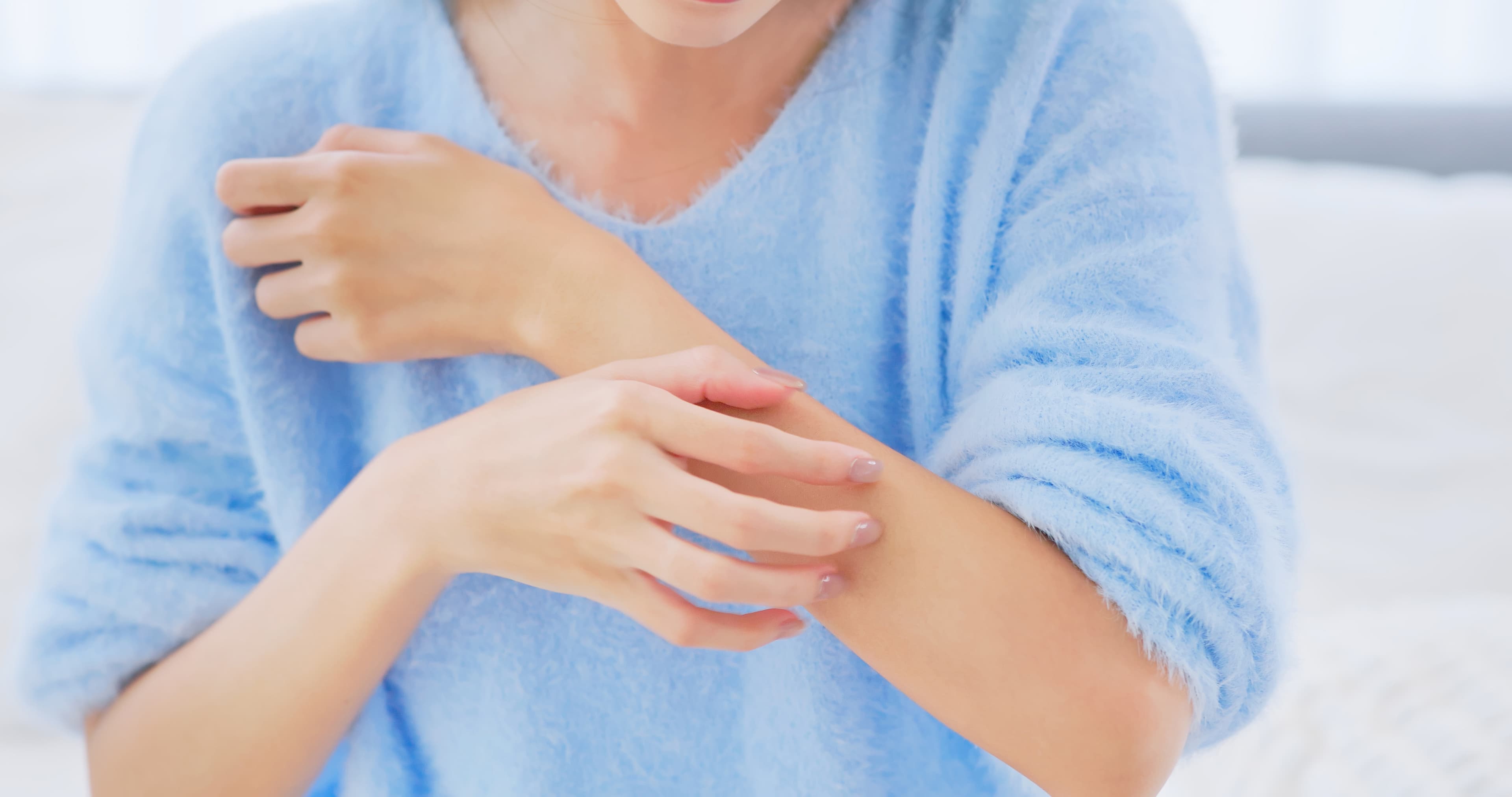
Winter is often associated with cosy jumpers, steaming hot drinks, and long, early nights, but our skin doesn’t always share the same joy. As the temperature drops, dryness can set in, turning comfort into a constant itch. Tight, flaky, and irritated skin can linger for weeks, making the colder months a real challenge for your skin.
And it’s not just about how it looks; persistent dryness can affect sleep, comfort, and overall well-being. The first step to keeping your skin calm, nourished, and happy this winter is understanding why it reacts the way it does. Dive into this blog to discover the causes of winter itching and natural ways to restore your skin’s balance.
Understanding xerosis: Causes of dry skin in winter
Xerosis is a clinical term for excessively dry skin characterised by reduced moisture content and impaired barrier lipids. Environmental and lifestyle changes make this condition much more prevalent during the winter period.
The skin has a protective outer layer that contains water and keeps irritants out. Low temperatures in the cold environment undermine this barrier, and the moisture is easily lost from the skin surface. It has much to do with low humidity levels. The outside air is colder and contains less moisture, and the heating inside the house makes the air drier. Low humidity increases transepidermal water loss (TEWL), a key mechanism underlying winter xerosis.
Research by various health organisations has shown that low moisture content significantly increases water loss through the skin's surface. This procedure makes the skin weak and unable to heal. Age is also a factor in susceptibility. The reduction of oil production in older people is an inherent process, and xerosis skin becomes more common in cold seasons.
The problem can be exacerbated by genetics, sensitive skin, and exposure to extreme weather conditions. Knowledge of these causes of xerosis can help understand why winter dryness is not merely cosmetic but structural.
Xerosis is overly dry skin that lacks sufficient moisture and natural oils.
Common triggers that make xerosis worse
There are daily routines that unwillingly exacerbate dryness. The long and hot showers may be relaxing, yet too much heat can strip the skin of protective oils. This is due to frequent washing, particularly with harsh cleansers. Research indicates that excessive cleansing interferes with the skin barrier and is associated with increased dryness.
Clothing choices matter too. Wool and synthetic clothes may irritate already dry skin and lead to further itching. Easy-to-worn garments augment friction that may enhance suffering. The cold wind with no proper cover exposes the skin to the environment, which removes the moisture.
Lifestyle factors are also a factor. Sleep deprivation and inadequate fluid and water intake may impair skin healing at night. These triggers can increase winter itching and slow down recovery when they are combined.
In clinical practice, prolonged hot showers and harsh soaps are among the most frequent reversible causes of winter xerosis.
Symptoms of xerosis
Winter dryness rarely appears overnight. It normally begins as minor changes that may be easy to ignore, but over time, it becomes more difficult to live with without managing.
- A constant feeling of tightness in the body is one of the first indicators of xerosis and occurs more particularly after stepping into cold water or a cold environment, as the skin is unable to maintain its own moisture and pliability throughout winter.
- Flaking or scaling usually occurs when the outer layer of the skin sheds at an accelerated rate and forms visible dryness, which may stick to the clothes and be more pronounced on arms and legs, among other exposed parts of the body.
- Scratches and small skin barrier fractures increase winter itching, which may be distracting and uncomfortable and would result in the desire to scratch.
- In severe instances, repeated scratching may cause soreness or fine cracks, which further undermine the skin barrier and expose the skin to discomfort and long-term dryness.
A constant feeling of tightness in the body is one of the first indicators of xerosis and occurs more particularly after stepping into cold water or a cold environment.
When to seek medical help for severe xerosis
Although mild dryness is usually expected in the colder months, there are situations when natural care and routine modifications are insufficient. There are some indicators that the skin requires the services of a professional.
- When winter dry skin fails to improve after several weeks of regular moisturising and lifestyle modifications, this can be a sign of a more significant barrier problem that can only be assessed and managed by experts.
- Itchiness during winter, which disrupts sleep or concentration during the day, cannot be overlooked, and persistent irritation may lead to deterioration in overall well-being and indicate that the skin is not healing properly.
- Dry skin that propagates quickly or inflames may need evaluation, especially when the skin is no longer responsive to mild treatments or protective practices.
Medical evaluation is especially important if dryness is associated with redness, oozing, infection, or suspected eczema, psoriasis, or contact dermatitis.
Wearing comfortable clothes can reduce scratching and also help with winter itching.
Natural remedies for dry skin: Moisturising tips and oils
It does not necessarily feel complicated to keep skin comfortable during winter. Nature-inspired small, regular habits can also help replace moisture, preserve the skin barrier, and alleviate the discomfort of seasonal dryness. These methods aim to help the skin without overwhelming it. Dermatologists emphasise that natural care should focus on barrier repair rather than aggressive exfoliation or frequent product changes.
Moisturise at the right time
The use of moisture when they are taken out of the bath assists in retaining water on the skin. Slightly moist skin is more absorbent and will retain hydration, making it less dry and softer. This simple timing shift can significantly improve natural remedies for dry skin during colder months.
Select oils of vegetation
Oils composed of essential fatty acids (plant-based oils) are known to strengthen the skin's protective layer. They make a breathable seal that does not make one feel heavy and minimises moisture loss. The frequent usage can help maintain comfort in the long term and serve as a valid remedy for dry skin treatment.
Adjust bathing habits
Dry skin is more amenable to shorter washes with lukewarm water. Overheating removes the natural oils, thereby worsening winter dry skin with time. Light cleansing helps maintain the skin barrier and minimise the chances of irritation and tightness.
Improve indoor air moisture
The air in the indoor heating is dry, and the moisture on the skin evaporates faster. Reintroducing moisture into the environment reduces the process of dryness and itchy skin. Humidity at equilibrium helps the natural hydration of the skin, particularly for individuals prone to xerotic skin. Using a humidifier to maintain indoor humidity around 40–60% can significantly reduce winter dryness.
Wear skin-friendly fabrics
Light and airy materials help avoid contact between sore points and clothing. Wearing comfortable clothes can reduce scratching and also help with winter itching, particularly when the skin has already been exposed to cold.
Final thoughts: Keep your skin hydrated and comfortable
Winter may be a warm season, yet it is also one of the seasons to rebel against the skin. The positive thing is that dryness does not necessarily win. By understanding xerosis causes, adjusting daily habits, and leaning into gentle care, it is possible to keep skin calm and comfortable all season long.
Winter xerosis is primarily a barrier-repair problem. Consistent moisturisation, gentle cleansing, and humidity control remain the most effective first-line strategies, while persistent or severe itching should always be medically evaluated.
Consider winter skincare as preventing, not healing. Minor yet frequent modifications can be immense. And when the skin is supported, winter itch ceases to be such an issue at all, and shining, cheerful skin gets to reappear. Little knowledge, little time, much kindness to the skin will make winter much more bearable.
Frequently Asked Questions
1. Why is winter the season that makes the skin drier than other seasons?
The air is drier in winter, and the home's heating further reduces humidity. This mixture enhances water loss on the surface of the skin, weakens the protective layer and predisposes dryness and itching during colder seasons immeasurably more frequently.
2. Is natural care effective at all in the management of xerosis?
Yes, regular soft treatment helps the skin's natural protective barrier. Comfort can be gradually improved by changing bathing practices, shielding the skin from cold conditions, and maintaining moisture levels. The methods are particularly useful for treating xerosis of the skin associated with dry environmental conditions.
3. What is the duration of winter dry skin to improve?
With a routine of care, mild winter dry skin usually responds in two to four weeks. More chronic dryness might require more time, particularly when the environmental triggers are kept the same or the skin barrier requires some extra support.
Share Article
Related Articles
May 27, 2026
•4 min read
Medically ReviewedHow to Remove Blackheads from Nose: Effective Methods and Tips

Mar 31, 2026
•6 min read
Medically ReviewedHow to Keep Skin Hydrated: A Complete Guide for All Skin Types
Mar 30, 2026
•6 min read
Medically ReviewedHair Follicles Acting Up? Here’s All About Folliculitis