

 Medically Reviewed
Skin & Hair Health
Slugging: Does It Really Work for Indian Winters?
Mar 3, 2026
•6 min read
Share Article

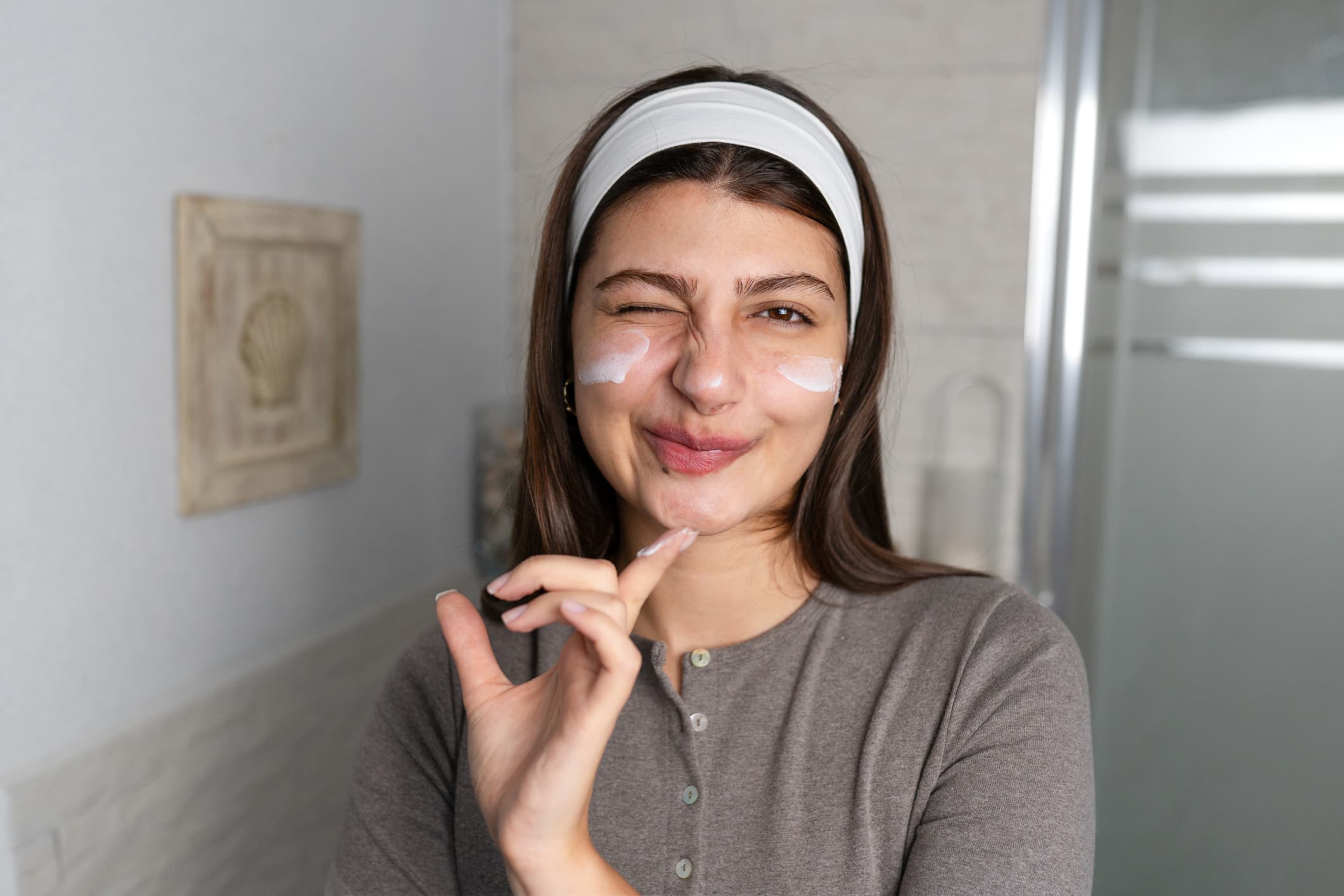
Winter is the kind of season that can make even the most confident skincare routines feel fragile. One day, your skin feels normal; the next, it’s flaky around the nose, cracked along the cheeks, and oddly shiny in certain areas. Indian winters may not be harsh, but they are certainly unpredictable. Mornings are cold, afternoons are dry, and indoor air quietly robs the skin of its moisture.
So, how does skincare change during the winter season? The answer might be in slugging. It appears shiny, seems hot, and is associated with extreme opinions. But the main question is still, does slugging work, particularly in the Indian winters? Read this blog to learn more about slugging and its immense skin benefits.
What is slugging skincare?
Slugging is primarily a protective, not corrective, skincare step, at the most basic level. Rather than applying additional hydration or addressing specific skin issues, slugging aims to prevent moisture loss from the skin. Water is lost from the skin during the day and night, and this loss is accelerated by cold, dry air.
The topmost skin is a protective covering. Once such a shield is weakened, the skin becomes rough, irritated, and uncomfortable. Slugging reinforces this barrier by creating a protective coating on the skin, allowing the skin to retain moisture and support overnight barrier repair during sleep.
This is the reason why slugging is normally carried out at night. While one sleeps, the skin self-repairs, and the moisture seal assists in that repair.
Rather than applying additional hydration or addressing specific skin issues, slugging aims to prevent moisture loss from the skin.
Slugging for dry skin: Why it’s popular in winter
Dry skin needs to be sloughed in winter since cold air is drier than hot air. Studies indicate that low moisture content makes the skin more vulnerable to water evaporation and, therefore, causes dryness and cracks to be more prevalent. Now bring in indoor heating, and the skin barrier is further violated.
During Indian winters, particularly in the north and cities, the skin tends to tighten during the evenings and feel rough when mornings begin. This is where it becomes attractive to slug in winter. Slowing the loss of moisture at night allows the skin to wake up feeling less irritated and calmer.
Face slugging for different skin types (oily, dry, sensitive)
Face slugging does not fit in each case, and different skin types contribute tremendously to the feel and performance. Suitability of slugging depends strongly on skin type, barrier status, and acne tendency—factors routinely evaluated in dermatology practice.
1. Oily skin
Face slugging may still be possible in oily skin when applied in a very thin layer and used selectively. Oily skin should still have its support in the form of a barrier, particularly during winter when it can actually become drier and stimulate more oil production. A very thin sealing layer minimises moisture loss and keeps the skin from being overwhelmed.
2. Dry skin
Face slugging would work best on dry skin, since it tends to lose moisture more than other skin types. This is further aggravated by winter air, resulting in flakiness, tightness, and dullness. Slugging helps form a protective coating that retains hydration overnight, allowing the skin barrier to rest. Using slugging with dry skin may not seem like a trend, but it can feel like a relief.
2. Sensitive skin
Face slugging can be used on sensitive skin, although timing is important. In the case of calm skin, slugging can reduce moisture loss and protect the barrier, which could alleviate sensitivity in the long run. Sensitive skin is better off with the bare minimum exercises, and thus, slugging has to be gentle, occasional, and discontinued at the first sign of itchy or overheated skin. Individuals with rosacea-prone or highly reactive skin should introduce slugging cautiously and discontinue if warmth or irritation occurs.
In the case of calm skin, slugging can reduce moisture loss and protect the barrier, which could alleviate sensitivity in the long run.
Pros and cons of slugging skin
Like most skincare practices, slugging has its advantages and limitations. The following are the prominent pros and cons of slugging.
Pros
1. Reduces moisture loss
Slugging skin allows less water to be lost on the face, particularly during colder seasons. Occlusion performed as a component of slugging skincare can leave the skin feeling softer, less tight and more comfortable in the morning, which is why slugging in winter is especially alluring.
2. Supports the skin barrier
Slugging skincare helps replenish the skin's moisture over time. Any more powerful barrier can alleviate flakiness and sensitivity, which is why lots of people feel like slugging works when their skin begins to feel more relaxed and robust.
3. Easy to fit into routines
Face slugging is a straightforward end procedure that does not involve applying multiple layers. Since it is an act of sealing and not treating, the practice of slugging skin is low effort and not hard to sustain, particularly in winter routines that strive to remain minimal.
Cons
1. Skin can feel heavy or uncomfortable
Some find slugging skin to be sticky or too shiny, especially when it is applied thickly. It is this discomfort that causes slugging to yield different results to different people, and that light application is important, particularly when it is not winter time.
2. Not suitable for every skin type
Although it seems to work well on dry skin, it can be difficult on oily or easily clogged skin. Face slugging can be overwhelming in such situations, which is why one should not follow a routine but adapt it to their needs.
3. Weak in sub-humid environments
Winter slugging works better than in hot, humid weather. When the air is already moist, heavy layers of cream can feel unnecessary and uncomfortable, making slugging less enjoyable.
How to do slugging correctly step-by-step
It is more a matter of intent than amount in doing slugging skincare the proper way. Before sealing the skin, it is necessary to have clean and lightly moist skin. This last layer must be thin and not so thick that it is oily.
Regularity is more important than extravagance. Excessive slugging may overwhelm the skin barrier rather than enhance it. It is frequently stressed in the dermatology recommendations that there is no need to get too complicated with routines and that simple and barrier-supportive routines are more effective.
Winter slugging works better than in hot, humid weather. When the air is already moist, heavy layers of cream can feel unnecessary and uncomfortable.
Who should avoid slugging and why?
Not all people are sluggers, and that is fine. Face slugging can be uncomfortable to those who live in extremely humid conditions. Congested skin is prone to favour light routines. Normally, this is where the answer to whether slugging work becomes personal. In case the skin is itchy, hot, or uncomfortable, this is a definite indicator that the routine is not suitable. It is always better to listen to the skin than to directions. Slugging is generally not recommended for acne-prone, folliculitis-prone, or very oily skin, as heavy occlusion may worsen congestion in susceptible individuals.
Winter skincare is a bit different
The name “slugging” and the shiny finish might sound unusual, but the idea behind it is actually very simple and easy to follow. When it comes to Indian winters, when the skin is having trouble staying dry and feeling painful, slugging in winter can truly help a large number of people keep the skin's barrier intact and feel considerably better.
The most appropriate skincare practices are those that are compatible with the skin, climate, and the comfort of daily life. Slugging, when done well and mindfully, can be less of a trend and more of a barrier-supportive habit, and it will help bestow a bit more care on winter-stressed skin.
Slugging can be beneficial for dry, barrier-impaired skin during Indian winters when used selectively and correctly. However, it is not universally suitable, especially for acne-prone or very oily skin. Personalised skin assessment remains essential for safe use.
Frequently Asked Questions
1. Is slugging effective across all skins?
Light skin tends to be the greatest beneficiary, and oily skin or one that easily absorbs water may require a lighter application, or it can be uncomfortable or overly heavy.
2. Should slugging be used during humid weather?
Winter slugging performs optimally when it is dry. During wet conditions, it might not be very comfortable or even necessary to cover the skin much since moisture loss in the environment is already reduced.
3. How frequently should slugging be performed?
Slugging should be performed two or three times per week instead of every day. This provides the skin with barrier support without overburdening it or causing discomfort in the long run.
Share Article
Related Articles

May 27, 2026
•4 min read
Medically ReviewedHow to Remove Blackheads from Nose: Effective Methods and Tips

Mar 31, 2026
•6 min read
Medically ReviewedHow to Keep Skin Hydrated: A Complete Guide for All Skin Types
Mar 30, 2026
•6 min read
Medically ReviewedHair Follicles Acting Up? Here’s All About Folliculitis