

 Medically Reviewed
Pregnancy Health
Leg Pain in Pregnancy: Causes, Symptoms, and Relief
May 26, 2026
•6 min read
Share Article

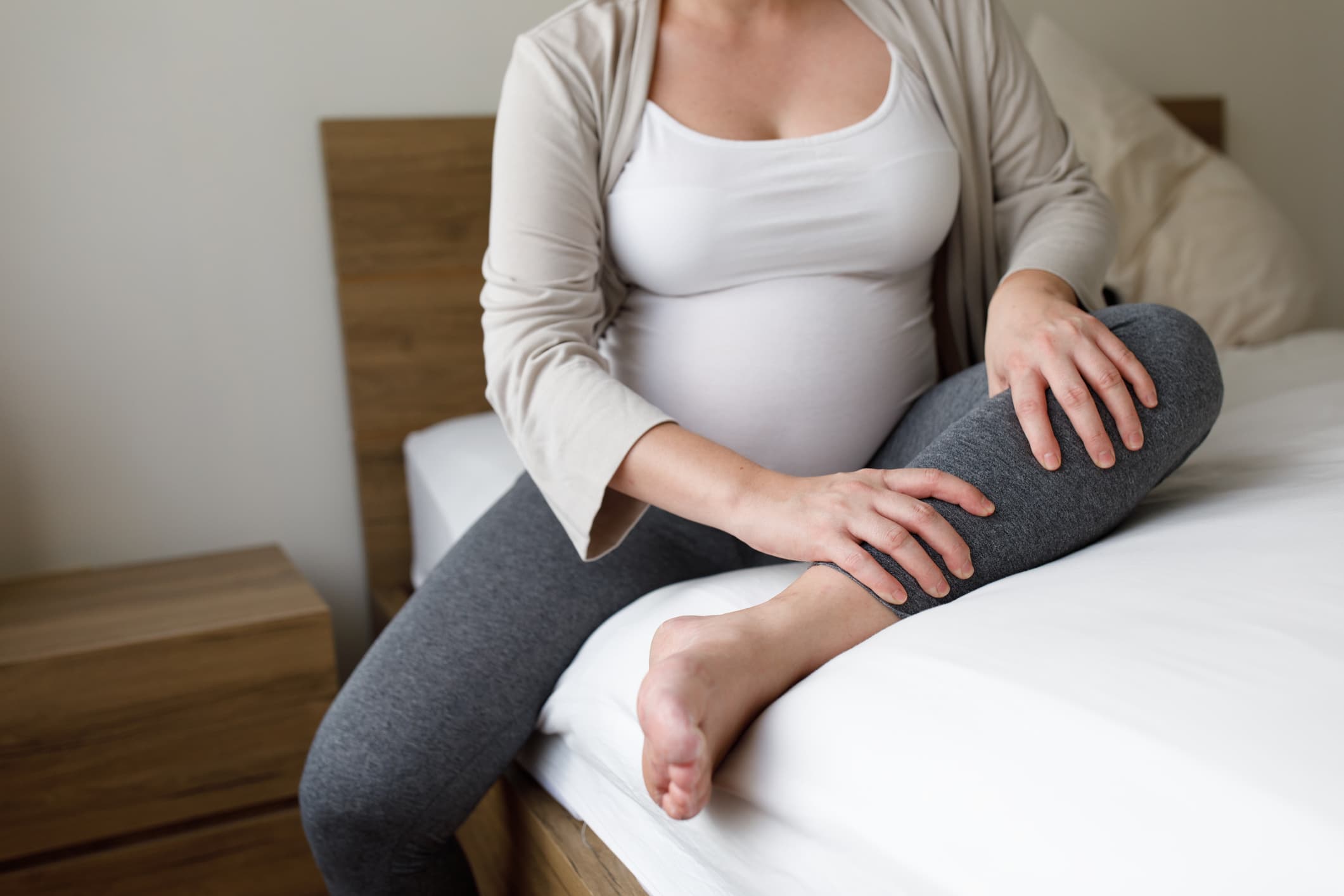
Pregnancy is an experience unlike any other. From emotional changes to physical developments, there is a lot that happens during the nine months. One of such discomforts is sudden and prolonged pain in the legs. Leg pain in pregnancy is very common and may occur at various stages. While many do not feel it until later on in their pregnancy, some can experience the pain in the early stages as well. This may come as a surprise and is somewhat concerning.
The good news? Mostly, it is a natural form of the body adjusting to pregnancy. This blog describes the causes of leg pain during pregnancy, why the pain may be more severe at night, how to safely reduce the pain, and when the problem may require medical intervention.
What is leg pain in pregnancy?
Leg pain during pregnancy refers to discomfort, aching, heaviness, or cramping in the legs that many women experience at different stages of pregnancy. The intensity and type of pain can vary from person to person and may change as pregnancy progresses.
Some may describe it as:
- A dull ache after standing
- A tight pulling feeling in the calves
- Sudden, sharp cramps at night
- Heaviness or swelling in the legs
- Pain that comes and goes throughout the day
Leg pain can affect:
- Calves
- Thighs
- Knees
- Ankles
- Feet
Leg pain during pregnancy refers to discomfort, aching, heaviness, or cramping in the legs that many women experience at different stages of pregnancy.
Common causes of leg pain during pregnancy
Pain in the legs is not normally due to a single factor. During pregnancy, nearly all the body systems are altered, and the legs are not an exception.
Weight gain and posture changes
The weight increases with the progress of pregnancy. This additional weight increases the strain on hips, knees and leg muscles. The increasing bump also moves the centre of gravity forward; that is, there is a change in the body posture. Balance requires more effort on the part of the muscles, and this may cause soreness and aches.
Increased blood volume and circulation changes
In pregnancy, the blood volume is considerably enlarged to ensure the development of the baby. This can lead to:
- Swelling in feet and ankles
- A heavy feeling in the legs
- Aching after standing
Hormonal effects on muscles and ligaments
The hormones caused during pregnancy aid in loosening up the ligaments so that the pelvis can be ready to give birth. Nevertheless, the loose ligaments can also result in the joints becoming less stable, causing pain in the legs and hips.
In pregnancy, the blood volume is considerably enlarged to ensure the development of the baby. This can lead to swelling in the feet and ankles.
Leg pain and cramps in early pregnancy and the first trimester
Many people think leg pain only happens later, but leg pain in the first trimester can happen too.
So, do legs hurt in early pregnancy? Yes, they can. Although it's less common than later pregnancy cramps, early leg discomfort does occur for some.
Why does leg pain happen early?
In the first trimester, the body is already going through major internal changes, even though the baby is still tiny.
Early leg pain may be linked to:
- Hormonal shifts: Hormones begin rising immediately and can affect muscles and ligaments.
- Circulation adjustments: Blood flow begins to increase early, which can cause mild heaviness.
- Fatigue: Muscles tire more easily during the first trimester because energy is being used for pregnancy development.
- Dehydration: Early nausea may reduce fluid intake, which can contribute to cramps.
Why does leg pain often happen at night during pregnancy
Leg pain during pregnancy that affects the night is one of the most frequently complained-of symptoms. Night cramps can be abrupt and can be overwhelming, which can wake one up out of sleep.
Why does it happen at night?
Cramps are more probable at night for several reasons:
- During sleep, muscles relax: Muscles that are relaxed are easily cramped.
- Decreased movement: The prolonged lying position retards circulation.
- Cramps later: Walking around and standing during the day can be a cause of cramps later.
- Blood circulation: Pregnancy alters the blood circulation of the legs, and this could be a cause of calf cramps.
Night cramps tend to be the most prevalent during the second and third trimesters, although some might experience them at earlier stages.
Symptoms to watch for: When leg pain is normal vs. concerning
Most pregnancy leg pain is normal, but it's important to recognise when something feels unusual.
Normal pregnancy leg pain includes:
- Mild aching after standing
- Occasional cramps that ease quickly
- Swelling in both legs improves with rest
- Heaviness that comes and goes
Symptoms that need medical advice include:
- Sudden severe pain in one leg
- Redness or warmth in the calf
- Swelling in only one leg
- Pain that does not improve
- Difficulty walking
Home remedies and relief strategies for leg pain and cramps
Several simple home remedies can help relieve leg pain during pregnancy. These methods are safe, easy to follow, and can significantly reduce discomfort when practised regularly.
- Gentle massage
Gently massaging the affected area helps relax tight muscles and improve blood circulation. Using light pressure and slow movements can ease soreness and reduce cramping.
- Warm compress
Applying a warm compress to the painful area can help relieve muscle tension and reduce cramps. The warmth improves blood flow and promotes relaxation of the muscles.
- Elevating the legs
Raising the legs above heart level helps reduce swelling and improve circulation. This is especially helpful after standing or sitting for long periods.
- Taking rest breaks
Standing for extended periods can worsen leg pain. Taking regular breaks to sit or lie down allows the muscles to relax and prevents further strain.
Stretching and exercises to prevent leg pain in pregnancy
Gentle movement keeps muscles flexible and improves circulation.
Helpful stretches include:
- Calf stretches against a wall
- Ankle circles while sitting
- Gentle walking
- Pregnancy-safe yoga
Stretching before bed can be especially helpful for leg pain at night during pregnancy.
Gently massaging the affected area helps relax tight muscles and improve blood circulation.
Diet and hydration tips to reduce leg pain at night
Proper nutrition and adequate hydration play an important role in preventing nighttime leg pain and muscle cramps during pregnancy.
- Stay hydrated
Drink water consistently throughout the day rather than consuming large amounts at once. Proper hydration helps maintain electrolyte balance and supports healthy muscle function.
- Consume calcium
Calcium is essential for muscle and nerve function. Low calcium levels can contribute to muscle cramping. Add calcium-rich foods like milk, yoghurt, cheese, and leafy green vegetables.
- Include magnesium-rich foods
Magnesium helps relax muscles and may reduce nighttime leg cramps. Good sources include nuts, seeds, whole grains, legumes, and dark leafy greens.
- Maintain balanced meals
Eat balanced meals that include protein, healthy fats, and complex carbohydrates. Proper overall nutrition supports muscle strength and prevents fatigue-related cramps.
- Limit excess salt and processed foods
Too much sodium can increase swelling and discomfort in the legs. Reducing processed and salty foods may help minimise fluid retention.
When to see a doctor for pregnancy-related leg pain
Medical advice should be sought if:
- Pain is sudden, severe, or unusual
- One leg is swollen more than the other
- Redness or warmth develops
- Walking becomes difficult
- Symptoms cause serious concer
Prevention and long-term care during pregnancy
Leg pain cannot always be prevented, but these habits may reduce discomfort:
- Stretching daily
- Staying gently active
- Avoiding sitting or standing too long
- Sleeping on the side with a pillow between the knees
- Wearing supportive shoes
Pregnancy is an extended experience where comfort matters. Keeping track of small changes to one's body and properly addressing them can make daily life much easier.
The final takeaway
Pregnancy already comes with plenty of surprises, and leg pain, especially at night, is one of those symptoms nobody really asks for. Still, it is extremely common, and yes, leg pain in the first trimester of pregnancy can happen as the body begins adjusting to hormonal and circulation changes.
With stretching, hydration, gentle movement, and rest, many pregnant people find relief. And when symptoms feel unusual or intense, professional guidance can offer reassurance.
Frequently Asked Questions
1. What causes leg pain during pregnancy?
Leg pain is often caused by circulation changes, hormones, posture shifts, and muscle fatigue during pregnancy.
2. How to help with pregnancy leg cramps?
Stretching, hydration, massage, warmth, and leg elevation can help reduce cramps, especially at night.
3. Is it normal to wake up with leg pain while pregnant?
Yes, leg pain at night during pregnancy is very common, particularly later in pregnancy.
4. When do pregnancy leg cramps usually start?
Leg cramps often begin in the second trimester, though leg pain in early pregnancy can happen for some people as well.
Share Article


