

 Medically Reviewed
Pregnancy Health
Prenatal Yoga Poses for Every Trimester
Jun 3, 2026
•5 min read
Share Article

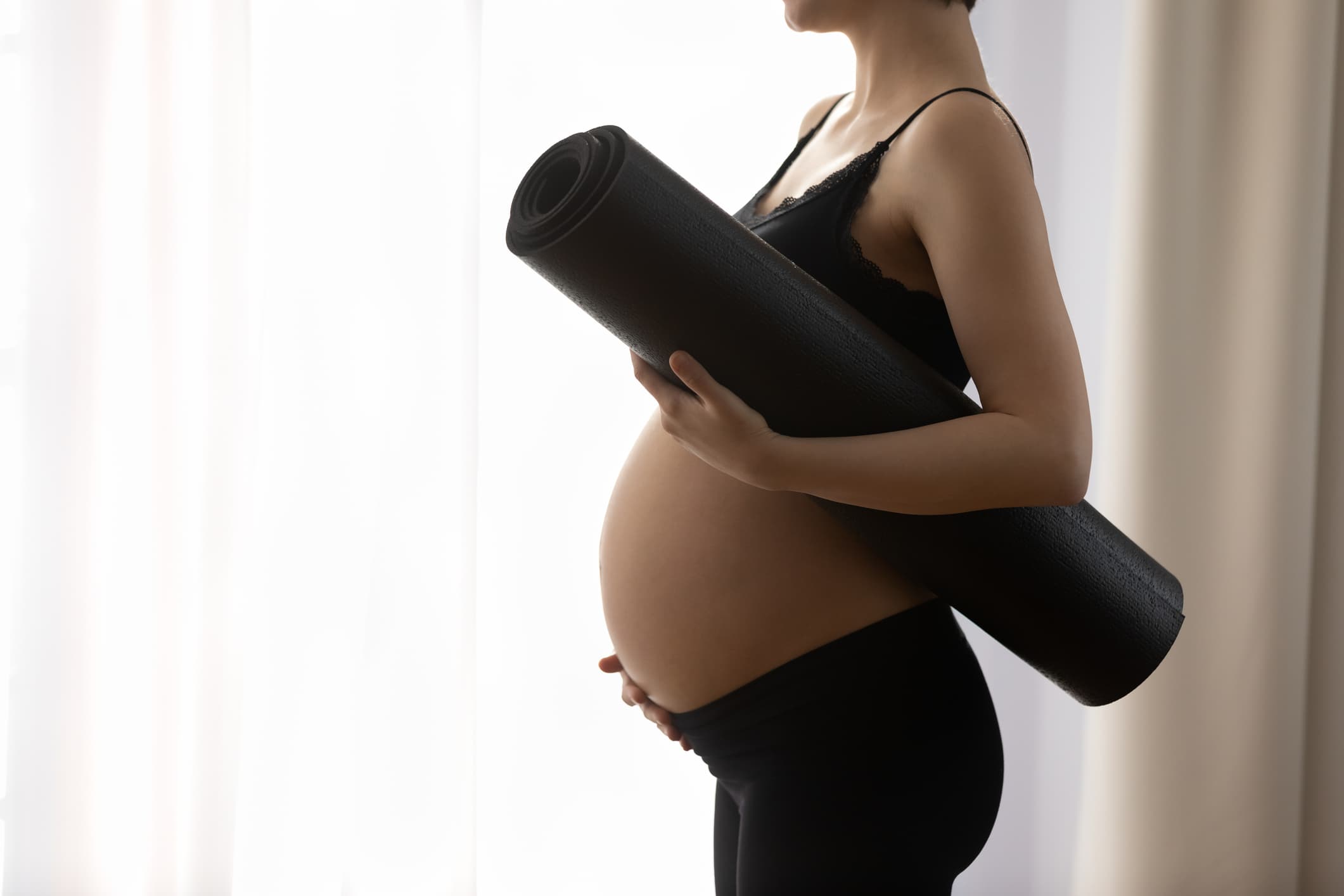
Your body is doing something truly remarkable, but with every stage of pregnancy comes a new set of physical and emotional changes that can sometimes feel hard to keep up with. From fluctuating energy levels to shifts in balance and posture, pregnancy constantly asks your body to adapt. That is why finding movement that supports, rather than strains, your body becomes so important. Well-chosen prenatal yoga poses can help you move more comfortably, build strength, ease tension, and create moments of calm amidst the changes.
In this blog, we'll guide you through prenatal yoga poses tailored to each trimester, helping you feel more supported, connected, and confident throughout your pregnancy journey.
What is prenatal yoga?
Prenatal yoga focuses on gentle, pregnancy-safe movements that help women stay active while supporting their changing bodies. These prenatal yoga poses combine mindful breathing, light stretching, and relaxation techniques to prepare both the body and mind for childbirth.
Benefits of prenatal yoga
Simple, soothing prenatal yoga stretches can support both physical comfort and emotional well-being throughout pregnancy. Some benefits include:
- Helps ease common discomforts such as back pain, swelling, and fatigue
- Improves flexibility and strengthens muscles needed for labour
- Supports better posture and balance as the body changes
- Encourages relaxation and helps reduce stress and anxiety
- Promotes better sleep and overall mental calmness
- Teaches breathing techniques that may help during labour and delivery
Prenatal yoga is designed specifically for pregnancy, focusing on gentle movements that support the body without putting unnecessary strain on it.
First-trimester yoga poses
During the first trimester, hormonal changes can cause fatigue, nausea, and low energy levels. Gentle and restorative pregnancy yoga poses are usually the most comfortable during this stage.
Head-to-knee forward bend (Janu Sirsasana)
This seated pose gently stretches the back, hips, and legs while promoting relaxation. Keep the stretch soft and avoid compressing the abdomen. Sitting on a folded blanket or cushion can provide extra comfort and support.
Wide-angle seated forward bend (Upavistha Konasana)
One of the best prenatal yoga poses for opening the hips and stretching the inner thighs, this pose may also help improve pelvic circulation. Sit tall and avoid folding too deeply forward to maintain space for the abdomen.
Cat-cow pose (Marjaryasana–Bitilasana)
This gentle flowing movement between arching and rounding the spine helps relieve back tension and improve spinal flexibility. It also encourages mindful breathing, which can be helpful throughout pregnancy.
Second-trimester yoga poses
The second trimester is often considered the most comfortable stage of pregnancy, with energy levels usually improving. This can be a good time to focus on prenatal yoga poses that build strength and stability while remaining gentle on the body.
Bound angle pose (Baddha Konasana)
This pose helps open the hips and groin while improving flexibility in preparation for childbirth. Sit with the soles of the feet together and allow the knees to relax outward. Cushions under the thighs can help reduce strain.
Child’s pose (Balasana)
One of the most restorative yoga poses for pregnant women, Child’s pose can help ease back and hip discomfort. Widen the knees to create space for the belly and use pillows or bolsters for additional support if needed.
Triangle pose (Trikonasana)
This standing pose strengthens the legs, improves balance, and stretches the sides of the body, which can feel especially relieving as the belly grows. Move slowly and avoid overreaching.
Standing forward bend (Uttanasana)
This pose gently stretches the hamstrings and lower back. During pregnancy, keep a slight bend in the knees and avoid deep abdominal compression. Using yoga blocks or resting the hands on the thighs can make the pose more comfortable and stable.
Baddha Konasana opens the hips and groin, helping to improve flexibility in preparation for childbirth.
Third-trimester yoga poses
In the final trimester, the focus shifts towards relaxation, gentle strengthening, and preparing the body for labour. During this stage, prenatal yoga poses should prioritise comfort, stability, and mindful movement.
Warrior II (Virabhadrasana II)
This pose helps strengthen the legs, improve endurance, and encourage grounding and focus. Keep the stance slightly shorter than usual to maintain balance and avoid strain.
Garland pose (Malasana)
A natural squatting pose, Malasana helps open the hips and pelvis while easing lower back tension. It may also support digestion. If needed, place a block or cushion under the hips for added comfort and stability.
Easy pose (Sukhasana)
One of the simplest pregnancy yoga poses, this seated posture is ideal for breathing exercises and meditation. It supports good posture and encourages relaxation. Sitting on a cushion can make the pose more comfortable.
Side corpse pose (Parsva Savasana)
This deeply restorative pose involves lying on the left side with pillows for support. It allows the body to fully relax without putting pressure on the back or abdomen. It is especially helpful during the third trimester, when lying flat on the back is generally not recommended.
Avoid lying flat on your back for long periods, especially after the first trimester.
What to watch out for during prenatal yoga
Prenatal yoga can be a safe and empowering way to stay active during pregnancy, but it’s important to practise mindfully to protect both your comfort and your baby’s wellbeing.
Keep these precautions in mind:
- Avoid lying flat on your back for extended periods, especially after the first trimester
- Skip deep twists and intense abdominal compressions
- Avoid high-impact movements or balancing poses with a risk of falling
- Listen to your body and never push through pain or discomfort
- Keep movements slow, controlled, and gentle
- Stay hydrated and avoid overheating
- Use props such as cushions, bolsters, or blocks for extra support
- Practise under guidance if you are new to yoga or unsure about certain poses
- Consult your doctor before starting or continuing yoga during pregnancy
Connecting with your baby through yoga
Prenatal yoga can be a gentle, supportive practice that nurtures both body and mind throughout pregnancy. By choosing the right prenatal yoga poses and adapting them as your body changes, you can stay active while feeling safe and comfortable.
Whether you are completely new to yoga or already familiar with the practice, prenatal yoga offers a calming way to connect with yourself and your baby. With proper guidance and mindful movement, it can become a meaningful part of your journey into motherhood.
Frequently Asked Questions
1. When should we start prenatal yoga?
You can begin prenatal yoga at any stage of pregnancy, provided you have your doctor’s approval. Many women start in the first trimester, but it is advisable for those who have been doing some form of exercise before pregnancy. It's especially beneficial from the second trimester onwards when the body begins to change more noticeably.
2. What to avoid in prenatal yoga?
Avoid poses that involve lying flat on your back for long periods, deep twists, or intense abdominal pressure. It’s also best to steer clear of any movements that feel uncomfortable, risky, or could affect your balance.
3. Can I do planks while pregnant?
Planks can be done in early pregnancy if you feel comfortable, but they should be modified as your pregnancy progresses. If you experience strain, dizziness, or abdominal separation, it’s best to avoid them and switch to safer alternatives.
4. Which exercises are not allowed in pregnancy?
Exercises that involve high impact, jumping, heavy lifting, or a risk of falling should generally be avoided. Activities like contact sports, deep backbends, and movements that compress the abdomen are also not recommended during pregnancy.
Share Article


