
 Clinically Reviewed
Diet & Nutrition
Matcha Benefits & Side Effects You Must Know
Matcha is packed with benefits, but can you drink too much? Learn about matcha caffeine content, nutrition, side effects, and how to enjoy it safely without overdoing it.
Jul 18, 2025
•7 min read
Share Article

From a quiet Japanese tradition to the chic cafes of Bandra and Khan Market, matcha has truly arrived, and with it, a flood of bold claims. A superfood? A wellness ritual? Or simply the latest trend dressed in aesthetic packaging?
In a country that runs on cutting chai, this vibrant green powder promises something different: slow mornings, mindful sips, and a glow from the inside out. But as matcha conquers menus, medicine cabinets, and social media feeds alike, the real questions are starting to surface: Is it genuinely good for you, or are there sides to this story we're not talking about?
What is matcha
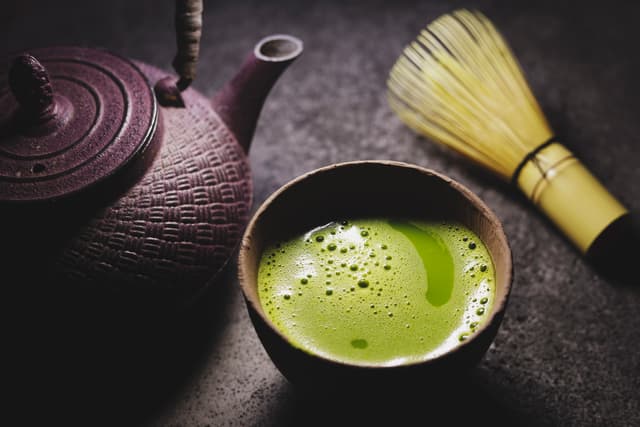
Matcha is a finely ground powder made from specially shade-grown green tea leaves, and unlike regular green tea, where you steep and discard the leaves, with matcha, you're consuming the whole leaf.
That distinction matters more than you'd think. Because you're drinking the entire leaf, matcha is significantly more potent in flavour, nutrients, and caffeine than your standard brew.
It contains a remarkable 30% polyphenols by dry weight, compounds strongly linked to health benefits, leaving regular green tea well behind by comparison. For health-conscious individuals, that's precisely where the conversation gets interesting.
Matcha nutrition facts: What’s inside?
Understanding matcha nutrition facts gives you the edge in using it smartly. Along with caffeine and L-theanine, matcha contains:
- Chlorophyll (detox win!)
- Fibre (especially useful for digestion)
- Vitamins A, C, and E
- Potent catechins like EGCG, the real MVP of green tea benefits
But more isn’t always better.
Matcha is a finely ground powder made from specially shade-grown green tea leaves, and unlike regular green tea, where you steep and discard the leaves, with matcha, you're consuming the whole leaf.
In a land where we swear by haldi doodh and kadha for our health, it's no surprise we're curious about matcha's wellness claims. The buzz around matcha health benefits isn't just social media hype; it's backed by science.
Let’s break it down:
1. Heart health
Matcha may support heart health largely due to its high concentration of catechins, particularly epigallocatechin gallate (EGCG). Catechins are powerful antioxidants that help reduce oxidative stress and inflammation, two major contributors to cardiovascular disease. Matcha can also help lower LDL (bad) cholesterol levels and improve blood vessel function, thereby supporting overall cardiovascular health.
2. Brain function and cognitive health
Matcha contains a unique combination of L-theanine and caffeine, which work together to improve focus and mental clarity without causing the sudden energy crash often associated with coffee. L-theanine promotes a state of calm alertness by influencing brain chemicals such as dopamine and serotonin.
3. Antiviral and immune support
Research suggests that the catechins present in matcha, particularly EGCG, may have antiviral properties. Studies indicate that these compounds may interfere with the ability of certain viruses to attach to and enter human cells. While more clinical research is needed, the antioxidant and antimicrobial properties of matcha may contribute to supporting the body’s immune defence mechanisms.
4. Blood sugar regulation
Matcha may help maintain stable blood sugar levels due to the presence of polyphenols and catechins, which can influence how the body processes glucose. These compounds may help slow the absorption of sugar in the bloodstream and improve insulin sensitivity. As a result, matcha may support better glucose control.
5. Anti-inflammatory effects
Matcha is rich in antioxidants, including catechins and chlorophyll, which help combat inflammation in the body. Chronic inflammation is linked to a variety of health conditions, including heart disease, arthritis, and metabolic disorders. The anti-inflammatory compounds in matcha work by neutralising free radicals, helping protect cells and tissues from damage.
6. Metabolism and fat burning
Matcha may support metabolism through the combined action of catechins (especially EGCG) and caffeine. Research suggests that these compounds may increase thermogenesis, the process by which the body burns calories to produce heat. This can help improve fat oxidation and overall energy expenditure, making matcha a popular addition to balanced diets and active lifestyles.
These are just some of the top benefits. And that’s before we even get to the mindful calm the ritual of preparing it can bring.
Side effects of matcha
Yes, there are matcha side effects — especially when you go from one mindful serving to five scoops in your smoothie bowl.
Here's what overdoing it can cause:
1. Stomach discomfort
Matcha contains tannins, a type of polyphenol also found in tea and coffee. Tannins can increase stomach acid production, which may cause nausea, stomach irritation or digestive discomfort, particularly when matcha is consumed on an empty stomach or in large quantities.
2. Reduced iron absorption
The tannins and catechins in matcha can bind to non-haem iron (the form of iron found in plant-based foods), making it harder for the body to absorb. Over time, this may affect iron levels, particularly in individuals who rely heavily on plant sources of iron. To minimise this effect, it is often recommended to consume matcha at least an hour before or after iron-rich meals.
3. Effects of excess caffeine
Matcha naturally contains caffeine, which stimulates the central nervous system. While moderate intake can improve alertness, excessive consumption may lead to jitters, restlessness, anxiety, headaches or sleep disturbances, especially in individuals who are sensitive to caffeine.
4. Potential liver stress
Matcha is rich in catechins, particularly epigallocatechin gallate (EGCG). Although these antioxidants are beneficial in moderate amounts, extremely high intake may place additional strain on the liver in some individuals. This risk may increase if matcha is consumed in very large quantities or alongside certain medications or supplements that also affect liver metabolism.
Those pregnant, breastfeeding, or dealing with anaemia or young kids should be especially cautious.
Exceeding 5 grams of matcha powder daily may increase the risk of negative side effects, especially in sensitive individuals.
How much matcha is too much?
Drinking more than 5 grams of matcha per day can lead to negative effects, particularly for individuals sensitive to caffeine or plant compounds. Excessive intake can lead to jitters, restlessness or sleep disturbances due to caffeine, while high tannin levels may irritate the stomach or interfere with non-haem iron absorption.
For most people, 1–2 servings (around 1–2 grams of matcha powder) per day are sufficient to enjoy its health benefits safely, and paying attention to your body’s response is essential.
Caffeine in matcha and its effects on the body
Matcha contains a moderate amount of caffeine, typically around 18–44 mg per serving of powder, which is generally higher than regular green tea but often lower than a standard cup of coffee. While green tea usually provides about 20–40 mg of caffeine per cup, and coffee can contain 80–100 mg or more, matcha offers a more balanced source of energy.
What makes matcha different is the presence of L-theanine, an amino acid that works alongside caffeine to promote calm alertness. This combination helps improve focus, concentration and mental clarity, while reducing the jittery feeling or sudden energy crash that some people experience with coffee.
However, moderation is still important. Drinking excessive amounts of matcha may lead to higher caffeine intake, which could cause symptoms such as restlessness or difficulty sleeping in sensitive individuals. Consuming one to two cups per day is generally considered a reasonable amount for most people while still allowing them to benefit from matcha’s antioxidants and gentle energy boost.
It is often recommended to consume matcha at least an hour before or after iron-rich meals.
Final sip: Matcha as a modern ritual
Let's be real: matcha is having a moment, and it's more than just a pretty green drink. It's become the go-to for anyone who wants to feel focused without the anxious buzz from coffee. Matcha gives you that clean, steady energy that just hits different.
It's a common question: Can you drink too much matcha? Yes. While the health benefits are real, it’s all about balance. Think of it as a wellness tool—use it right, and it's a total game-changer. Understanding matcha caffeine content, staying aware of matcha nutrition facts, and balancing the matcha health benefits and risks can help you get the best of both worlds.
Frequently Asked Questions
1. What is the 30/20/10 rule for matcha?
The 30/20/10 rule suggests using 30% water, 20% milk, and 10% matcha powder for a balanced drink, ensuring flavour without overconsumption of caffeine or tannins.
2. What happens if I drink matcha daily?
Daily consumption of 1–2 cups can boost antioxidants, improve focus, and support metabolism, but excessive intake may cause jitters or digestive issues.
3. Does matcha burn belly fat?
Matcha may support fat metabolism due to catechins and caffeine, but it works best alongside a balanced diet and exercise, rather than as a standalone solution.
4. Who cannot drink matcha?
People sensitive to caffeine, pregnant or breastfeeding women, and individuals with certain liver issues or iron deficiency should limit or avoid matcha.
5. Can matcha tea cause headaches?
Yes, consuming too much matcha may cause headaches or jitteriness due to its caffeine content.
Share Article