
 Clinically Reviewed
Diet & Nutrition
Microdosing Coffee: The New Productivity Hack — Does It Work?
Feb 2, 2026
•5 min read
Share Article

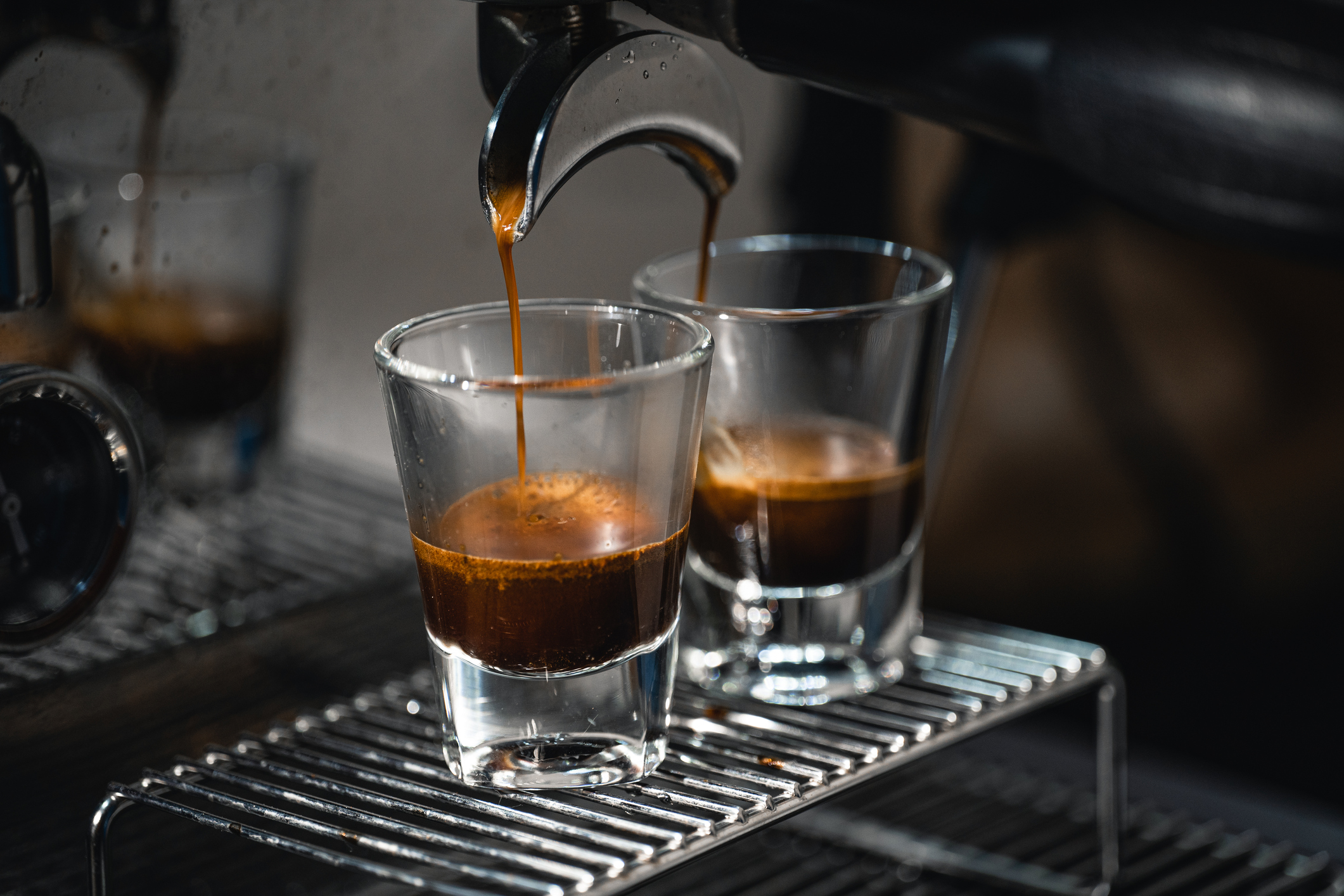
You know that moment when your coffee goes cold because you forgot about it while answering one email, then another, then suddenly it’s lunchtime, and you’re somehow more tired than when you started? Coffee is meant to help boost productivity and focus, yet for many of us, it’s become a cycle of overdoing it, crashing, and reaching for another cup just to feel normal. That’s where the idea of microdosing coffee comes in: smaller amounts, taken with intention, rather than one big caffeine hit.
It sounds refreshingly sensible, but does it actually improve focus and productivity, or just make us feel virtuous about drinking less caffeine? In this blog, we’ll dive into what microdosing coffee looks like in real life, why people are trying it, and whether this gentler approach to caffeine is worth adopting.
How microdosing caffeine works in the body
Caffeine stimulates the central nervous system by blocking adenosine, the brain chemical that signals fatigue, boosting alertness and focus. Microdosing caffeine takes small amounts throughout the day instead of one large cup, helping maintain steady energy and avoiding the crashes typical of traditional intake.
A caffeine microdose is gentler on the body, reducing jitters, rapid heartbeat, and digestive issues, while supporting sustained mental sharpness and concentration. Studies indicate that a 60 mg dose of caffeine can significantly enhance sustained attention and feelings of alertness when compared with no caffeine intake.
Did You Know?
Microdosing caffeine takes small amounts throughout the day instead of one large cup, helping maintain steady energy and avoiding the crashes typical of traditional intake.
Microdosing coffee vs traditional caffeine intake
Traditional caffeine intake usually means consuming one or two large cups of coffee in the morning or early evening. This can provide a quick energy boost, but it often comes with downsides like jitters, irritability, and sudden crashes once the effects wear off. In comparison, microdosing drinks involve taking small amounts of caffeine spread throughout the day, often around 10–20 mg per serving; much lower than a typical 95 mg cup of coffee. This creates a steadier effect on focus and alertness, helping maintain consistent energy levels.
A caffeine microdose can also reduce reliance on large doses, lowering the risk of building a tolerance and experiencing the highs and lows associated with traditional caffeine consumption. By choosing this method, many find a smoother, more controlled boost to productivity and concentration. 150ml of black coffee without sugar OD helps in lowering the risk of fatty liver. Research suggests that even low doses of caffeine can have a positive impact on cognitive performance and mood. Amounts as low as 12.5–25 mg have been shown to improve reaction time and vigilance, supporting better focus during cognitive tasks.
Benefits of a caffeine microdose on focus and productivity
Tired of the coffee rollercoaster, buzz, crash, repeat? Microdosing coffee offers a smart alternative, delivering small, steady doses of caffeine that keep your brain alert and your energy smooth all day long.
The following are some of the benefits of a caffeine microdose.
- Steady focus
Small, frequent doses of caffeine help maintain consistent alertness, preventing the mid-morning or mid-afternoon energy dips that often occur with larger cups of coffee.
- Enhanced productivity
By keeping the brain gently stimulated, a caffeine microdose can improve concentration and efficiency, making it easier to complete tasks that require sustained attention.
- Fewer side effects
Microdosing drinks reduce the likelihood of jitters, anxiety, or rapid heartbeat, offering a smoother, more manageable energy boost. It enhances mood for a short period, so you become habituated.
- Improved cognitive endurance
Regular, low doses of caffeine help the brain stay sharp for longer periods, supporting problem-solving, decision-making, and creative thinking without overstimulation.
- Balanced mood and motivation
Low-dose caffeine can subtly enhance dopamine levels, helping maintain motivation, lift mood, and support a positive, productive mindset throughout the day.
Quick Fact
Regular, low doses of caffeine help the brain stay sharp for longer periods, supporting problem-solving, decision-making, and creative thinking without overstimulation.
Low-dose caffeine and its impact on mood and stress
Microdosing coffee doesn’t just keep you alert, it can also subtly influence mood and stress levels, making it a favourite for those seeking steady mental performance without the usual caffeine jitters.
Impact of low-dose caffeine on mood and stress
- Gentle mood boost
Low doses of caffeine can enhance dopamine and serotonin activity, helping to lift mood and maintain motivation throughout the day.
- Reduced stress response
Unlike large caffeine amounts, a low dose of caffeine intake is less likely to trigger cortisol spikes, keeping stress levels calmer and more manageable.
- Enhanced mental clarity
By improving alertness without overstimulation, microdosing coffee can help maintain focus even during stressful or demanding tasks.
- Stable energy flow
Spreading out small doses of caffeine prevents the highs and crashes associated with traditional consumption, contributing to a more balanced mental state.
- Subtle cognitive edge
Microdosing can improve reaction times, attention span, and short-term memory, giving you a mental edge without causing anxiety or restlessness.
Ideal dosage and timing for microdosing coffee
When it comes to microdosing coffee, timing and dosage are everything. A typical approach involves taking small amounts of caffeine, around 10–20 mg, every few hours, rather than consuming one or two large cups. This method helps maintain consistent energy and alertness throughout the day without causing jitters or crashes. The key is to adjust the schedule to suit your body’s sensitivity, ensuring that microdosing coffee supports focus, productivity, and even mood without disrupting sleep.
Quick Tip
Unlike large caffeine amounts, a low dose of caffeine intake is less likely to trigger cortisol spikes, keeping stress levels calmer.
Final thoughts: Is microdosing coffee worth it?
If you’ve ever wished for a productivity hack that gives you energy without the crash, microdosing caffeine might just be the answer. By taking small, controlled doses throughout the day, you can maintain focus, steady energy, and even a balanced mood. While it’s not a magic wand and may not suit everyone, many find that this approach offers a gentler, more consistent way to harness the benefits of caffeine. As with any habit, paying attention to your body’s response and adjusting accordingly is key to making microdosing caffeine work for you.
Frequently Asked Questions
1. What is microdosing coffee?
Microdosing coffee involves consuming small, controlled amounts of caffeine at regular intervals rather than one or two large cups. This approach aims to maintain steady alertness and focus throughout the day.
2. What are the benefits of microdosing caffeine?
Benefits include sustained focus, improved productivity, reduced jitters, better cognitive endurance, and a subtle boost to mood and motivation without the highs and lows of traditional coffee intake.
3. Is microdosing coffee better than drinking a full cup?
For many, yes. Microdosing provides a smoother, more consistent energy flow and lowers the risk of side effects like anxiety, rapid heartbeat, and energy crashes.
Share Article