
 Medically Reviewed
Hormonal Health
NAFLD Symptoms: Early Signs, Causes & Diagnosis
Jun 15, 2026
•7 min read
Share Article

Most health conditions don't arrive with a clear warning, and NAFLD is a classic example of this. It is often called a "silent" disease because it can develop gradually, with little to no noticeable symptoms, while daily life continues as normal.
That is exactly what makes it so easy to overlook. A bit of fatigue here, mild discomfort there, nothing that seems serious enough to investigate. However, over time, these subtle signs can point towards something more significant.
Understanding NAFLD symptoms, especially the early signs, is therefore essential. It helps you recognise what your body may be trying to indicate before the condition progresses further. In this blog, we'll break down everything from the early warning signs to the underlying causes of NAFLD, along with how it is diagnosed, in a clear and easy-to-understand manner.
NAFLD is now officially known as Metabolic Dysfunction-Associated Steatotic Liver Disease (MASLD), a rename introduced in 2023 to better reflect its metabolic origins. The condition itself hasn't changed — just the name.
What is NAFLD (Non-alcoholic fatty liver disease)?
Non-alcoholic fatty liver disease (NAFLD), now also known as Metabolic Dysfunction-Associated Steatotic Liver Disease (MASLD), is a condition in which excess fat accumulates in the liver cells of people who consume little or no alcohol. The newer term, MASLD, better reflects the condition's underlying metabolic origin. While the liver normally contains a small amount of fat, problems arise when this fat builds up beyond healthy levels and begins to interfere with normal liver function.
The main predisposing factors for MASLD include:
- Obesity, particularly excess abdominal (central) fat
- Type 2 diabetes mellitus
- Dyslipidaemia (abnormal cholesterol or triglyceride levels)
- Metabolic syndrome
Common NAFLD symptoms
NAFLD is a disease that is often silent, with symptoms that can be easily ignored or disregarded. Nevertheless, it is possible to notice these minor shifts in advance and thus prevent the development of liver issues.
Persistent fatigue
One of the most common NAFLD symptoms is ongoing fatigue that doesn’t improve with rest. This occurs due to the fact that the liver contributes greatly towards energy production. Once it gets less effective in the presence of fats, the body can always be low on energy, even after getting enough sleep.
Abdominal discomfort
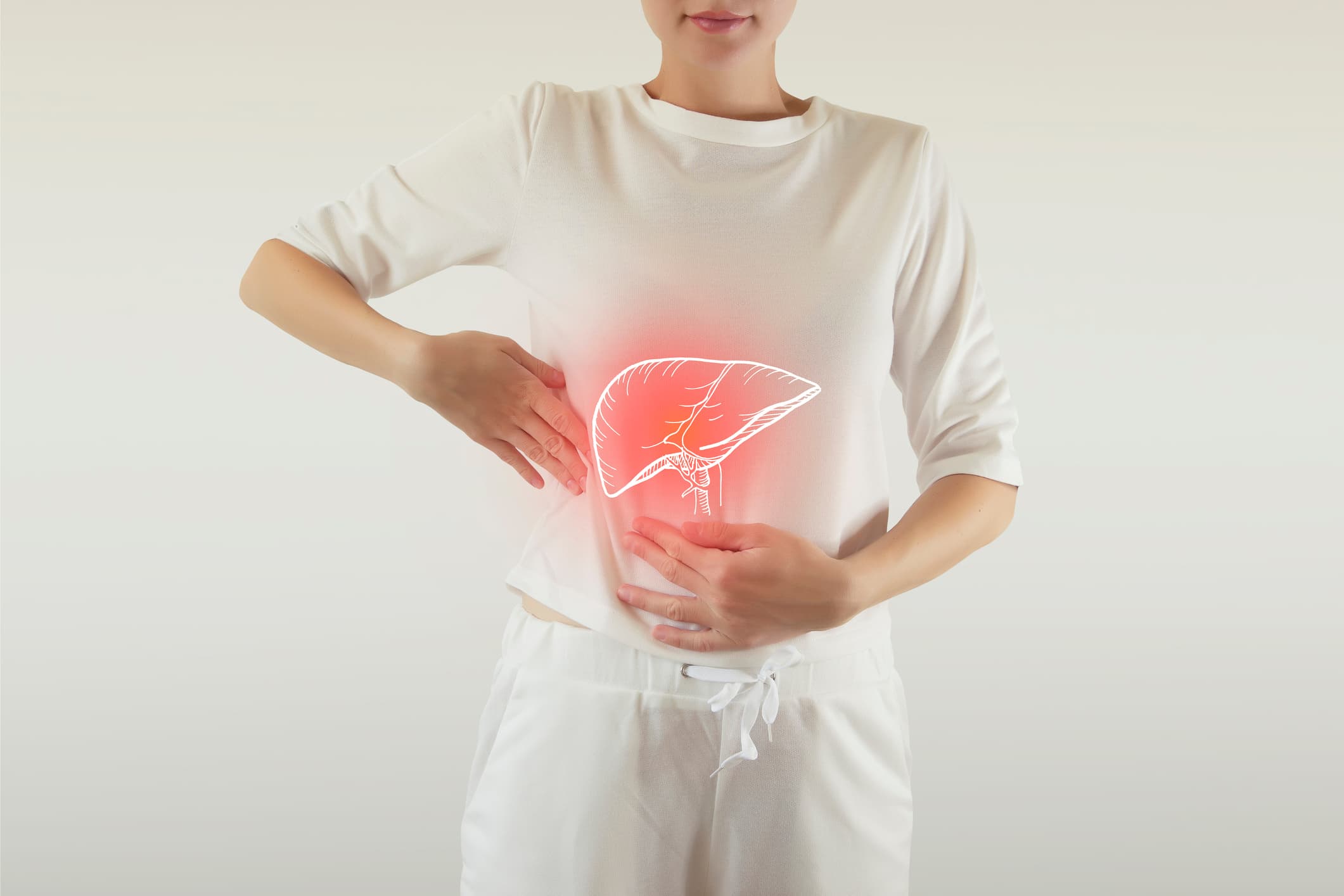
There may be mild, dull aches or fullness of the upper right abdomen. This region is the position of the liver. The pain is not normally intense, but might be chronic when one has just eaten or when one is inactive.
Brain fog and poor concentration
Brain fog and poor concentration are also commonly reported symptoms. Many people describe this as a feeling of mental sluggishness or difficulty focusing. It may be linked to the liver’s reduced efficiency in processing toxins and maintaining metabolic balance, which can indirectly affect mental clarity and concentration.
Unexplained weakness
This may be developed over time in terms of a general feeling of weakness or a lack of physical strength. Here, the daily routine might be more exhausting than it is typical. This symptom is very delicate and may slowly influence overall stamina and physical performance, unless treated.
Mild abdominal swelling
Abdominal swelling or bloating may be observed in some instances. This is normally gentle in the initial stages but may be uncomfortable. It can be confused with digestive problems instead of being attributed to the changes that occur in the liver.
One of the most common NAFLD symptoms is ongoing fatigue that doesn’t improve with rest.
What causes NAFLD?
To understand the causes of NAFLD, it is important to look at how the body processes and stores energy. NAFLD develops when there is an imbalance between the amount of fat and sugar entering the liver and the liver's ability to process or remove them.
One of the major contributors is excess calorie intake, particularly from foods high in sugar and unhealthy fats. When the body receives more energy than it needs, the surplus is stored as fat, including within the liver.
Another key factor is insulin resistance, which is considered the primary driver in the development of NAFLD. Insulin resistance occurs when the body's cells do not respond effectively to insulin, leading to higher blood sugar levels. The liver then converts this excess sugar into fat, contributing to fat accumulation in liver cells.
NAFLD is now understood through a "multiple-hit" model, where several factors can work together to drive the disease. These include:
- Insulin resistance, the central mechanism behind NAFLD development
- Increased free fatty acid flux to the liver, leading to excess fat deposition
- Oxidative stress, which damages liver cells and promotes inflammation
- Hormonal and inflammatory imbalances, including reduced levels of adiponectin and increased levels of inflammatory markers
Together, these factors contribute to fat accumulation, inflammation, and progressive liver damage over time.
How NAFLD progresses over time
NAFLD is a progressive disease, which implies that it may progress with time unless underlying causes are dealt with. The disease usually starts with a straightforward buildup of fat in the liver. This stage can be associated with minimal to no inflammation and is usually reversible.
When fat is accumulated further, it may cause inflammation, which can destroy the liver cells. This damage may cause scar tissue over time, which can minimise the functioning of the liver. Higher levels may present with a lot of scarring that substantially impairs the liver's functioning, causing severe health issues.
When do NAFLD symptoms become serious?
The symptoms of NAFLD generally become more evident when the disease has already progressed far past the initial levels.
At this stage, patients can develop more severe fatigue, continue to have abdominal swelling, and have noticeable signs of yellowing of the skin or eyes. These are symptoms that show that the liver is experiencing extreme stress and is not able to carry out its normal duties.
More advanced stages may also include loss of appetite, weakness, and unintended weight loss. These symptoms indicate a deterioration of the general metabolic condition and liver performance.
These are important indicators that should be realised, as they can be the pointers of an emergency. Failure to intervene at this stage may exacerbate the long-term complications, and it is crucial to be aware of them and act early.
How NAFLD is diagnosed
The diagnosis of NAFLD presupposes a full assessment of the health of a person, his/her symptoms, and risk factors.
The medical history, lifestyle, and physical evidence that can suggest the possible presence of liver stress are usually the starting point for healthcare providers. This involves the assessment of weight, metabolic health, and symptom patterns.
The diagnosis at an early stage is significant since NAFLD does not always have clear signs at its early stages. Early detection of the condition will enable timely intervention that will help avoid progression and achieve better results.
Complications associated with NAFLD
Unless NAFLD is properly controlled, it may contribute to a variety of consequences that may impact the liver and well-being in general.
Chronic inflammation is one of the main complications, and this may damage liver cells in the long run. This can cause scar tissue to form in the liver, which prevents the liver from operating normally.
Severe scarring in the developed cases can severely damage the liver's functioning by exposing it to the danger of liver failure. There is also a close relationship between NAFLD and a high risk of cardiovascular conditions. This relationship shows the overall effects of metabolic health on the body.
Visit a doctor if you experience persistent pain or discomfort in the upper right side of the abdomen.
When to visit a doctor
Ongoing or unusual symptoms should not be disregarded, regardless of their innocence in the beginning. Timely medical consultation may help to detect issues in time and avoid complications.
- Constant fatigue that is not relieved by rest
- Continued pain or discomfort in the right upper abdomen
- Sudden change of weight or unexplained weight gain
- Abdominal swelling is noticeable
- Skin or eye yellowing
- Constant feeling of weakness or low energy
- Inability to focus
NAFLD symptoms are silent but significant
NAFLD is silent but serious, and this is what makes it more worthy of attention. It is the type of state that silently accumulates as all other things appear to be okay.
Learning about NAFLD symptoms and signs of NAFLD, as well as knowing the cause of NAFLD, can change things in a mighty manner. It is not so much about fear but awareness. Imagine that your body is sending you little nudges, instead of alarms. The nudges are easier to capture sooner, and it is easier to take control and promote long-term health.
Frequently Asked Questions
1. How serious is non-alcoholic fatty liver disease?
It ranges from a mild accumulation of fat to serious damage to the liver. At an early stage, treatment can be achieved, but at the later stages, the advanced stages may cause problems with liver functioning and overall health when not treated.
2. What causes non-alcoholic fatty liver disease?
It is predominantly a result of fat build-up as a result of unhealthy diet, insulin resistance, obesity, and lack of physical activity, interfering with the functions of the body in processing and storing fats and sugars.
3. Can I cure non-alcoholic fatty liver disease?
Changes in lifestyle such as dietary habits, exercise and weight control can, in many cases, help reverse the effects of NAFLD, reducing the fat in the liver and enhancing liver functionality.
4. What food to avoid for non-alcoholic fatty liver?
Foods containing a lot of sugar, refined carbohydrates, and unhealthy fats should be minimised since they lead to the development of fats in the liver and deterioration of metabolic health with time.
5. Which fruit is good for non-alcoholic fatty liver?
Berries, apples and citrus fruits are good because they contain fibre and antioxidants, which aid in metabolism and prevent inflammation.
Sources:
Clinical Manifestations and Diagnosis of Nonalcoholic Fatty Liver Disease - PMC
Share Article