
 Medically Reviewed
Hormonal Health
PCOS & Bloating: Why Does It Happen And How To Manage It
Jun 15, 2026
•5 min read
Share Article

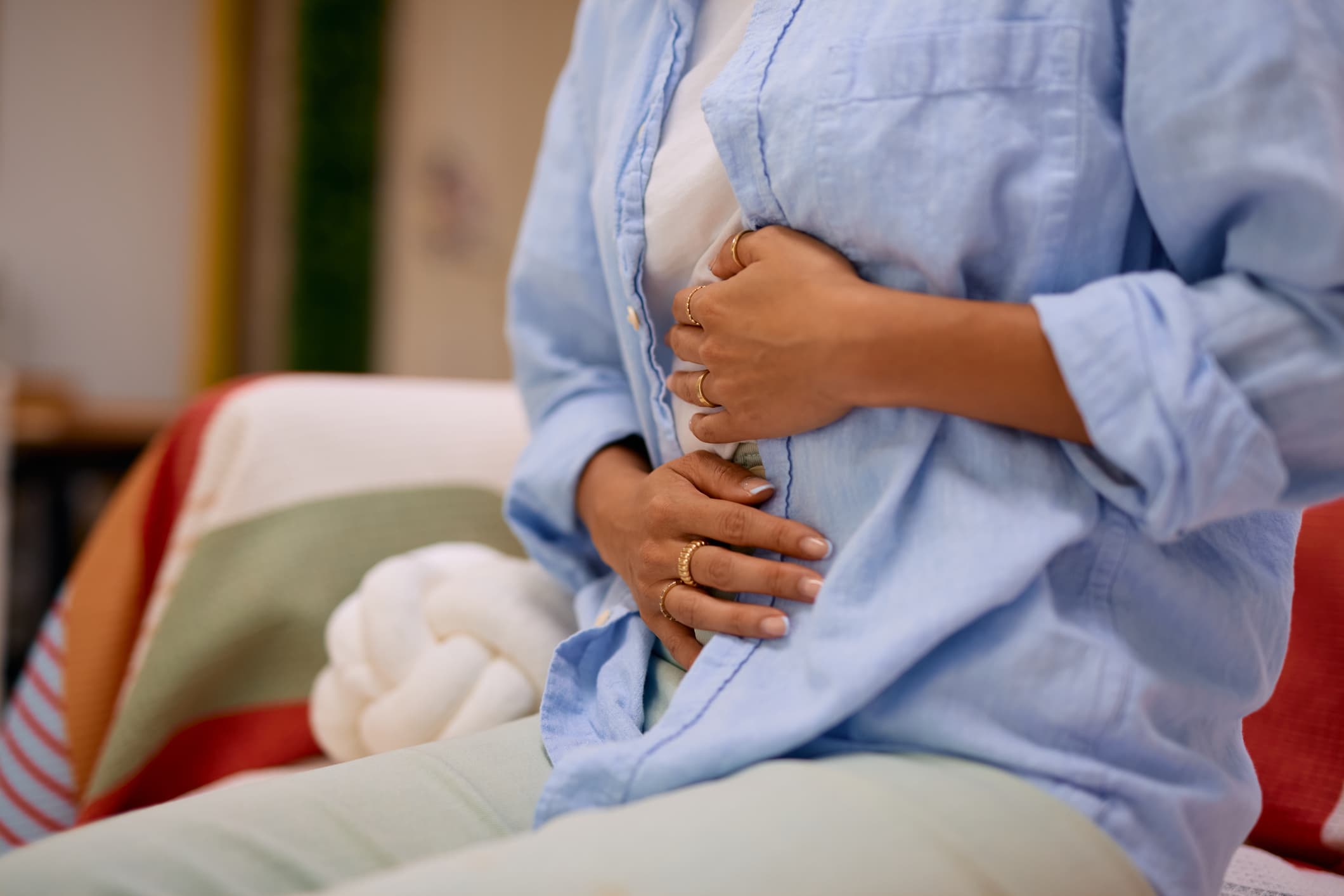
Bloating has a way of showing up uninvited and overstaying its welcome. For many individuals, PCOS and bloating are not just occasional discomfort but a frequent and frustrating part of everyday life.
That uncomfortable, heavy sensation in the stomach can make even simple daily routines feel uneasy, naturally leading to questions like: can PCOS cause bloating, and why does it feel so inconsistent?
The connection is more common than most people realise. Bloating often results from a mix of hormonal fluctuations, digestive changes, and lifestyle factors that together contribute to what is often referred to as PCOS belly bloating. In this blog, dive into the causes and simple ways to manage the condition more effectively.
Polycystic Ovary Syndrome (PCOS) has recently been renamed Polyendocrine Metabolic Ovarian Syndrome (PMOS) to better reflect the condition's complex hormonal and metabolic nature.
What is PCOS bloating?
PCOS bloating is the continuous experience of fullness, tightness or swelling of the abdominal area that is associated with hormonal imbalance. This form is not always predictable by specific foods, and unlike occasional bloating, it might take place even in the absence of apparent dietary stimuli.
It is normally linked to the retention of fluids, reduced digestion, and alterations in the gut functionality as a result of hormonal variations. Many women also notice PCOS bloating during ovulation, when hormone levels shift more noticeably.
Higher concentrations of certain hormones and insulin regulation problems in PCOS may influence the processes of transforming food into energy and energy storage, causing the body to produce more gas and stomach pain. This mix may lead to so-called PCOS belly bloat, when the stomach appears heavy or swollen.
PCOS bloating is the continuous experience of fullness or swelling of the abdominal area associated with hormonal imbalance.
How are PCOS and bloating related?
Hormonal imbalance and metabolic alterations in the body are primarily the factors that lead to the correlation between PCOS and bloating. The elevated levels of androgens and disrupted insulin regulation in PCOS can disrupt the normal function of digestion and fluid balance.
Lack of proper regulation of insulin can also result in the body holding onto more water and storing fat in different forms, which can add to that swollen and bloated feeling that is commonly called PCOS bloating. This may also intensify inflammation, which can also impact gut functioning and cause gas and abdominal discomfort.
The hormonal changes would reduce the rate at which the digestive system moves, making the passage of food through the gut slower. This may lead to the build-up of gases and a bloated and heavy feeling.
Quick Fact
Reducing sugar intake can help improve insulin balance, which plays a central role in managing PCOS symptoms.
Ways to manage PCOS bloating
Treating PCOS bloating requires not rapid solutions but regular practices that help maintain hormonal balance and digestion.
Diet
Hormones and inflammation can be controlled by consuming a balanced diet that is based on whole, unprocessed foods. Regular meals and consuming the least processed food aid digestion and reduce PCOS bloating and discomfort in the long term.
Consume more fibre
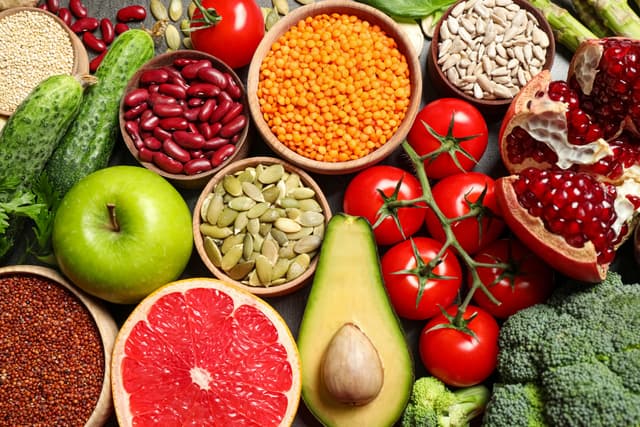
Fibre aids in improving digestion as it aids in preventing constipation and promoting regularity of bowel movements. Regular consumption of fruits, vegetables, and whole grains can help reduce gas buildup and improve symptoms associated with bloating.
Add natural probiotics to your diet
The inclusion of naturally fermented products, such as yoghurt, helps maintain the health of gut bacteria. A normal intestinal microbiome enhances digestion, lowers gas production, and is effective in treating chronic bloating associated with hormonal disorders in PCOS.
Cut down the sugar intake
Reducing sugar intake can help improve insulin balance, which plays a central role in managing PCOS symptoms. Lower sugar consumption may also reduce water retention and inflammation, both of which contribute to bloating.
Plan a sustainable lifestyle
A healthy routine that includes nutritious meals, regular physical activity, and effective stress management can help support hormonal balance. Long-term lifestyle habits are more effective than short-term changes in reducing bloating and improving overall digestive health in PCOS.
Exercise
Exercise aids in boosting metabolism, stress reduction, and hormone control. Movement can also help digestion by decreasing the amount of gas retained, which is also a good remedy for bloating and discomfort related to PCOS.
Prioritise sleep
Sleep is vital in hormone regulation and overall health. The lack of sleep may negatively affect metabolic balance, resulting in an intense feeling of bloating, whereas regular sleep patterns enable the body to perform its digestive and hormonal activities normally.
When to see a doctor
It is important to seek medical advice if bloating or related symptoms become persistent, severe, or start affecting your daily life.
- Bloating is chronic, severe, or does not improve with lifestyle changes.
- Abdominal pain interferes with daily activities or sleep.
- Bloating appears suddenly or without a clear cause.
- It is accompanied by significant weight changes or ongoing fatigue.
- Menstrual cycles become irregular or stop over time.
- Frequent gas, discomfort, or digestive irritation becomes persistent.
- Ongoing stress or hormonal imbalance affects overall well-being.
- Symptoms feel unusual or different from typical PCOS and bloating patterns.
Regular consumption of fruits, vegetables, and whole grains can help reduce gas buildup and improve bloating symptoms.
Bloating under control
If PCOS had a signature move, bloating would probably be high on the list. It's annoying, unpredictable, and always shows up at the worst time. But here is the good news: it is manageable.
The first step to take control of PCOS is to understand its ability to cause bloating. When you understand the interrelationship between hormones, digestion and lifestyle, then it becomes easier to make a decision that works.
No, it will not be a smooth sail (when is it ever), but with some good habits and a dose of patience, that PCOS belly bloat does not need to take the stage.
Frequently Asked Questions
1. How do you get rid of bloating from PCOS?
PCOS bloating can be managed by maintaining a balanced diet, regular physical activity, good sleep, and reducing sugar intake. Consistent healthy habits help improve digestion and support hormonal balance over time.
2. What does PCOS bloating feel like?
PCOS bloating typically feels like tightness, heaviness, or swelling in the abdomen. It may also include discomfort, gas, or a stretched sensation, especially during hormonal fluctuations like ovulation.
3. What is the 21-day PCOS detox?
The 21-day PCOS detox is a structured plan focused on improving diet, reducing sugar intake, and building healthy lifestyle habits. It aims to support hormonal balance and digestion, which may help reduce symptoms like bloating.
4. How do I get rid of my PCOS belly?
Reducing PCOS-related abdominal bloating involves consistent lifestyle changes such as a balanced diet, regular exercise, and stress management. These habits help improve digestion and hormonal balance, gradually reducing bloating over time.
Share Article