
 Medically Reviewed
Hormonal Health
PCOS Diet Tips: Healthy Indian Food Choices
Aug 6, 2025
•5 min read
Share Article

Hormonal ups and downs can feel like a never-ending rollercoaster, especially when dealing with polycystic ovary syndrome (PCOS). But a smart PCOS diet can be your steady anchor, helping to calm those fluctuations and support your body from within. It’s less about cutting out everything you love and more about embracing nutritious, satisfying foods that work with your hormones, not against them.
In this blog, we’ll guide you through a balanced Indian PCOS diet plan designed to promote hormonal harmony and overall well-being. With easy-to-follow tips and delicious meal ideas, you’ll discover how to nourish yourself while managing PCOS effectively.
Why does diet matter in PCOS treatment?
PCOS is closely linked with insulin resistance, which means the body struggles to use insulin effectively. This leads to elevated insulin levels, which in turn can increase androgen production (male hormones), worsening PCOS symptoms. Additionally, many women with PCOS face difficulty losing weight, which further complicates the condition.
Diet directly influences insulin levels, metabolism, inflammation, and hormone regulation. Choosing the right foods can help stabilise blood sugar, support weight loss, regulate menstrual cycles, and improve fertility. Therefore, the PCOS diet is not just a supplementary treatment; it is a fundamental part of managing the condition.
PCOS is closely linked with insulin resistance, which means the body struggles to use insulin effectively.
Key principles of a healthy PCOS diet
A balanced PCOS treatment diet focuses on whole, nutrient-dense foods that support hormonal health and reduce insulin resistance. Here are the key principles to follow:
- Low glycaemic index (GI) foods
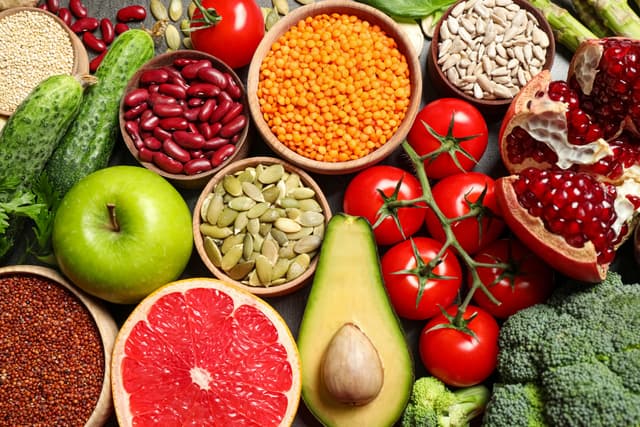
Low glycaemic index foods are those that are digested and absorbed relatively slowly, causing a gradual rise in blood sugar levels. These help regulate blood sugar levels. Choose whole grains like brown rice, quinoa, and oats over white rice and refined flour. Fruits with low glycaemic index are apples, pears, berries, cherries, oranges, and plums.
- High fibre intake
Fibre slows the absorption of sugar into the bloodstream, preventing insulin spikes. Since insulin resistance is common in PCOS, this helps manage symptoms and reduce fat storage. Vegetables, fruits, whole grains, and legumes are excellent sources.
- Lean protein sources
Protein stimulates the release of glucagon, a hormone that raises blood glucose levels and counteracts the action of insulin, helping in managing PCOS. The glucagon hormone helps in the breakdown of fats (lipolysis) and the formation of ketone bodies in the liver. Include options like paneer, dals, eggs, chicken, and tofu in your PCOS diet.
- Healthy fats
Omega-3 and monounsaturated fats help reduce inflammation. Incorporate nuts (mainly almonds and walnuts), seeds (mainly flax seeds, pumpkin seeds, sunflower seeds, and sesame seeds), olive oil, ghee, and fatty fish to effectively manage PCOS.
- Limit processed foods and sugar
These can spike insulin levels and increase inflammation. Avoid sugary drinks, sweets, white bread, and packaged snacks.
- Consistent meal timing
Eating at regular intervals (small and frequent meals) supports blood sugar stability and hormone regulation.
Fibre in food slows digestion and reduces the impact of sugar on the blood, aiding weight management.
PCOS diet sample meal plan: Making healthier food choices
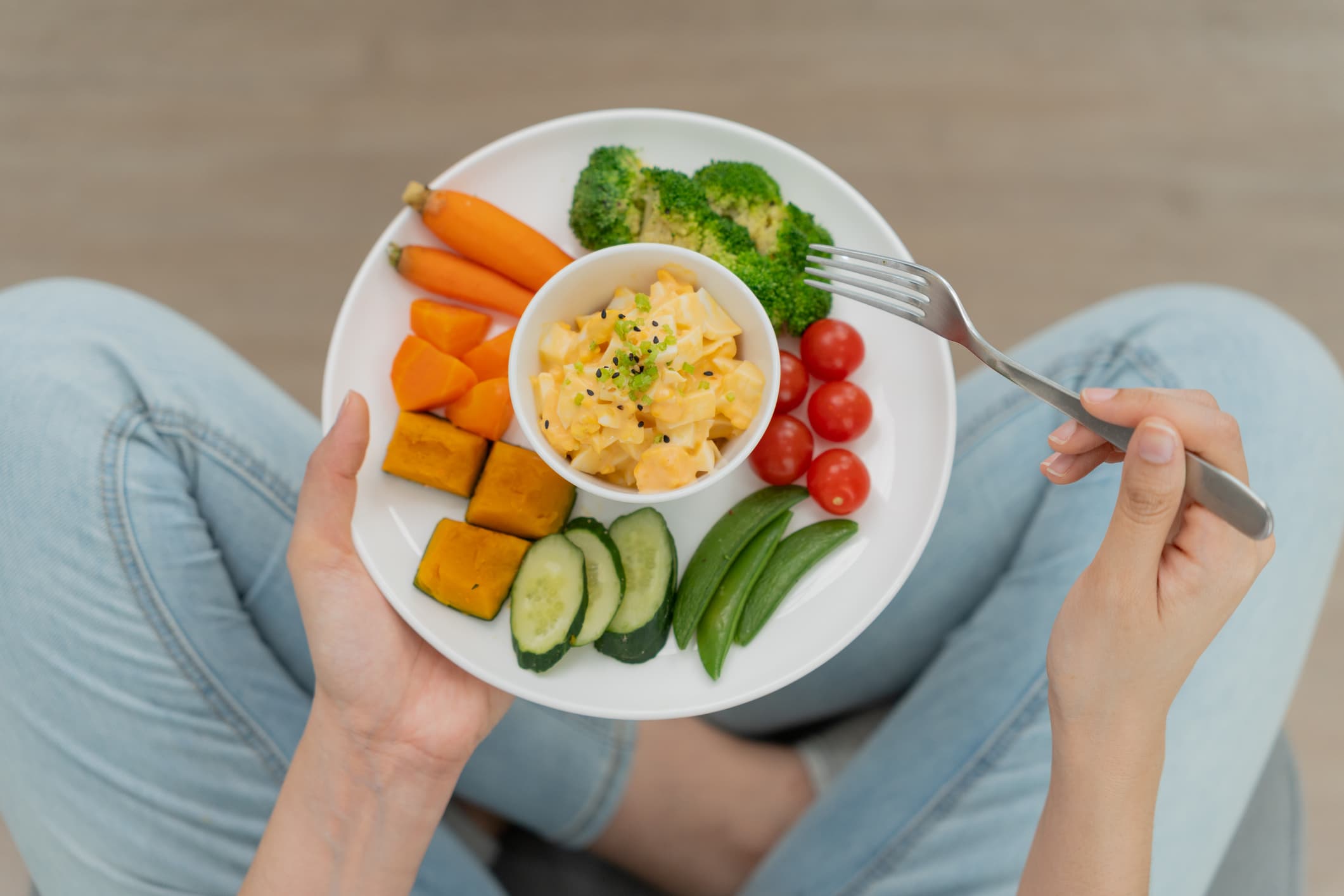
The timing of the PCOS diet plays a key role in managing the condition. While individual needs may differ, maintaining a consistent eating pattern can make a significant difference. Start your day with warm water and lemon or overnight-soaked fenugreek seeds. For breakfast, have moong dal chilla with mint chutney. A mid-morning fruit, like an apple, a pear, or a guava, makes a healthy snack. Lunch can include one multigrain roti or a small portion of brown rice, mixed vegetable sabzi, dal or chickpea curry, and a fresh salad made with cucumber, carrot, and beetroot.
In the afternoon, snack on roasted chana or a handful of makhana. For dinner, opt for quinoa or millet with stir-fried vegetables and grilled paneer or tofu for a light yet protein-rich meal.
Best foods for PCOS
Maintaining a healthy diet for PCOS can play a crucial role in managing symptoms and improving overall well-being. The following are some of the best foods that can help manage the condition.
- Cruciferous vegetables
Vegetables like broccoli and cauliflower are non-starchy and rich in fibre, helping you feel fuller for longer and supporting weight management. They’re also high in antioxidants, which reduce inflammation and protect cells from damage, making them an excellent choice for a PCOS treatment diet.
- Green leafy vegetables
Dark leafy greens such as spinach and kale are packed with fibre, helping to stabilise blood sugar levels and reduce diabetes risk. They also have anti-inflammatory properties and may support mental well-being by boosting serotonin and dopamine levels.
- Whole grains
Whole grains like quinoa, barley, and brown rice offer more fibre and nutrients than refined grains. They help manage blood sugar, reduce inflammation, and may ease PCOS symptoms due to their antioxidant content.
- Nuts
Nuts provide healthy fats, protein, and fibre, which aid in blood sugar control and appetite regulation. They’re also a good plant-based source of omega-3 fatty acids, ideal for those following vegetarian or vegan PCOS diets.
Foods to avoid in a PCOS diet
When following a PCOS treatment diet, it's just as important to know which foods to limit as it is to choose the right ones. The following are some of the foods to avoid, as they may worsen symptoms or interfere with hormone balance.
- Refined carbohydrates: Items like white rice and maida (refined flour) can spike blood sugar levels and worsen insulin resistance.
- Sugary beverages: Aerated drinks, sweetened juices, and packaged energy drinks are high in added sugars that can lead to rapid glucose spikes.
- Full-fat dairy: Some women with PCOS may benefit from limiting high-fat dairy products, which can impact hormone levels.
- Excess caffeine and alcohol: Too much caffeine and alcohol can disrupt hormone regulation and affect sleep quality. This may worsen PCOS symptoms such as anxiety, fatigue, and irregular cycles.
Some women with PCOS may benefit from limiting high-fat dairy products, which can impact hormone levels.
Recalling what we learnt
Think of your PCOS diet plan not as a restriction, but as a reset, a chance to nourish your body, balance your hormones, and feel your absolute best. With the richness of Indian cuisine, you don’t have to give up flavour to gain control over your health. From fibre-packed vegetables to healthy spices and wholesome grains, every bite can support your well-being in a truly delicious way.
With consistency, mindful choices, and a little creativity in the kitchen, managing PCOS becomes less of a challenge and more of a lifestyle shift.
Frequently Asked Questions
1. What is the importance of a PCOS diet plan?
A PCOS diet plan helps regulate insulin levels, reduce inflammation, and balance hormones. This can improve symptoms like irregular periods, weight gain, and fatigue.
2. Which Indian foods are best for hormonal balance in PCOS?
Whole grains, lentils, fresh vegetables, and spices like turmeric and cinnamon are excellent choices. These foods support blood sugar control and reduce inflammation. They also help improve insulin sensitivity, lower inflammation, and could even aid hormonal balance in PCOS.
3. How does fibre help in managing PCOS?
Fibre slows digestion, stabilising blood sugar and reducing insulin spikes. High-fibre foods like vegetables, whole grains, and legumes are key components of a PCOS diet.
Share Article