
 Medically Reviewed
Hormonal Health
PCOS Hair Thinning: Causes & Ways to Reverse It
Aug 28, 2025
•5 min read
Share Article

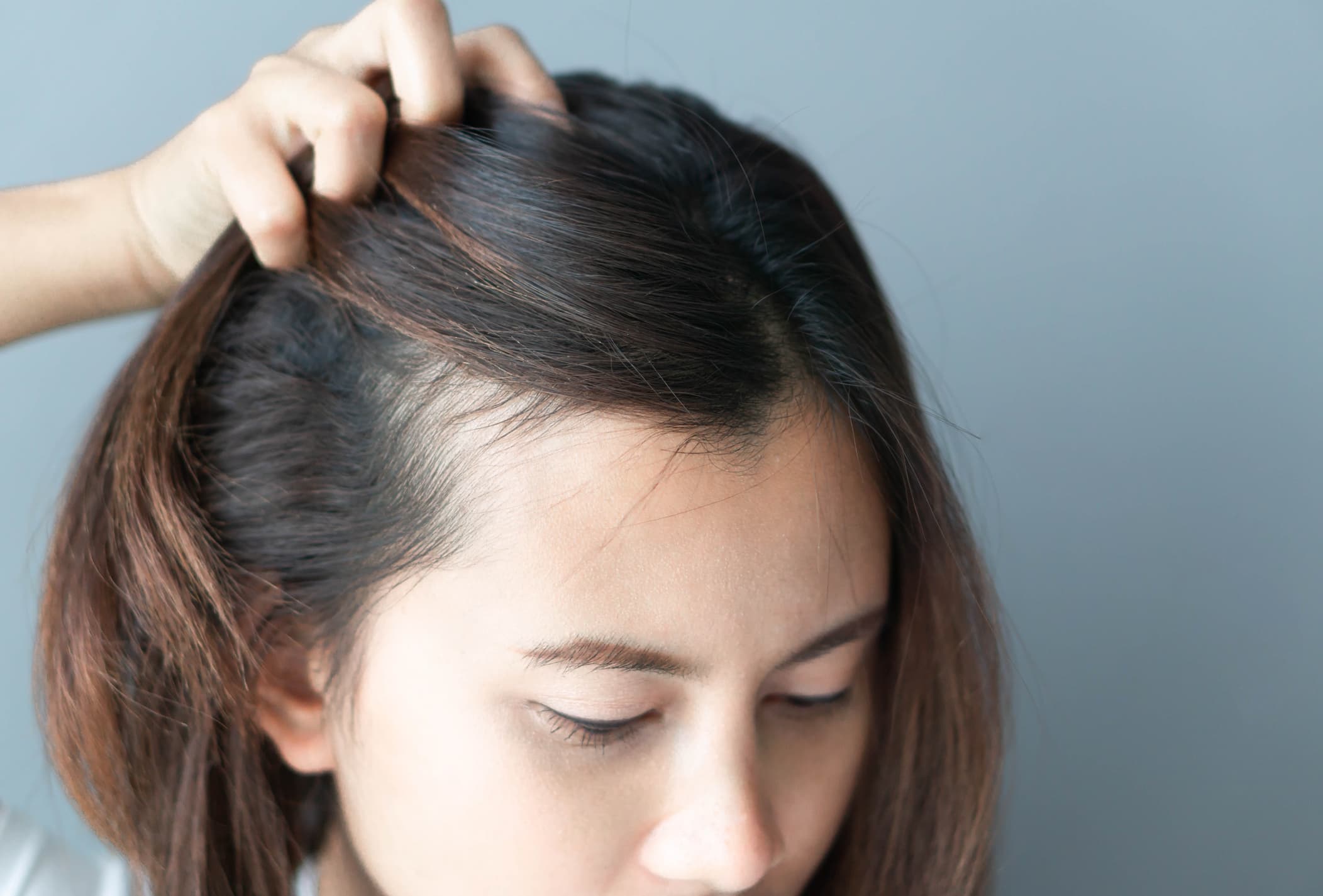
Hair thinning due to PCOS is one of the lesser-known but deeply frustrating symptoms of this hormonal condition. While most people associate PCOS with irregular periods or fertility struggles, the effects on hair health can be just as distressing. Thinning usually appears across the crown and parting, often becoming more noticeable over time. Furthermore, it's not just about appearance; it can also take a toll on one’s self-confidence and emotional well-being.
In this blog, we’ll explore the underlying causes of hair fall related to PCOS and how hormonal imbalances can impact your hair’s natural growth cycle. We’ll also share tips on how to stop hair thinning from PCOS using practical, science-based approaches that focus on long-term results. From everyday habits to supportive hair care routines, you’ll find realistic ways to manage the thinning and encourage healthier, stronger strands.
Why does PCOS cause hair thinning?
A key reason behind hair loss in women with PCOS is a hormonal imbalance, particularly raised levels of androgens (male hormones). Although all women produce androgens in small amounts, those with PCOS often have elevated levels, which can interfere with the normal hair growth cycle.
Over time, these excess androgens can cause the hair follicles on the scalp to shrink, leading to thinner, weaker strands that fall out more easily, a condition known as androgenic alopecia or female-pattern hair loss. As a result, hair thinning due to PCOS tends to happen gradually, often across the crown of the head, while paradoxically increasing hair growth in unwanted areas like the face or chest.
A key reason behind hair loss in women with PCOS is a hormonal imbalance, particularly raised levels of androgens (male hormones).
Signs & patterns of PCOS-related hair thinning
Hair thinning due to PCOS tends to follow a distinct pattern. Rather than patchy bald spots (like in alopecia areata), PCOS-related hair loss often shows up as a general thinning across the crown and top of the scalp. The hairline may remain intact, but the density of the hair decreases, making the scalp more visible, especially in bright light. Between 8% and 70% of women with PCOS who seek treatment at hair loss clinics are found to have androgenic alopecia, most commonly affecting the crown area of the scalp.
Here are some of the common signs of PCOS-related hair thinning:
- A widening part line
- Noticeable scalp through the hair
- More hairfall during brushing or washing
- Slower regrowth after hair shedding
- Thinner ponytails or braids
Is PCOS hair thinning reversible?
The honest answer to your question is: yes, it is reversible, but not always. The likelihood of reversing hair thinning caused by PCOS largely depends on how early the issue is spotted and how effectively the hormonal imbalance is brought under control. For many women, improving insulin sensitivity, balancing hormones, and making consistent lifestyle adjustments can lead to stronger, healthier hair over time. That said, if the hair follicles have become too damaged or significantly reduced in size, regrowth may be limited. This is why acting early makes a real difference when it comes to managing hair thinning caused by PCOS.
The likelihood of reversing hair thinning caused by PCOS largely depends on how early the issue is spotted and how effectively the hormonal imbalance is brought under control.
Ways to stop hair thinning from PCOS naturally
Hair thinning linked to PCOS can feel frustrating and disheartening, but there are ways to help manage it. Here are some natural methods to help stop or slow down PCOS hair thinning:
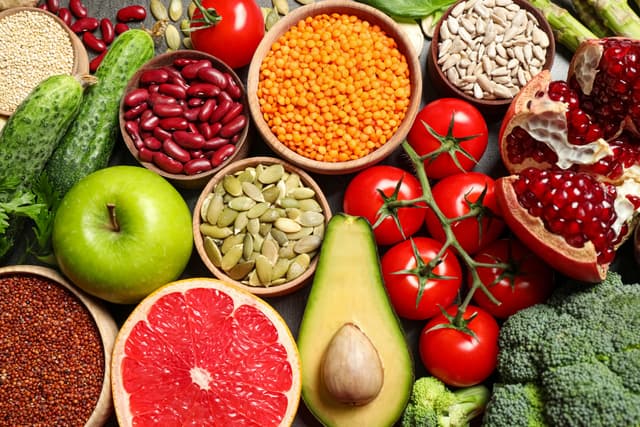
- Focus on a balanced, anti-inflammatory diet: Eating whole foods rich in nutrients can help manage insulin resistance and reduce androgen levels. Prioritise including vegetables, fruits, whole grains, healthy fats, and lean proteins.
- Stabilise blood sugar levels: PCOS is closely linked to insulin resistance, which can worsen hormonal imbalances. Eating regular meals, combining protein with complex carbohydrates, and avoiding high-sugar snacks can help keep blood sugar stable.
- Reduce stress levels: Chronic stress can trigger hormonal imbalances that worsen hair thinning. Incorporate relaxation techniques such as yoga, deep breathing, mindfulness, or simply spending more time in nature to help manage daily stress.
- Get regular physical activity: Gentle exercise like walking, swimming, or cycling can help regulate hormones and improve circulation, which supports hair health.
- Sleep well and consistently: Poor or inconsistent sleep can disrupt hormone production. Aim for 7-9 hours of quality sleep each night to support hormonal balance and overall well-being.
- Be gentle with your hair: Avoid tight hairstyles, excessive heat styling, and harsh brushing. Letting your hair rest and treating it gently can prevent further damage and breakage.
Gently massaging your scalp using natural oils like rosemary, coconut, or castor oil can promote circulation and support healthier hair growth.
Hair care tips for PCOS-related thinning
If you’re looking into how to stop hair thinning from PCOS naturally, it’s important to focus not only on internal balance but also on gentle, consistent external care. Establishing a mindful hair care routine can help protect delicate strands, reduce further breakage, and create a healthier environment for hair growth over time.
Here are some practical tips to support hair health naturally:
- Be gentle when detangling: Always use a wide-tooth comb, especially on damp hair, which is more vulnerable to breakage. Start from the ends and work your way up slowly to avoid pulling or snapping strands.
- Minimise heat styling and chemical treatments: Frequent use of straighteners, curling tools, and harsh dyes can damage the hair shaft. Try to limit their use and opt for natural drying of hair or low-heat settings whenever possible.
- Choose gentle, sulphate-free shampoos: Harsh shampoos can strip the scalp of its natural oils and cause dryness or irritation. Mild, sulphate-free options help maintain scalp health and moisture balance.
- Incorporate regular scalp massage: Gently massaging your scalp using natural oils like rosemary, coconut, or castor oil can promote circulation and support healthier hair growth.
- Avoid tight hairstyles: Styles that put tension on the scalp, such as tight ponytails, buns, or braids, can contribute to traction alopecia (a form of hair loss caused by prolonged pulling of the hair) and worsen thinning over time. Looser, low-tension styles are a better choice.
The final word
Hair loss can feel like one of the more disheartening symptoms of PCOS, like your body is sending signals you don’t quite understand. But once you begin to decode what’s really happening beneath the surface, it becomes easier to take meaningful steps forward. Hair thinning due to PCOS doesn’t have to be permanent. With the right combination of hormonal balance, self-care, and patience, many women see genuine improvement. While the results might not be instant, each small change brings you closer to healthier, fuller hair, and a stronger sense of confidence to match.
Frequently Asked Questions
1. What causes hair thinning in PCOS?
Hair thinning in PCOS is mainly caused by an excess of androgens (male hormones) that shrink hair follicles, leading to female-pattern hair loss.
2. Can lifestyle changes improve PCOS-related hair thinning?
Yes. Balanced nutrition, stress management, regular exercise, and gentle hair care can support hormonal balance and reduce hair loss.
3. Does diet affect hair thinning due to PCOS?
Absolutely. Eating low-glycaemic, nutrient-rich foods can help manage insulin resistance and hormone levels, which in turn may improve hair health.
Share Article