
 Clinically Reviewed
Hormonal Health
PCOS & Weight Gain: What You Need to Know
Aug 28, 2025
•4 min read
Share Article

Polycystic ovary syndrome (PCOS) is a complex hormonal condition that affects many women, often making everyday health challenges feel even more overwhelming. One of the most common and frustrating symptoms linked to the condition is sudden weight gain. The relationship between the two is not just a matter of diet and exercise but is also deeply rooted in hormonal imbalances that can affect metabolism, appetite, and fat storage. Understanding this link is essential for anyone trying to manage their weight while navigating the ups and downs of PCOS.
In this blog, we’ll explore why PCOS causes weight gain. We’ll look at the role of internal factors like hormones and insulin resistance that contribute to this stubborn weight gain, and how understanding these can help you take a gentler, more effective approach to managing it.
Does PCOS cause weight gain?
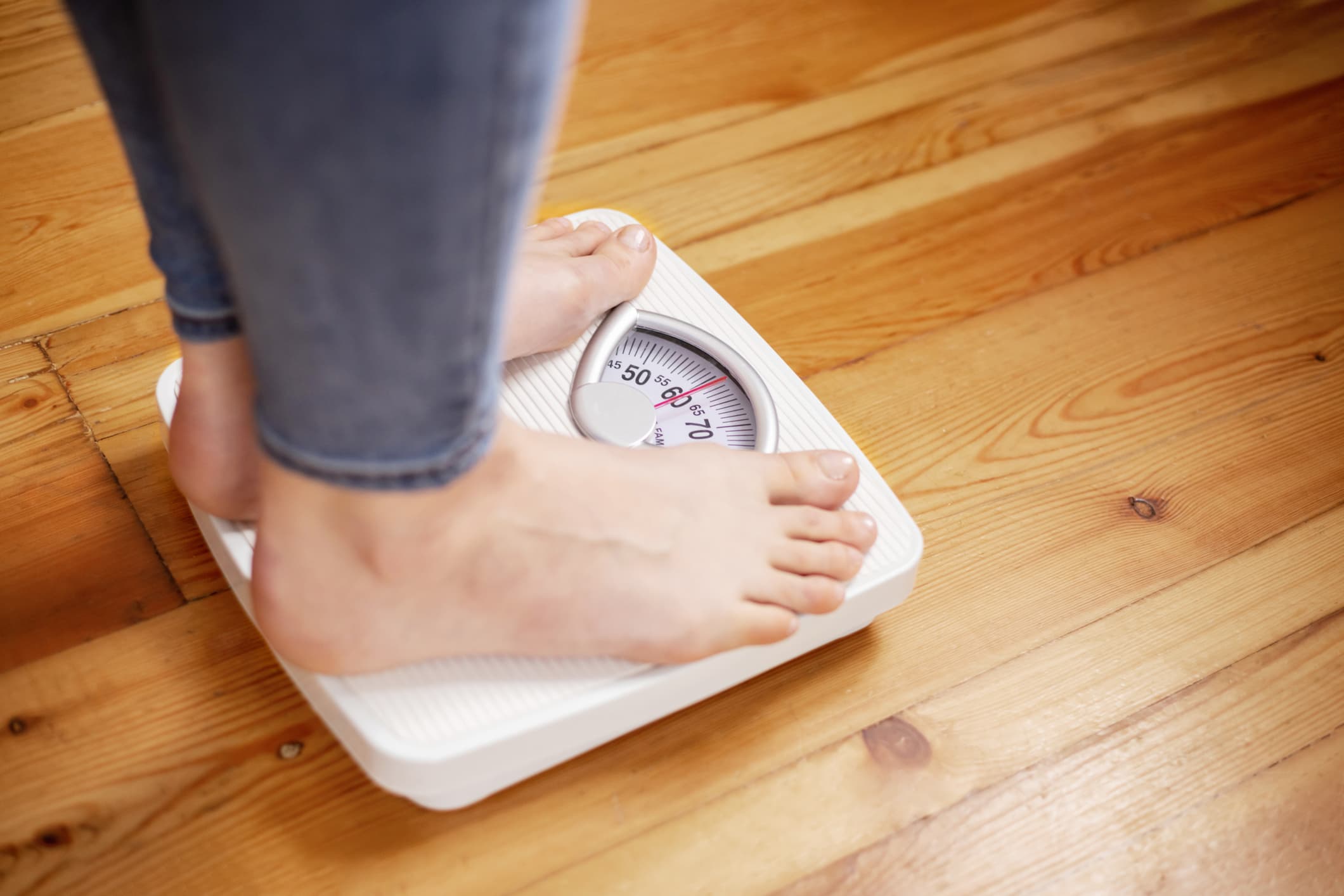
Yes, PCOS and weight gain often go hand in hand. Many women with PCOS find they put on weight more easily than others, especially around the abdomen. What’s particularly frustrating is that this weight gain can be resistant to typical methods like calorie-cutting or regular exercise.
However, it’s worth noting that PCOS weight gain doesn’t affect everyone in the same way. Some women maintain a normal weight but still experience the hormonal and metabolic imbalances that come with PCOS.
Why does PCOS cause weight gain?
Several key factors are the main causes of weight gain in PCOS. Understanding these causes can help in managing symptoms more effectively.
Prominent reasons include:
- Insulin resistance: The body’s cells don’t respond properly to insulin, causing the pancreas to produce more insulin to compensate. This can, in turn, promote fat storage and increase hunger, which together lead to weight gain.
- Hormonal imbalance: Elevated androgens (male hormones) disrupt metabolism, appetite control, and fat storage patterns.
- Chronic inflammation: Common in PCOS, inflammation worsens metabolic function and can contribute to weight gain.
Higher insulin levels trigger increased hunger and signal the body to store more fat, especially around the abdomen.
Symptoms of weight gain due to PCOS
Symptoms of weight gain due to PCOS often develop slowly and tend to concentrate around the abdomen, creating a distinct pattern of fat distribution. But weight isn’t the only clue. Look out for these related signs:
- Increased belly fat that doesn’t respond well to diet and exercise
- Cravings for sugar or carbohydrates, often intense or frequent
- Fatigue, particularly after eating
- Irregular periods, acne, or excessive hair growth (hirsutism)
- Mood swings or low mood, often linked to hormonal fluctuations
How PCOS weight gain affects your health
PCOS and weight gain are closely linked, and the effects go far beyond appearance or how clothes fit; they can have significant effects on overall health. Excess fat around the abdomen is particularly concerning, as it's highly associated with a higher risk of type 2 diabetes, heart disease, and high blood pressure.
Insulin resistance, a key factor in PCOS, not only makes weight gain more likely but also elevates blood sugar levels, increasing the risk of developing prediabetes or type 2 diabetes if not properly managed.
The hormonal imbalances behind PCOS can become more severe with added weight, making symptoms harder to control. Many women also face emotional struggles, such as low confidence, anxiety, and depression, highlighting the deep physical and psychological impact of PCOS.
Lack of sleep affects hunger hormones and blood sugar control, leading to increased cravings and weight gain.
Tips to manage and reverse PCOS-related weight gain
Does PCOS really cause weight gain? For many women, the answer is yes and managing it can be a real challenge. However, with the right strategies, it’s possible to take control of your health and even reverse the effects over time. Here are some practical tips to support your journey:
- Focus on balanced, nourishing meals
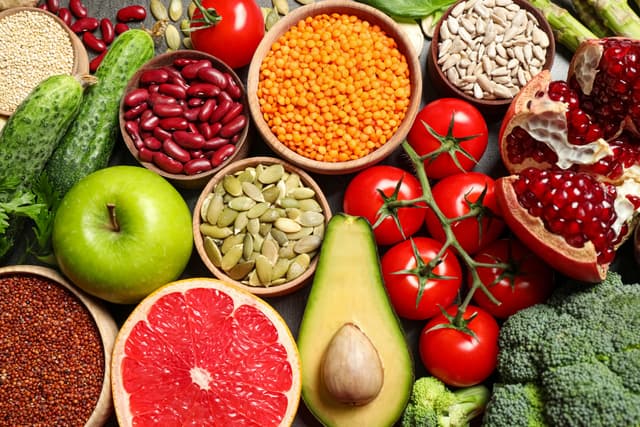
Prioritise whole, unprocessed foods rich in fibre, lean proteins, and healthy fats. This helps stabilise blood sugar levels, reduce cravings, and support hormone regulation.
- Move your body regularly
Regular physical activity improves insulin sensitivity, supports fat loss, and boosts mood. Whether it’s brisk walking, swimming, dancing, or strength training, find something you enjoy and stay consistent.
- Reduce daily stress levels
High stress triggers the release of cortisol, which can increase abdominal fat and worsen insulin resistance. Calming activities like meditation, yoga, journalling, or spending time in nature can make a big difference.
- Prioritise quality sleep
Lack of sleep affects hunger hormones and blood sugar control, leading to increased cravings and weight gain. Aim for 7-8 hours of restful sleep each night to support hormonal balance and energy levels.
- Cultivate a positive mindset
PCOS is often a lifelong condition, but managing weight doesn’t have to feel self-defeating. Celebrate small wins, stay consistent, and show yourself compassion; mental well-being is just as important as physical health.
Calming activities like yoga, meditation, journalling, or spending time in nature can significantly ease stress and support weight management in PCOS.
Crack the code on PCOS weight
The effects of PCOS on your body can feel frustrating, confusing, and at times, downright unfair. But here’s the truth: once you understand the cause of weight gain in PCOS, you can start to untangle the mess it leaves behind.
With a balanced lifestyle, proper support, and a little patience, managing your weight and PCOS symptoms becomes far more achievable.
Frequently Asked Questions
1. Does PCOS really cause weight gain?
Yes, PCOS often leads to weight gain due to hormonal imbalances and insulin resistance, especially around the abdomen.
2. Why is losing weight so difficult with PCOS?
Insulin resistance and disrupted hormones slow metabolism and increase fat storage, making weight loss more challenging.
3. Is diet alone enough to manage PCOS weight gain?
While diet is crucial, combining it with exercise, stress management, and quality sleep yields the best results.
Share Article