
 Clinically Reviewed
Hormonal Health
Can A Diabetic Donate Blood
Jun 9, 2026
•6 min read
Share Article

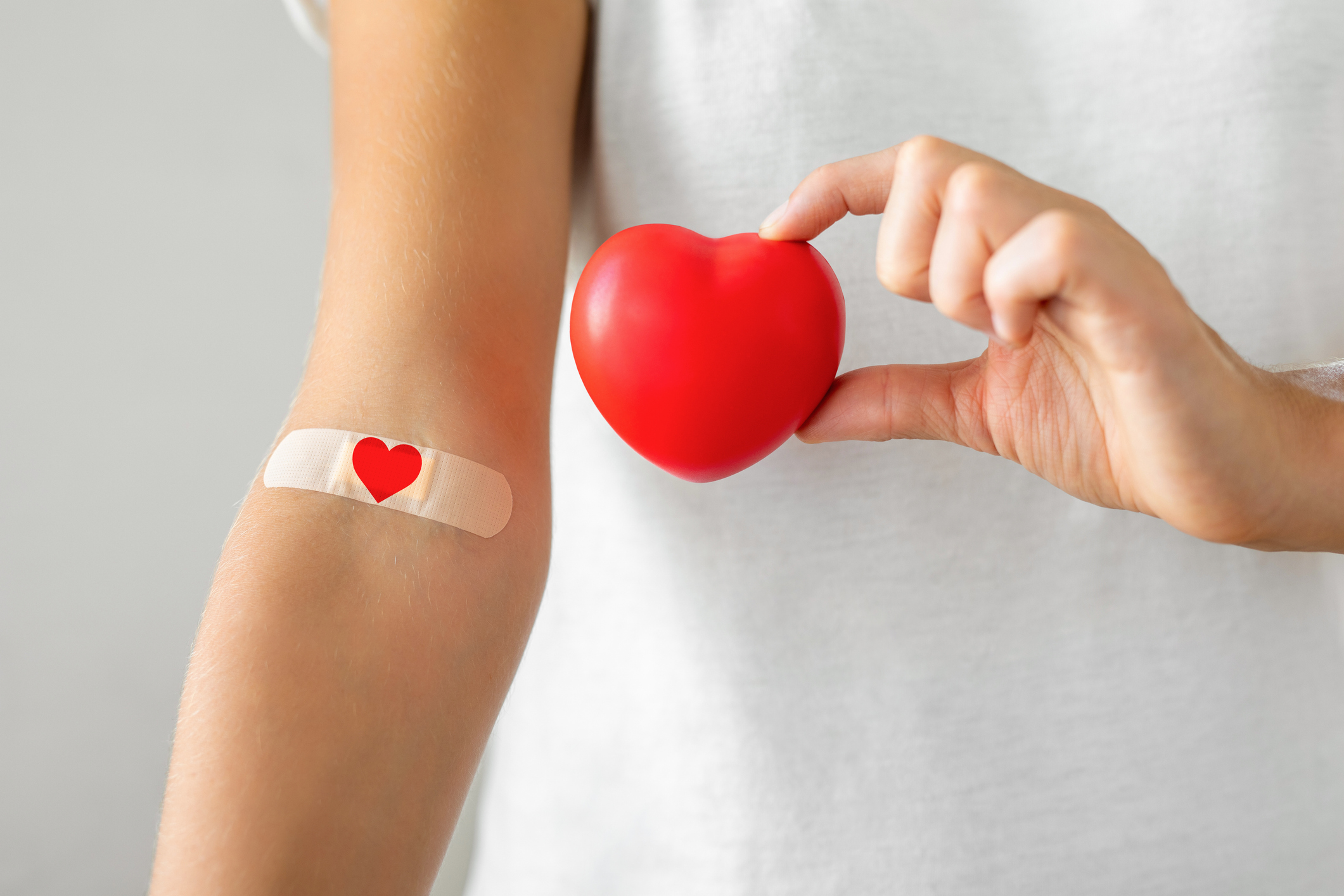
Blood donation is one of the simplest forms of selfless service, as a single pint of blood can save up to three lives. It's powerful and meaningful, with huge real-world implications. So, while living with diabetes doesn't define you and shouldn't limit your capacity to do good, donating blood as a diabetic can raise concerns. First among these would be whether it's even safe to donate blood. Are there any added precautions that you need to take, and are there restrictions on blood donation? You'll find everything you need to know, right here, so that you can make an informed decision before you take the next step.
Is it safe to donate blood as a blood sugar patient?
Blood donation is generally regarded as safe for people with diabetes, so long as the condition is well managed through diet and lifestyle therapy, as well as medication, if necessary. Eligibility to donate may depend on the type of medication being used, so discuss these concerns with your doctor.
As per recommendations in India, people with diabetes can donate blood safely if their blood sugar levels are under control with diet and/or medication. Patients who are dependent on insulin, however, should not donate blood. Additionally, patients should not have any history of orthostatic hypotension, neuropathy, vascular disease, or other diabetes complications. Depending on individual cases, some patients may also need to wait for a month to donate blood if they have had a recent change in diabetes medication.
These guidelines exist because blood donation can affect haemoglobin A1c (HbA1c) levels, with the effects lasting for up to three months. This also makes it best for diabetic blood donors to wait for four months before donating blood again.
Did You Know?
As per recommendations in India, people with diabetes can donate blood safely if their blood sugar levels are under control.
What to expect during the donation process?
There is no real difference in the process of blood donation for people with or without diabetes. However, not all facilities may be equipped to monitor and treat blood sugar fluctuations, so make it a point to carry your monitoring device and medications as recommended by your doctor.
Health screening
Typically, before you can donate blood, you will need to submit identity proof and fill out forms providing information on your medical history. Staff at the clinic may also ask questions about your physical health, pre-existing conditions, allergies, infections, and recent travel. The screening process also includes checks of vital health indicators such as your blood pressure, pulse rate, haemoglobin levels, and body temperature. If everything is in order and there are no concerns, the blood donation can proceed.
Even if the screening process does not include such questionnaires and interviews, it's important to inform staff about your diabetes and the medications that you take to treat it or other comorbidities like hypertension.
Blood donation
The actual procedure for blood donation is short and lasts just about 10 minutes, but the screening and waiting time can extend to an hour. When it's time to donate blood, you will be seated in a comfortable chair or asked to lie down, and the attendant or nurse will clean and sanitise your arm before inserting a sterile needle into a visible vein to draw the blood. This should be relatively painless, at most causing a stinging or pinching sensation briefly.
Once the blood is collected and the needle withdrawn, the attendant will apply a small bandage or cotton swab to the site, advising you to maintain pressure on it for at least half an hour. People with diabetes should be more cautious about these instructions, also avoiding the use of the arm for heavy lifting or pushing after blood donation.
How to prepare for donating blood?
Before you donate blood, it's important to follow guidance to ensure your safety, especially if you have diabetes. While most of the recommendations apply to all donors, some are specifically meant for donors with diabetes.
- Ensure adequate hydration with increased water intake for a few days leading up to the donation.
- Eat balanced, healthy meals, making sure to include more iron-rich foods in your diet. Ask your doctor if you need to take any supplements.
- Monitor your blood sugar levels both before and after donating blood, while making it a point to carry any medications that you could need to control your blood sugar.
- Get adequate sleep and keep a check on stress levels, especially in the days leading up to the donation.
- Make sure that your schedule for the day leaves enough time to rest and recuperate after donating blood.
Quick Fact
The actual procedure for blood donation is short and lasts just about 10 minutes, but the screening and waiting time can extend to an hour.
What to expect after donating blood?
After donating blood, you may feel a little lightheaded or fatigued for some time, but if this persists for more than an hour, talk to your doctor. Donors are also advised to rest for at least 15 minutes after the procedure, and many clinics also provide snacks or beverages. When you have diabetes, it is best to carry your own snacks so that you have better control over what you're consuming.
It is also advisable to follow the same guidance provided to you in preparation for blood donation after donating blood. This means getting adequate rest, avoiding overexertion and strenuous activities, maintaining adequate hydration, and increasing your intake of nutrition-dense foods, especially those rich in iron and minerals. Most importantly, keep monitoring your blood sugar levels and report any concerns to your doctor as soon as possible.
Keep in mind that while your body's blood volume returns to normal in a matter of days, it takes as much as three months for red blood cell numbers to return to normal. This will affect your HbA1c levels, so inform your doctor about it before and after testing. This is important to ensure that the results are not misinterpreted.
Quick Tip
Ensure adequate hydration with increased water intake for a few days leading up to the donation.
A safe approach to donating blood
Donating blood is one of the most selfless acts you can perform. While this can be its own reward, some evidence suggests that it may also boost metabolic health by lowering iron stores and increasing insulin sensitivity. These benefits do not mean that there are no risks at all, so although regarded as safe, make sure to talk to your doctor before donating blood.
Frequently asked questions
1. Why can't diabetics donate blood?
The idea that diabetics can't donate blood is a misconception. Most people with diabetes can donate blood safely, provided their diabetes is well-managed, not using insulin, and don't have specific diabetes-related complications.
2. Can a diabetic person donate blood in India?
Yes, if their blood sugar is under control with diet or medication. However, they should not be insulin-dependent and should not have complications such as neuropathy or vascular disease.
3. Who should not donate blood?
People who are dependent on insulin and those with a history of orthostatic hypotension, neuropathy, vascular disease, or other diabetes complications should not donate blood.
4. Can donating blood affect blood sugar?
Blood donation can affect HbA1c levels for up to three months, so monitoring blood sugar before and after donation is important.
Share Article