

 Clinically Reviewed
Parenthood
Screen Time Effects on Babies: What Parents Should Know
Mar 3, 2026
•6 min read
Share Article

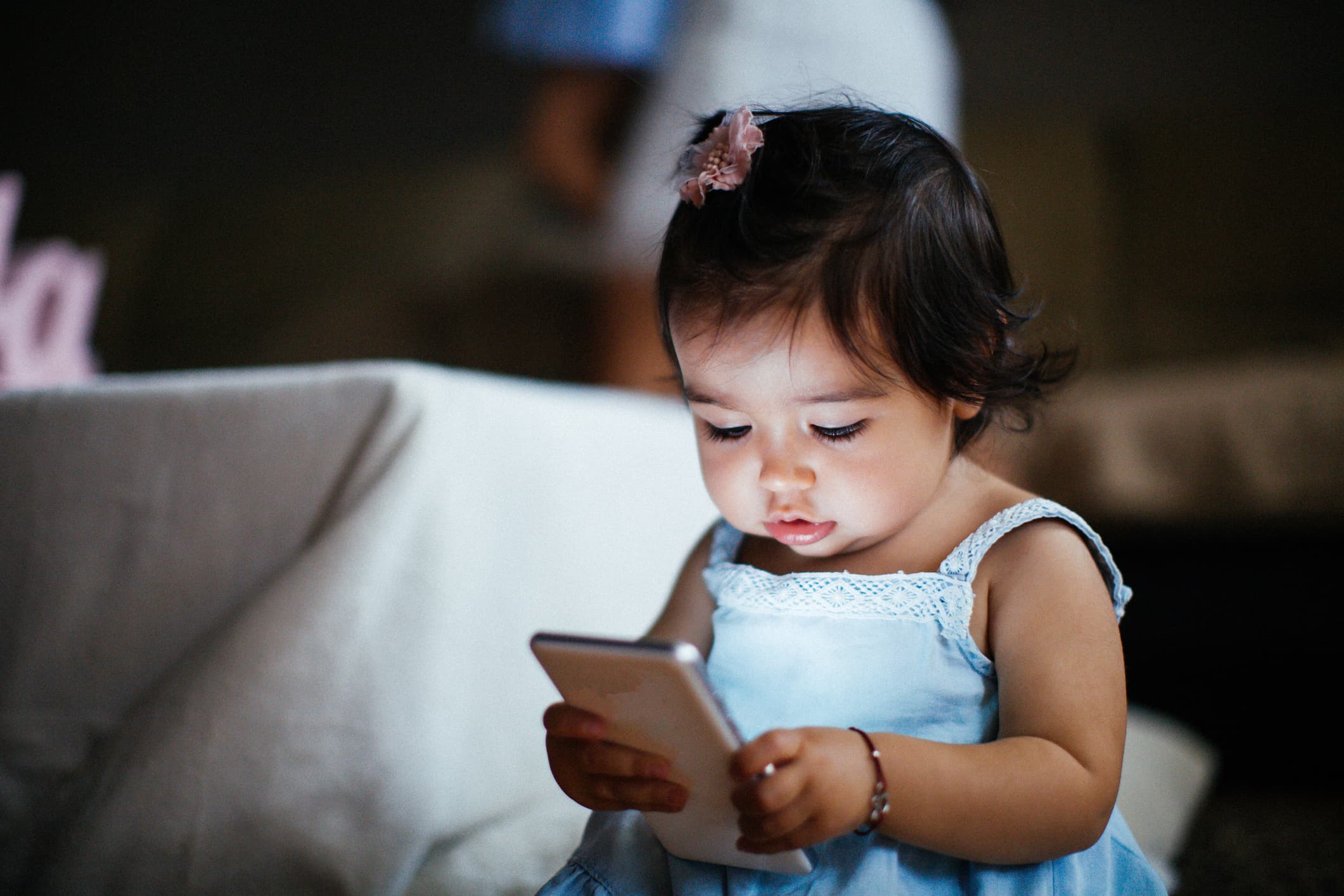
Your little one stares wide-eyed at the flickering mobile screen, giggling at colourful shapes and sounds. It’s hard not to smile, and even harder not to hand them the device again. But parents should know that screen time for infants isn’t just harmless entertainment; it can quietly influence their growth and daily routines.
Understanding the effect of screen time on infants is essential for every parent. From disrupted sleep patterns and shortened attention spans to reduced interaction with parents and the environment, the implications are worth understanding. Dive into this blog for expert-backed guidelines, practical tips, and alternatives that encourage learning and play in kids, all without leaning too heavily on screens.
Understanding screen time and infant development
Screen time refers to the amount of time a child spends interacting with digital devices, including TVs, tablets, smartphones, and computers. The effect of screen time on infants has become an important area of study as digital devices become more common in daily life. Research suggests that even modest exposure during the first two years of life is linked with differences in cognitive and language development, for example, one long-term study found that babies who spent more time in front of screens during their first six months tended to have lower thinking and language skills by the time they were 14 months old.
Infancy is a period of rapid brain growth, with neural connections forming in response to real-world experiences like touch, sound, and social interaction. These rich sensory interactions are essential for healthy development, and screen exposure cannot replicate their complexity. Developmental experts emphasise that babies learn best through hands-on play and engagement with caregivers rather than passive viewing. Health guidelines therefore strongly discourage newborn screen time for children under two, noting that screens can displace activities that are crucial for language acquisition, attention skills, and social bonding.
Babies who spend more time in front of screens during their first six months tend to have lower thinking and language skills and shorter attention span.
Risks of excessive screen time in babies
Screens may seem entertaining, but too much exposure during infancy can quietly interfere with how babies grow, learn, and interact with the world around them. Research in infants and toddlers suggests that higher touchscreen and screen use is associated with shorter overall sleep, later bedtimes, and more frequent night-time awakenings, highlighting the potential impact of screens on early sleep development.
- Delayed language development:
Babies learn communication through real conversations, facial expressions, and sounds. Excessive screen time for infants can limit these vital interactions and slow early language skills. - Attention and learning difficulties:
Fast-moving visuals may make it harder for babies to focus on real-life activities that support attention and cognitive development. - Sleep disruption:
Exposure to bright screens can interfere with natural sleep patterns, especially when screen time for newborns occurs close to bedtime. - Reduced physical movement:
Screen use may replace tummy time, crawling, and play, which are essential for motor skill development. This also increases the risks of childhood obesity in the future. - Social and emotional impact:
Infants develop emotional understanding through face-to-face interaction, which can be reduced with frequent screen exposure. - Difficult in feeding:
Due to the loss of the normal circadian cycles, timely feeding becomes difficult.
Screen time guidelines by age
With screens everywhere, it’s important to know what’s appropriate for your little one at each stage. Understanding the effect of screen time on infants can help you make informed choices that support healthy development.
Recommended guidelines
- Newborns (0–6 months):
Avoid screens entirely. Interaction through touch, speech, and eye contact is far more beneficial than any screen exposure. Remember, screen time for newborns should be minimal to none. - Infants (6–12 months):
Limit to very brief video calls with family only. Passive watching of videos is not recommended. - Toddlers (1–2 years):
Up to 30 minutes of high-quality, parent-guided content per day is acceptable. Co-viewing is important to help them understand what they see. - Preschoolers (2–5 years):
Limit recreational screen time to 1 hour per day of educational or interactive content. Encourage plenty of active play and social interaction.
The more we replace screentime with indoor and outdoor games and physical activities, the higher cognitive stimulation happens.
Alternatives to screen time for healthy development
Who needs a screen when the world itself is full of wonder? From everyday moments to simple play, there are plenty of ways to support healthy development without relying on digital devices, especially when limiting newborn screen time.
- Hands-on play:
Sensory toys such as soft blocks, rattles, and textured objects encourage movement, coordination, and exploration. - Shared reading:
Looking at books together, even with very young babies, supports early language skills and strengthens emotional connection. - Fresh-air experiences:
Supervised time outdoors introduces babies to new sounds, sights, and sensations that stimulate sensory development. - Music and movement:
Singing, clapping, and gentle movement activities boost cognitive growth while enhancing rhythm and coordination. - Daily interaction:
Talking through routines, responding to expressions, and maintaining eye contact enrich learning far more than screens, highlighting why experts caution against excessive screen time for newborns.
Fast-moving visuals may make it harder for babies to focus on real-life activities that support attention and cognitive development. This can cause poor school performances, hyperactivity and disruptive behaviour.
Signs your baby is spending too much time on screens
When screens start replacing playtime and cuddles, your baby may try to tell you in subtle ways. Recognising early warning signs of excessive screen time for infants can help you reset habits before they affect development.
- Reduced interest in people: Babies may make less eye contact, smile less, or show limited engagement during face-to-face interaction.
- Delayed communication cues: Fewer babbles, gestures, or attempts to imitate sounds can signal reduced language stimulation.
- Short attention span: Difficulty focusing on toys or activities without constant stimulation may indicate overexposure to screens.
- Sleep changes: Trouble settling, frequent night waking, or irregular naps can occur, particularly when screen time for newborns is part of the daily routine.
- Increased fussiness: Babies may become irritable or restless when screens are removed, suggesting reliance on digital stimulation.
- Less physical movement: Reduced tummy time, rolling, or crawling can point to too much time spent sitting and watching rather than moving and exploring.
Looking at books together, even with very young babies, supports early language skills and strengthens emotional connection.
Summary and key takeaways
It’s tempting to think that a few minutes of cartoon time is harmless, and sometimes, it really is a lifesaver for busy parents. But screen time for infants should be approached with care. Too much screen time can affect sleep, attention, and early development, while thoughtful limits and engaging alternatives can support healthy growth. By choosing mindful routines and interactive play over passive screen use, you can help your little one thrive, all while making parenting a little easier and a lot more rewarding.
Frequently Asked Questions
1. What is the effect of screen time on infants?
Excessive screen exposure can affect sleep, attention, and language development. Even short daily use should be monitored carefully to avoid long-term impacts.
2. Are all screens equally harmful?
Not all screens are the same. Passive watching, such as cartoons, has more negative effects, while video calls with relatives can be beneficial if limited and interactive. Mobile phone usage and social media access are a big no at this age.
3. What are healthy alternatives to screen time for infants?
Simple activities like tummy time, stacking toys, peek-a-boo, and reading aloud encourage cognitive, language, and social development while keeping your baby engaged and happy.
Share Article