

 Medically Reviewed
Skin & Hair Health
Hair Follicles Acting Up? Here’s All About Folliculitis
Are you irritated by red, itchy bumps that won’t quit? It could be folliculitis — an inflammation of hair follicles. Discover its causes, symptoms, and the best ways to prevent it.
Mar 30, 2026
•6 min read
Share Article


Hair Follicles Acting Up? Here’s All About Folliculitis
The skin is a delicate ecosystem, and even small disruptions can lead to issues like folliculitis. But what exactly is folliculitis? It’s one of the most common yet least understood skin conditions, causing harmless hair follicles to become inflamed — often in painful areas. Folliculitis can affect anyone, from athletes to everyday individuals, turning routine skin concerns into frustrating dermatological challenges. Understanding this condition is key to managing it effectively and maintaining healthy skin.
What is folliculitis?
Folliculitis is the inflammation of hair follicles, the tiny structures responsible for hair growth. More than just skin irritation, it results from various internal and external factors, appearing as red, often painful bumps.
It ranges from mild to severe, with superficial cases affecting only the upper follicle, while deeper infections can cause stronger inflammation and scarring. Some cases resolve quickly, while others become chronic or recurrent.
Bacteria, fungi, and viruses can all trigger folliculitis, making it a complex condition. Common types include bacterial folliculitis, hot tub folliculitis, and razor bumps, each with distinct causes.
Folliculitis is the inflammation of hair follicles, the tiny structures responsible for hair growth.
Why does folliculitis occur?
Folliculitis arises from a complex mix of factors that weaken hair follicles, leading to inflammation. Key causes include:
- Bacterial infections – Staphylococcus aureus is a common culprit.
- High moisture environments – Hot tubs, swimming pools, and sweaty clothing create ideal conditions for microbial growth.
- Friction and irritation – Tight clothing, frequent shaving, or waxing can damage hair follicles.
- Weakened immune system – Conditions like diabetes or immunosuppressive disorders increase vulnerability.
- Hormonal imbalances – Changes in hormone levels can trigger follicular inflammation.
- Genetic predisposition – Some individuals are naturally more prone to folliculitis.
- Medications – Certain drugs, including corticosteroids and antibiotics, can disrupt skin balance.
These factors make folliculitis a complex dermatological condition with multiple triggers.
Folliculitis can strike almost anyone. It impacts nearly 10-20% of the population.
Symptoms and signs of folliculitis
Folliculitis presents with distinct visual and physical signs, including:
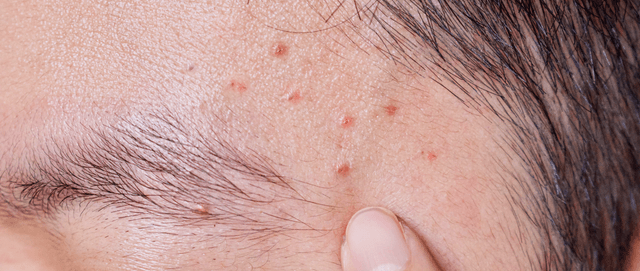
- Small, red, itchy bumps – Often prickly and clustered around hair follicles.
- Pustules or painful lumps – Bumps may fill with pus and become tender.
- Common areas affected – Bearded regions, legs, buttocks, and arms are most susceptible.
- Burning and redness – The skin may feel irritated or inflamed.
- Pain levels vary – Some experience mild discomfort, while others face severe pain.
- Severe complications – Recurrent infections can lead to permanent hair loss and skin discolouration.
Types of folliculitis: How it can present itself
Folliculitis is a complex dermatosis that has many variants, and every variant has its own characteristics and challenges, so this complexity will provide a proper understanding for diagnosis and treatment. Here are the folliculitis types:
1. Bacterial folliculitis
This is the most common type of folliculitis, typically caused by the bacteria Staphylococcus aureus. It appears as small, itchy red bumps or pus-filled whiteheads around hair follicles. While it can occur anywhere on the body, it is most common in areas exposed to friction or moisture.
2. Razor bump folliculitis, or pseudofolliculitis barbae
This condition primarily affects men with wavy or curly hair, often due to shaving issues. Ingrown hairs grow inward, triggering inflammation and forming sore, lumpy masses. Individuals with tightly coiled hair are especially prone to this condition.
3. Hot tub folliculitis (pseudomonas folliculitis)
This type occurs when bacteria thrive in poorly maintained warm water environments like hot tubs, swimming pools, or water parks. It typically presents as a widespread, itchy red rash that develops 1–4 days after exposure to contaminated water.
4. Pityrosporum folliculitis
This fungal infection causes uniform, smooth, itchy red bumps, typically on the upper body, chest, and back. It is triggered by Malassezia, a yeast that naturally lives on the skin. More common in hot climates and individuals with oily skin, it thrives in warm, humid conditions.
5. Viral folliculitis
A less common type of folliculitis, this form is caused by viral infections like herpes simplex. It appears as small, painful clusters of bumps that may resemble other skin conditions. It is often linked to weakened immune systems.
6. Chemical folliculitis
This type of folliculitis is triggered by exposure to harsh chemicals, oils, or irritating cosmetic products. It is common in industrial settings with frequent chemical exposure and among individuals using aggressive skin care or hair removal treatments.
7. Eosinophilic folliculitis
This rare and complex form of folliculitis primarily affects immunocompromised individuals, such as those with HIV. It presents with intense itching, pustular eruptions, and lesions that may lead to scarring.
8. Chronic folliculitis
This chronic form of folliculitis causes recurring flare-ups, leading to persistent inflammation, scarring, and potential permanent hair loss. It often requires intensive medical treatment along with lifestyle adjustments for effective management.
9. Keloid folliculitis
This severe form of folliculitis causes excessive scarring over hair follicles, often leading to permanent damage. It is more common in individuals with genetic predispositions to poor wound healing.
10. Deep folliculitis
This severe form includes furuncles and carbuncles, which are deeply inflamed, painful lumps that penetrate the hair follicle. If left untreated, they can worsen, especially in individuals with diabetes, leading to serious complications
Each folliculitis type requires a nuanced approach, considering individual skin characteristics, underlying health conditions, and specific triggering factors.
Use gentle shaving techniques and avoid waxing or plucking that irritates follicles.
Can folliculitis be prevented? If yes, then how?
Preventing folliculitis requires a holistic approach, focusing on hygiene, skincare, and lifestyle habits:
- Maintain good hygiene – Keep skin clean and dry to prevent bacterial or fungal buildup.
- Avoid harsh hair removal – Use gentle shaving techniques and avoid waxing or plucking that irritates follicles.
- Do not share personal items – Towels, razors, and other grooming tools should be personal to prevent infection spread.
- Wear loose clothing – Tight fabrics trap moisture and increase friction, leading to irritation.
- Use doctor-prescribed soaps – Medicated cleansers help control bacteria and fungi.
- Follow proper wound care – Clean cuts and scrapes properly to prevent infections.
- Monitor skin regularly – Early detection and treatment of symptoms reduce complications.
- Manage overall health – Control conditions like diabetes that increase susceptibility.
- Seek dermatological advice – Individuals prone to recurrent infections should consult a specialist for tailored prevention plans.
Conclusion
folliculitis is a common skin condition that, while often mild, can cause discomfort and affect the appearance of your skin. Early recognition of its symptoms, understanding the underlying causes, and adopting proper hygiene and treatment measures can help prevent flare-ups and complications. With consistent care and, when necessary, guidance from a healthcare professional, most cases of folliculitis can be effectively managed, allowing the skin to heal and maintain its health.
Frequently Asked Questions
1. Can folliculitis cause problems?
While usually mild, severe folliculitis can cause deeper skin infections, permanent hair loss, scarring, and even systemic complications in immunocompromised individuals.
2. How long will folliculitis last?
Mild cases often resolve on their own within days to weeks, but chronic or recurrent folliculitis can persist for months, requiring medical treatment and comprehensive management.
3. How would you differentiate folliculitis from acne or another lesion?
Folliculitis is an inflammation of the hair follicles, causing red bumps that follow the follicular pattern, unlike acne, which tends to be more superficial and randomly distributed.
4. What are the areas of the body affected by folliculitis?
Folliculitis can develop anywhere on the body, but is more common in hairy, sweaty, or moist areas. Frequent sites include the beard area, buttocks, thighs, arms, back, chest, and legs.
5. What would cause or worsen folliculitis?
Folliculitis can be triggered by various factors, including fungal infections, excessive sweating, tight clothing, poor hygiene, weakened immune systems, skin injuries, certain medical conditions, and medications.
Share Article
Related Articles
May 27, 2026
•4 min read
Medically ReviewedHow to Remove Blackheads from Nose: Effective Methods and Tips

Mar 31, 2026
•6 min read
Medically ReviewedHow to Keep Skin Hydrated: A Complete Guide for All Skin Types
Mar 30, 2026
•6 min read
Medically ReviewedHair Follicles Acting Up? Here’s All About Folliculitis